Leafless Rock Wattle Care (Acacia aphylla)

Leafless Rock Wattle

About Leafless Rock Wattle

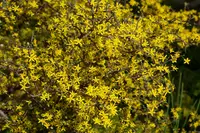
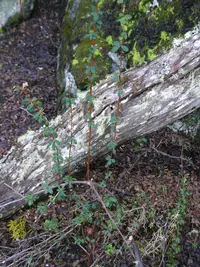
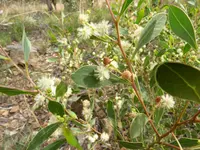
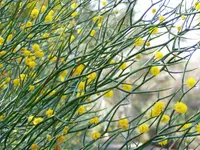
Leafless rock wattle (Acacia aphylla) is a small, wiry shrub from Western Australia, valued for its blue-green, leafless stems and bright yellow spring flowers. It has a rigid, upright habit and forms a dense, twiggy clump that suits dry gardens and native or xeric plantings.

In nature it grows on rocky slopes and well-drained soils, where it copes with heat, drought, and nutrient-poor conditions. These traits make it relatively low-maintenance if planted in full sun and freely draining soil.

Understanding how to care for Leafless Rock Wattle starts with avoiding waterlogged positions and heavy shade, which quickly weaken the plant and increase disease risk.

Main Plant Requirements

Care Difficulty

Moderate Care

Light Preference

Full Sun

Water Requirements

Low Water

Temperature Preference

Warm Climate

Hardiness Zone

9–11

Soil Texture

Sandy, Loamy, Rocky

Soil pH

Slightly acidic (6.5–7.0), Neutral (7.0)

Soil Drainage

Well-drained

Fertilization

Minimal (feed rarely)

Get Personalized Care Plan

Scan your plant to receive care tips personalized for your specific plant

Available on iOS and Android

How to Care for the Leafless Rock Wattle

This species is a sun-loving Australian shrub that performs best in bright, open positions.

  • Provide full sun for 6–8 hours per day; an exposed, north- or west-facing site suits Leafless Rock Wattle in most mild, dry climates.
  • It tolerates light partial shade for 2–3 hours daily, but growth becomes looser and flowering may decline if shade increases.
  • In cooler regions, choose a spot with strong afternoon sun; in very hot inland areas, slight afternoon shade can reduce leaf scorch and stress.

This drought-adapted shrub prefers lean, fast-draining soils and infrequent deep watering once established.

  • Outdoors in the ground, water only when the top 5–8 cm of soil are completely dry and fine stems begin to lose some turgor, then soak the root zone thoroughly.
  • Use very free-draining, gritty soil so water moves through within seconds; waterlogged or compacted sites greatly increase risk of root rot.
  • Reduce or stop supplemental watering in cool, rainy seasons; resume cautious deep watering during extended hot, dry spells if the plant shows slowed recovery after heat.

This Western Australian species thrives in warm, dry climates and dislikes prolonged cold or damp conditions.

  • Ideal growth occurs around 65–85°F (18–29°C), with warm, low-humidity air encouraging firm stems and flowering.
  • Mature plants tolerate brief dips to about 25°F (−4°C), but repeated freezes below 28°F (−2°C) or hard frosts can damage young growth and tips.
  • Heat tolerance is high up to 100–105°F (38–41°C) if soil drains very well; avoid planting in frost pockets or areas with lingering winter moisture.

This arid-climate shrub tolerates a wide humidity range and rarely needs special humidity management indoors or outdoors.

  • Target 30–50% humidity, which matches the dry, open habitats of Leafless Rock Wattle.
  • Dry indoor air is usually acceptable; avoid pairing with constant high-humidity plants like tropicals in enclosed cabinets.
  • Watch for humidity stress as tip dieback and fine twig shriveling rather than leaf wilt, since this species is leafless.

Acacia aphylla prefers very free-draining, mineral soils that mimic its rocky, low-organic native habitat.

  • Use a gritty mix such as 50–60% coarse sand or fine gravel with 40–50% sandy loam or cactus mix to prevent waterlogging.
  • Ensure sharp drainage; water should pass through the container within seconds rather than pooling on the surface.
  • Aim for slightly acidic to neutral pH around 6.0–7.2, avoiding strongly acidic peat-heavy substrates.
  • Avoid dense, clay-rich, or highly organic mixes that stay wet, which promote root rot and poor aeration.

This species can be grown in containers if the setup prioritizes drainage and root stability.

  • Choose a tall, heavy container or add weight at the base to prevent tipping from the stiff, upright stems in windy spots.
  • Use a pot material like unglazed clay to allow side evaporation, which helps keep the mineral-rich mix dry between waterings.
  • Raise the pot on feet or grids so drainage holes remain clear and excess water escapes rapidly after rain or irrigation.

This nutrient-efficient Australian shrub needs very light feeding in cultivation and none in poor native-type soils, so focus on restraint when caring for Leafless Rock Wattle.

  • In containers or enriched beds, apply a low-phosphorus, balanced NPK or native-plant slow-release fertilizer at 1/2 strength in early spring.
  • Feed once more in mid-summer only if growth is pale or weak; avoid high-phosphorus lawn or bloom boosters.
  • During winter or dry dormancy, skip feeding entirely to prevent soft, frost-prone growth and root burn.
  • On sandy outdoor sites, a thin top-dressing of well-aged, low-nutrient compost in spring is usually sufficient.

Pruning Acacia aphylla is usually light and focused on safety and structure rather than shaping.

  • Best time is late winter to early spring, just before active growth begins.
  • Use clean, sharp bypass pruners to remove dead, diseased, or storm-damaged stems at their base.
  • Thin a few crowded or crossing branches to improve air flow and maintain an open, upright habit.
  • Avoid heavy cutting into older wood, which can stress this sparsely leafy, twiggy species.

This species is most successful when transplanted young and then left largely undisturbed in its final position.

  • Transplant in late winter to early spring when temperatures are mild and soil is workable.
  • Look for roots circling the pot, drainage holes packed with roots, or stalled growth as signs a container plant needs a larger space.
  • Plan on moving container-grown plants only every 2–3 years, stepping up 1 pot size at a time to limit stress.
  • Minimize root disturbance by sliding the root ball out intact, teasing only tight circling roots, watering well, and shading for 3–5 days after planting.

Propagation of Acacia aphylla is generally done from seed, which suits its natural life cycle in fire-prone habitats.

  • Collect mature, hard seed in late summer to early autumn and store dry until sowing.
  • Before sowing, nick the seed coat or pour just-boiled water over seeds, soak 12–24 hours to break dormancy.
  • Sow in a free-draining, low-phosphorus mix, keep at 65–75°F, and maintain lightly moist, not wet, conditions.
  • Provide bright light and good air movement for seedlings, transplanting carefully once roots hold the mix together.

This drought-adapted shrub prefers mild climates and has limited frost tolerance, so winter care matters in cooler regions.

  • Hardy only to light frosts; brief drops around 25–28°F may be tolerated if soil is well-drained.
  • Apply a light gravel or coarse sand mulch around the root zone to improve drainage rather than retain excess moisture.
  • In colder zones or containers, move plants under cover or into a bright, frost-free space for winter.
  • Avoid winter watering on cold, wet days; allow the root zone to dry slightly between waterings to reduce rot risk.

Care Tips

Support young stems

Install low, discreet stakes or a simple wire frame for the first 1–2 years to prevent wind damage to the upright, leafless stems while the root system establishes.

Encourage bushy shape

Lightly tip-pinch soft new shoots in late winter or very early spring to promote branching and a denser, more compact habit, rather than a sparse, open form.

Maintain weed buffer

Keep a 20–30 cm weed-free zone around the base using gravel or coarse mulch so the plant does not compete for moisture and nutrients with aggressive grasses or groundcovers.

Optimize drainage slope

When possible, plant on a slight mound or on a gentle slope and dress the surface with coarse gravel to shed excess water away from the crown and reduce the risk of root rot.

Plan for seed pods

After flowering, monitor pod development and either collect mature pods for propagation or remove them promptly if self-seeding is not desired, which also helps focus resources on overall plant vigor when growing Leafless Rock Wattle.

Common Pests and Diseases

Scale insects

These insects sometimes settle along young green stems and branch joints, sucking sap and causing yellowing, stunted growth, and sticky honeydew that can support sooty mold. This pest is more likely when plants are grown in sheltered gardens or as container specimens with limited air movement.

Solution

Prune out heavily infested twig sections and dispose of them, then wipe remaining stems with a cloth dipped in insecticidal soap or a light horticultural oil, making sure to coat all sides of the slender branches. Improving sun exposure and airflow around the shrub helps discourage reinfestation and supports long‑term Acacia aphylla plant care in drier, open conditions that suit this species.

Myrtle rust

This disease, caused by the fungus Austropuccinia psidii, has occasionally been recorded on Acacia species in Australian plantings and can produce yellow pustules and leaf distortion on nearby Myrtaceae that share the site. Symptoms include reduced vigor and general stress to planted communities, which can indirectly weaken nearby Leafless Rock Wattle plants.

Solution

Remove and bag any obviously rust‑infected myrtle relatives growing in close association, and avoid overhead watering to reduce leaf wetness periods. In regions where myrtle rust is established, monitor surrounding host plants regularly and follow local extension service guidance on resistant companion species and any approved fungicide use to maintain a healthier planting environment for A. aphylla.

Stem canker

This disease usually enters through pruning wounds or mechanical damage, causing sunken, discolored patches on stems that may girdle branches and lead to dieback in older or stressed plants. Symptoms include dead twig tips and occasional cracking along the affected area of the woody stem.

Solution

Cut back affected stems to healthy green tissue using sterilized tools, disposing of prunings away from the planting area. Avoid wounding the smooth blue‑green stems, prune only in dry weather, and maintain a well‑drained, low‑irrigation site so plants remain vigorous and better able to wall off minor infections.

Interesting Facts

Leafless photosynthetic stems

This species lacks true leaves; instead, its thin, blue-green branchlets carry out photosynthesis, an adaptation that reduces water loss in its arid habitat.

Granite outcrop specialist

Leafless rock wattle is naturally restricted to ironstone and granite outcrops in the Wheatbelt region of Western Australia, where it grows in shallow, stony soils that many other shrubs cannot tolerate.

Specialist nitrogen fixer

Like many legumes, it forms symbiotic nodules on its roots that house nitrogen-fixing bacteria, allowing it to thrive in nutrient-poor soils and contribute to local soil fertility.

Botan icon

Did you know?

Acacia aphylla was once listed as endangered due to its highly restricted natural range and small, fragmented populations, and it remains a conservation priority species in Western Australia, with targeted habitat protection and recovery programs in place.

FAQs about Leafless Rock Wattle

This species is best suited to outdoor cultivation in mild, dry climates. It prefers full sun, excellent drainage, and room for its root system. Indoors, light and airflow are usually insufficient, so long-term performance is poor.

Grow Healthy Plants with Botan Care

Keep your plants happy and healthy with plant identification, disease detection, and easy care guidance.

Botan plant care app — identify plants on mobile

Explore More Plants