Install sturdy supports
Set up a permanent trellis or wire system before the canes reach 30–60 cm so new growth can be tied in gently with soft ties and kept upright for better airflow and easier harvesting.

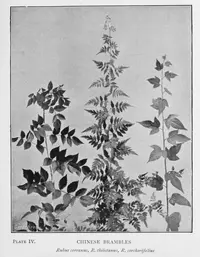
Rubus corchorifolius, often called Asiatic raspberry or Chinese raspberry, is a deciduous shrub in the rose family grown for its edible red fruits. It typically forms arching, thorny canes with lobed, slightly rough leaves and small white to pale pink flowers.
This species is native to East Asia, especially China, Korea, and Japan, where it occurs in forest edges, thickets, and open hillsides. It adapts well to temperate climates and is generally hardy, making it moderately easy to grow if given sun and well-drained soil.
Understanding how to care for Rubus corchorifolius mainly involves managing its vigorous growth and thorns while providing enough light and moisture for good flowering and fruiting.

Care Difficulty
Easy Care

Light Preference
Full Sun

Water Requirements
Moderate Water

Temperature Preference
Cold Hardy

Hardiness Zone
6–9

Soil Texture
Sandy, Loamy, Organic-rich

Soil pH
Acidic (5.5–6.5), Slightly acidic (6.5–7.0)

Soil Drainage
Moist but well-drained

Fertilization
Minimal (feed rarely)
Scan your plant to receive care tips personalized for your specific plant
Available on iOS and Android
This shrub fruits best in sites with strong light but some protection from harsh extremes.
This bramble prefers consistently moist but not waterlogged soil, with slight drying between waterings.
This hardy shrub tolerates a wide temperature range but performs best in moderate conditions.
This shrub tolerates a wide humidity range and rarely needs special humidity management outdoors.
Rubus corchorifolius performs best in moderately fertile, loose mineral soil with reliable drainage.
This species can be grown in large outdoor containers if given enough root volume and structural support.
This shrub fruits well in average garden soil, so Rubus corchorifolius needs only modest feeding in most home gardens.
Thoughtful pruning keeps Rubus corchorifolius productive, manageable, and healthier.
This species is usually grown in the ground, so management focuses on transplanting young plants rather than frequent repotting.
Rubus corchorifolius is commonly propagated vegetatively to maintain desirable fruiting traits.
This bramble is generally hardy in temperate climates and usually needs only light winter preparation outdoors.

Plant Health Check
Not sure what's wrong with your plant? Check your plant's health inside the app.
This species is native to East Asia, especially China, Korea, and Japan, where it commonly grows in forest margins, thickets, and disturbed slopes rather than deep forest interiors.
Unlike many Rubus species with divided or highly lobed leaves, it often has simple, broadly ovate to heart-shaped leaves with a textured surface that makes the shrub easy to distinguish in the field.
The plant produces small, bright red aggregate fruits that are eaten fresh or processed into jams and local foods in parts of East Asia, although they are not widely commercialized internationally.

In several regions of China and Korea, this species has been traditionally managed in semi-wild hedgerows and field edges, where its spiny, dense growth both protects boundaries and provides a seasonal source of berries for local use.
This bramble spreads by arching canes and root suckers, forming thickets if unmanaged. In fertile soil it can expand quickly. Regular pruning, mowing around the patch, and root barrier edging help keep it within bounds.
Keep your plants happy and healthy with plant identification, disease detection, and easy care guidance.