South Wales wattle Care (Acacia parramattensis)

Also known as: Parramatta Green Wattle
South Wales wattle

About South Wales wattle

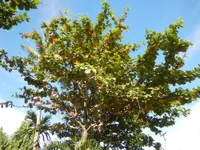
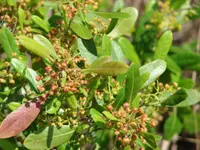
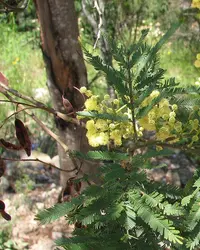
South Wales wattle (Acacia parramattensis) is a fast-growing evergreen tree or large shrub from eastern Australia. It usually has a light, open canopy with fine, feathery foliage. In season it carries many small, pale yellow flower clusters that give a soft, scented display. The bark is generally smooth on young trees and darkens as it matures.

This species naturally occurs in coastal and tableland areas of New South Wales and Queensland, often along waterways and forest edges. It is considered relatively easy to grow where winters are mild, especially in well-drained soil with good light. Those planning to care for South Wales wattle should note its quick growth, potential size, and preference for low to moderate maintenance once established.

Main Plant Requirements

Care Difficulty

Easy Care

Light Preference

Full Sun

Water Requirements

Low Water

Temperature Preference

Warm Climate

Hardiness Zone

9–11

Soil Texture

Sandy, Loamy, Rocky

Soil pH

Acidic (5.5–6.5), Slightly acidic (6.5–7.0)

Soil Drainage

Well-drained

Fertilization

Minimal (feed rarely)

Get Personalized Care Plan

Scan your plant to receive care tips personalized for your specific plant

Available on iOS and Android

How to Care for the South Wales wattle

Acacia parramattensis prefers bright, open conditions similar to its native woodland edges.

  • Provide 6–8 hours of direct sun daily, with morning sun and light afternoon shade in hotter regions to reduce leaf scorch.
  • Tolerates light or dappled shade for part of the day, but South Wales wattle becomes sparse and lanky if it receives less than about 4 hours of direct sun.
  • In summer, young plants benefit from temporary shade cloth during heatwaves; in winter, avoid dense shade from buildings or evergreen trees.

This species is drought-tolerant once established and prefers infrequent, deep watering.

  • Water when the top 3–5 cm of soil feels dry, soaking the root zone thoroughly and then allowing the soil to drain completely.
  • During the first 1–2 growing seasons, water more often in hot, dry weather; reduce frequency in cool or rainy periods as Acacia parramattensis dislikes waterlogged soil.
  • Yellowing, soft foliage and persistently wet soil indicate overwatering, while dull, curling leaflets and very dry, dusty soil signal underwatering.

This wattle grows best in mild, temperate climates with limited frost exposure.

  • Optimal growth occurs around 60–80°F (16–27°C), with steady extension growth and flowering in these conditions.
  • Mature plants typically survive short drops to about 25°F (−4°C), but young specimens are damaged below 28°F (−2°C) and benefit from frost protection.
  • In hot spells above 95°F (35°C), provide mulch and ensure soil does not fully dry, as combined heat and drought can scorch foliage and slow growth.

This species tolerates typical indoor humidity but benefits from moderate, stable levels when young.

  • Aim for 40–60% humidity, which suits most homes and avoids excess leaf stress.
  • Dry air may cause slight leaf edge browning or faster leaf drop, especially on new growth.
  • Increase humidity locally with a pebble tray or by grouping plants, rather than misting, which adds only brief surface moisture.

Acacia parramattensis prefers freely draining, slightly acidic to neutral soil that does not stay wet.

  • Use a sandy or loamy base mixed with 20–30% coarse sand or fine gravel to keep structure open and fast-draining.
  • Maintain pH around 6.0–7.0; avoid strongly alkaline substrates that can limit nutrient availability and cause chlorosis.
  • For containers, blend standard potting mix with coarse sand and small bark chips to improve aeration and root oxygen access.
  • Avoid heavy clay, compacted, or waterlogged conditions, which increase root rot risk and reduce long-term vigor.

This species can be grown in containers for several years, mainly as a juvenile or compact specimen.

  • Choose a deep, heavy pot to anchor the developing woody root system and prevent tipping in wind or on balconies.
  • Select a mineral-rich, fast-draining mix so water moves quickly through the profile, preventing saturated conditions at the pot base.
  • Position the container where heat build-up around the dark pot is limited, reducing root-zone overheating during hot weather.

This species grows well in low-nutrient soils, so South Wales wattle usually needs only light, targeted feeding in containers or very poor ground.

  • Use a balanced slow-release fertilizer or well-aged compost in early spring for potted or struggling plants.
  • Feed once at the start of the growing season; avoid repeated applications in normal garden soil.
  • Apply at 1⁄2 strength of label rate for young trees to limit overly soft, weak growth.
  • Do not fertilize in late fall or winter, as this can push tender growth vulnerable to cold and drought.

Pruning Acacia parramattensis focuses on light shaping and removal of problem wood rather than heavy cutting.

  • Carry out main pruning in late winter to early spring, before active growth starts.
  • Remove dead, diseased, crossing, or storm-damaged branches with clean, sharp bypass pruners or a handsaw.
  • Thin congested inner branches lightly to improve airflow and maintain a balanced, open crown.
  • Avoid severe heading cuts; instead shorten long shoots to lateral branches to preserve natural form and flowering.

This acacia is usually grown in the ground, so attention focuses on careful transplanting of young trees rather than frequent repotting.

  • Transplant in late winter to early spring when soil is workable and temperatures are mild.
  • Look for root binding in containers, such as roots circling the pot or slow, nutrient-sufficient growth.
  • Move up only 1 pot size or into a well-drained garden site, keeping the root ball as intact as possible.
  • Water thoroughly after planting, then keep evenly moist for several weeks to reduce transplant shock and support root establishment.

Propagation of this species is most often done from seed, with pre-treatment to improve germination.

  • Collect ripe seed pods, dry them, then store cool and dry until sowing in late winter or early spring.
  • Scarify seeds by nicking the coat or pouring near-boiling water over them, then soaking for 12–24 hours.
  • Sow in a free-draining, low-fertility mix, just covering the seed, and keep at 65–75°F with consistent moisture.
  • Provide bright, indirect light and good ventilation; transplant seedlings carefully once roots hold the mix and true leaves appear.

Mature plants tolerate light frosts but young or container-grown trees benefit from simple winter protection in colder areas.

  • In regions below about 20–25°F, site selection and shelter from cold winds become important for long-term survival.
  • Apply a 5–8 cm layer of coarse organic mulch around the root zone, keeping it slightly away from the trunk.
  • Move container plants to an unheated greenhouse, bright garage, or sheltered wall to moderate temperature swings.
  • Avoid heavy winter watering; keep soil barely moist to limit root rot in cool, low-evaporation conditions.

Care Tips

Early form training

In the first 2–3 years, select a single strong leader and remove competing upright stems to develop a stable trunk, which greatly reduces wind damage risk as the tree matures.

Wind‑hardening young trees

Stake only on the windward side and use a flexible tie, then gradually loosen and remove the stake within 12–18 months so the trunk can strengthen naturally in moving air.

Root zone protection

Keep a 30–60 cm grass‑free mulch ring around the base, but always leave a 5–8 cm gap from the trunk to protect surface feeder roots and reduce moisture competition without causing rot.

Managing self‑seeding

After flowering, remove or cut back developing seed pods if unwanted seedlings are a concern, and promptly pull any volunteers before their roots establish deeply.

Storm and snow precautions

Before forecast heavy snow or ice, lightly shake or brush accumulating weight from branches and remove weak or rubbing limbs in late winter to lower breakage risk when caring for South Wales wattle.

Common Pests and Diseases

Wattle web-covering psyllid

This pest forms white, web-like covers on young stems and foliage while sucking sap, which can cause distortion, yellowing, and tip dieback. Heavy infestations reduce vigor and make plants more prone to secondary problems.

Solution

Prune and dispose of heavily infested twigs, then hose down foliage with a strong jet of water to dislodge nymphs and webs. For repeated problems, use a horticultural oil or insecticidal soap directed under the webbing, and encourage beneficial insects such as lady beetles by avoiding broad-spectrum insecticides nearby.

Acacia rust

This disease produces yellow to orange pustules on leaves and young stems, sometimes leading to leaf distortion, premature leaf drop, and reduced flowering. Symptoms include more severe damage on stressed or crowded plants with poor air movement.

Solution

Remove and destroy infected leaves and twigs, and thin nearby vegetation to improve airflow around the canopy. In areas where rust recurs, keep the plant well watered during dry spells, avoid overhead irrigation, and consider a preventive copper or sulfur-based fungicide during warm, humid periods if the plant has a history of infection.

Armillaria root disease

This disease is caused by soil-borne fungi that attack roots and lower stems, leading to progressive decline, sparse foliage, and branch dieback. Symptoms include sudden collapse in hot, dry weather after a period of slow yellowing and poor growth.

Solution

Remove and destroy severely affected plants including as much root material as practical, and avoid replanting another acacia in the exact spot. Improve drainage, avoid overwatering, and plant future trees into raised or well-drained beds, as healthy, unstressed plants are more tolerant of low background levels of Armillaria.

Borer beetle larvae

These insects tunnel into stems and branches, causing frass (sawdust-like material), small exit holes, and localized dieback above the damaged section. Weakened branches may snap in wind, and repeated attacks can shorten the life of the tree.

Solution

Prune out and destroy affected branches well below visible tunneling and seal large pruning cuts cleanly to reduce entry points. Keep the tree vigorous with appropriate watering and avoid bark injuries; in high-risk areas, monitor for fresh frass in late spring–summer and remove infested material promptly to break the life cycle.

Scale insects

These insects appear as small, immobile bumps on stems and leaf stalks and feed on sap, which can cause yellowing, leaf drop, and stunted growth. Honeydew excreted by the insects often leads to black sooty mold on leaves and nearby surfaces.

Solution

Wipe or gently scrub accessible stems with a cloth or soft brush dipped in soapy water, then rinse foliage with clean water. For larger plants with persistent infestations, apply horticultural oil to thoroughly coat stems and the undersides of leaves, repeating as needed according to label directions, and reduce plant stress through correct watering as part of broader Acacia parramattensis plant care.

Interesting Facts

Parramatta River origins

This wattle is naturally concentrated around the Parramatta River and nearby areas of New South Wales, where it forms part of open forest and woodland communities on well-drained sandstone and shale-derived soils.

Early fast growth

The species is considered a quick-growing pioneer tree, often establishing rapidly on disturbed or cleared land and helping to stabilize soil and provide early shade and habitat for other plants and animals.

Fine bipinnate foliage

Unlike many wattles that develop simple phyllodes, this species retains delicate bipinnate leaves into maturity, giving the tree a feathery, soft-textured canopy even as it reaches full size.

Botan icon

Did you know?

This species is valued in ecological restoration projects in eastern Australia because its root nodules host nitrogen-fixing bacteria, which enrich the soil and can improve growing conditions for nearby native plants over time.

FAQs about South Wales wattle

This species grows quickly, often adding 30–90 cm per year in suitable conditions. Growth is fastest in the first 5–10 years, especially in well-drained soil with adequate moisture and low competition from weeds or grass.

Grow Healthy Plants with Botan Care

Keep your plants happy and healthy with plant identification, disease detection, and easy care guidance.

Botan plant care app — identify plants on mobile

Explore More Plants