yesterday-today-tomorrow Care (Brunfelsia latifolia)

Also known as: kiss me quick
yesterday-today-tomorrow

About yesterday-today-tomorrow

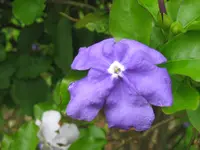
Yesterday-today-tomorrow (Brunfelsia latifolia) is a flowering shrub known for its changing blooms that open purple, fade to lavender, then turn white over several days. This color shift gives the plant its common name.

It forms a dense, rounded shrub with glossy green leaves and fragrant flowers, typically grown in warm, frost-free gardens or containers. In the wild, it occurs in subtropical and tropical regions of South America.

The plant prefers bright light, moderate moisture, and well-drained, slightly acidic soil, and it can be somewhat demanding outside suitable climates. Understanding how to care for yesterday-today-tomorrow helps keep it blooming and healthy over many seasons.

Main Plant Requirements

Care Difficulty

Moderate Care

Light Preference

Partial Shade

Water Requirements

Regular Water

Temperature Preference

Tropical / Frost Sensitive

Hardiness Zone

10–11

Soil Texture

Loamy, Sandy, Organic-rich

Soil pH

Acidic (5.5–6.5), Slightly acidic (6.5–7.0)

Soil Drainage

Moist but well-drained

Fertilization

Light (every 4–6 weeks)

Get Personalized Care Plan

Scan your plant to receive care tips personalized for your specific plant

Available on iOS and Android

How to Care for the yesterday-today-tomorrow

This shrub prefers bright, gentle light to form abundant, well-colored blooms.

  • Provide 4–6 hours of morning sun with light afternoon shade; east or southeast exposures suit yesterday-today-tomorrow best in most climates.
  • In hot regions, protect from harsh sun between 11 a.m. and 4 p.m. using tree shade, an overhang, or dappled light to prevent leaf scorch and bud drop.
  • If stems stretch, leaves pale, or flowering declines, increase light by moving it to a brighter spot or thinning nearby shade plants.

Watering should keep the root zone evenly moist but never saturated.

  • Before watering Brunfelsia latifolia, check the soil and wait until the top 2–4 cm (about 1 in) feels dry to the touch, then water slowly at the base.
  • Use a free-draining soil and avoid letting the plant stand in water; yellowing leaves, soft stems, or a sour smell indicate overwatering and possible root rot.
  • In spring and summer, soil may dry faster and need more frequent checks, while in cooler months growth slows and watering intervals can be extended.

Stable, mild temperatures support reliable growth and flowering.

  • Ideal growing range is 65–80°F (18–27°C); flowering and overall vigor decline if kept much cooler or hotter for long periods.
  • This shrub tolerates brief dips to about 40°F (4°C) but is damaged by frost; protect from freezing nights with covers or by growing in a sheltered microclimate.
  • In hot summers above 90°F (32°C), provide afternoon shade and mulch the root zone to moderate soil temperature and reduce heat stress.

This shrub prefers moderately high humidity to flower and leaf well.

  • Aim for 50–70% humidity, as very dry air reduces bud formation and can brown leaf edges.
  • In centrally heated homes, monitor for curled, crispy leaf tips as a sign of low-humidity stress in yesterday-today-tomorrow.
  • Increase humidity with a pebble tray under the pot or a nearby humidifier rather than frequent misting, which can promote leaf disease.

Brunfelsia latifolia needs a moist, aerated, slightly acidic substrate that drains freely.

  • Use a loose, loamy mix such as 2 parts peat- or coir-based potting mix, 1 part compost, and 1 part perlite or fine bark.
  • Target pH 5.5–6.5; add pine bark fines or peat moss to lower pH if water or native soil is alkaline.
  • Ensure rapid drainage by avoiding heavy clay and by raising containers or beds so water never stands around the roots.
  • Improve aeration by blending in coarse perlite or small bark chips, and avoid compacting the mix when filling containers or planting holes.

This species adapts well to container growing when given stable moisture and room for its roots.

  • Choose a deep, heavy pot to support the shrub’s woody, top-heavy canopy and reduce tipping in wind.
  • Select a container 1–2 sizes wider than the root ball to allow root spread without leaving cold, soggy voids of unused mix.
  • Favor thick-walled terracotta or similarly porous materials in rainy climates to help excess moisture evaporate between waterings.

This shrub responds well to moderate, consistent feeding during the warm growing season for reliable blooming.

  • Use a balanced, slow-release granular fertilizer (around 10-10-10) or well-aged compost mixed into the topsoil in spring for yesterday-today-tomorrow.
  • Feed every 6–8 weeks during active growth, following label rates and avoiding heavy applications that can burn roots.
  • For liquid products, apply at half-strength to moist soil to reduce salt stress and leaf tip burn.
  • Stop or greatly reduce fertilizing in fall and winter when growth slows, resuming only once new spring growth appears.

Thoughtful pruning keeps Brunfelsia latifolia compact, healthy, and flowering well.

  • Carry out main pruning right after the main flowering flush, so new shoots have time to set next season’s buds.
  • Remove dead, diseased, or storm-damaged wood first, cutting back to healthy tissue with clean, sharp hand pruners.
  • Thin out crossing and crowded interior stems to improve light penetration and air flow, reducing fungal problems.
  • Lightly shorten overly long shoots to shape the shrub, maintaining a rounded outline without cutting back into very old, bare wood.

Brunfelsia latifolia adapts to both containers and garden beds but dislikes frequent root disturbance.

  • Repot or transplant in late winter to early spring when growth is just starting and temperatures are mild.
  • Look for roots circling the pot, pushing out of drainage holes, or a plant drying out quickly as signs it needs a larger container.
  • Shift into a pot only 1–2 sizes larger, using a rich, well-drained mix, and keep the root ball level with the new soil surface.
  • Water thoroughly after moving, shade from intense sun for 3–5 days, and avoid heavy pruning at the same time to limit stress.

Brunfelsia latifolia is most commonly propagated from semi-ripe stem cuttings under warm, humid conditions.

  • Take 8–12 cm semi-ripe cuttings in late spring or summer from non-flowering shoots with healthy leaves.
  • Remove lower leaves, dip the cut end in rooting hormone, and insert into a free-draining mix of perlite and peat or coco coir.
  • Maintain bottom warmth around 70–75°F, high humidity, and bright, indirect light to support steady callus and root formation.
  • Seed propagation is possible but slower; sow fresh seed in warm, lightly covered trays and keep evenly moist until germination.

This subtropical shrub is frost sensitive and requires protection in regions with cold winters.

  • In USDA zones colder than 9, grow in containers and move plants indoors or into a greenhouse before temperatures drop near 32°F.
  • For in-ground plants in mild climates, add a 5–8 cm mulch layer around the root zone, keeping it slightly away from the stem.
  • Use frost cloths or breathable covers during brief cold snaps to shield foliage and young stems from freezing damage.
  • Reduce watering in winter, keeping soil just barely moist, especially for indoor plants in cooler, lower-light conditions.

Care Tips

Support woody stems

Install a short, discreet stake or small shrub ring while the plant is young to keep the main stems upright and prevent wind damage as growth becomes woody and top-heavy.

Post-bloom shaping

Right after the main flowering flush, selectively shorten only the longest stems by 1/3 to maintain a compact, branching framework without removing too many of next season’s flower buds.

Root-zone mulching

Apply a 5–8 cm layer of fine bark or leaf mold over the root zone, keeping it a few cm away from the trunk, to stabilize soil temperature and reduce surface root stress in hot or fluctuating conditions.

Chlorosis monitoring

If new leaves appear pale with green veins, especially in alkaline soils, use a soil test and apply a chelated iron drench or foliar spray to correct iron chlorosis before growth slows.

Cool-night flowering boost

When growing yesterday-today-tomorrow in mild climates, position the plant where it receives slightly cooler nights (5–10°F lower than daytime) in late winter to encourage stronger bud set and a heavier spring bloom.

Common Pests and Diseases

Brunfelsia wilt

This disease causes sudden wilting, yellowing, and dieback of stems, often starting on one side of the plant, while roots may appear relatively healthy at first. Symptoms include progressive branch death and poor recovery even after watering.

Solution

Remove and destroy affected branches promptly, disinfect pruning tools between cuts, and avoid overhead watering to keep stems and lower foliage dry. Improve soil drainage, keep mulch away from the crown, and in severe or recurrent cases replace heavily affected plants and avoid replanting Brunfelsia in the same spot for several years.

Brunfelsia leaf spot

This disease produces small dark brown to black spots on leaves that may enlarge, merge, and cause premature leaf drop, especially in warm, humid conditions. Symptoms include a thinning canopy and spotted leaves that look scorched at the tips or edges.

Solution

Prune and destroy heavily spotted leaves and any dense interior growth to improve airflow, then water at the soil level rather than over the foliage. In humid climates, apply a copper-based or chlorothalonil fungicide according to label directions and maintain good spacing around plants to reduce leaf wetness duration as part of Brunfelsia latifolia plant care.

snout weevils

These insects chew notches in leaves and can tunnel into stems or roots, leading to stunted growth and branch dieback. This pest often hides during the day and feeds at night, leaving irregular damage along leaf edges.

Solution

Hand-pick adults in the evening with a flashlight and destroy them, and inspect stems and root zone for larvae when repotting or planting. Reduce nearby debris and leaf litter, use sticky bands or traps on stems, and where populations are high apply a targeted soil drench with an appropriate systemic insecticide or beneficial nematodes, following label instructions carefully.

Brunfelsia mosaic

This disease produces mottled, yellow-green patterns on leaves, distorted new growth, and reduced flowering. Symptoms include uneven coloration and smaller, misshapen leaves on affected shoots.

Solution

Remove and discard symptomatic shoots as soon as they appear and avoid using affected plants for cuttings or propagation. Control sap-sucking insects such as aphids that spread viruses, sterilize tools between plants, and if the entire shrub is badly affected, remove and dispose of it to prevent further spread.

spider mites

These pests cause fine stippling, bronzing, and dulling of leaves, often with delicate webbing on the undersides, especially in hot, dry conditions. Symptoms include leaf drop and an overall dusty, tired appearance of the foliage.

Solution

Spray foliage thoroughly with a strong stream of water, focusing on leaf undersides, and increase humidity around the plant while avoiding prolonged leaf wetness overnight. For persistent infestations, apply insecticidal soap or horticultural oil at 7–10 day intervals, rotating products if needed, and reduce plant stress by maintaining consistent watering and avoiding excessive nitrogen fertilization.

Interesting Facts

Color-changing blossoms

The flowers open deep purple, fade to lavender, and then become white over 2–3 days, so all three colors often appear on the shrub at once, which inspired the common name yesterday-today-tomorrow.

Night-fragrant shrub

This species produces a stronger fragrance in the evening and at night, reflecting its adaptation to attract nocturnal pollinators such as moths rather than daytime insects.

Highly toxic tissues

All parts of the plant, especially the fruits and seeds, contain toxic alkaloids that can cause serious poisoning in pets and livestock if ingested, so it should be planted where animals cannot easily chew it.

Botan icon

Did you know?

Brunfelsia latifolia is native to the understory of Atlantic coastal forests in southeastern Brazil, where it grows as a long-lived shrub or small tree in bright shade beneath taller canopy species, contributing to the layered structure typical of that biodiversity hotspot.

FAQs about yesterday-today-tomorrow

Lack of blooms usually comes from insufficient light, heavy pruning at the wrong time, or nutrient imbalance with too much nitrogen. Age also matters; young shrubs may need 2–3 years to flower reliably.

Grow Healthy Plants with Botan Care

Keep your plants happy and healthy with plant identification, disease detection, and easy care guidance.

Botan plant care app — identify plants on mobile

Explore More Plants