golden wattle Care (Acacia pycnantha)

Also known as: Broad-Leaved Wattle
golden wattle

About golden wattle

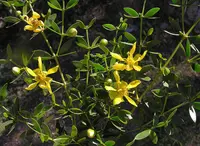
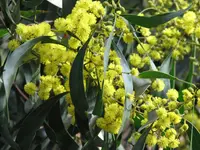
Golden wattle (Acacia pycnantha) is a fast-growing evergreen shrub or small tree from Australia, valued for its bright yellow, fragrant flower clusters. It typically forms a rounded crown with slender branches and narrow, sickle-shaped leaf-like phyllodes instead of true leaves.

In its native range it grows in open forests and woodlands, often on poor, dry soils, which makes it relatively tough and drought tolerant once established. It prefers full sun, well-drained soil, and benefits from protection from severe frost.

For gardeners, it is generally considered easy to grow where winters are mild, but it can become large and needs space. Understanding how to care for golden wattle helps keep it healthy and flowering well in suitable climates.

Main Plant Requirements

Care Difficulty

Moderate Care

Light Preference

Full Sun

Water Requirements

Low Water

Temperature Preference

Warm Climate

Hardiness Zone

9–11

Soil Texture

Sandy, Loamy, Rocky

Soil pH

Acidic (5.5–6.5), Slightly acidic (6.5–7.0)

Soil Drainage

Well-drained

Fertilization

Minimal (feed rarely)

Get Personalized Care Plan

Scan your plant to receive care tips personalized for your specific plant

Available on iOS and Android

How to Care for the golden wattle

Acacia pycnantha thrives in bright, open positions with strong sun exposure.

  • Provide 6–8 hours of direct sun daily; full sun is ideal for dense flowering, and golden wattle handles reflected heat once established.
  • Allow light afternoon shade in very hot, dry climates to limit leaf scorch, especially on young or recently transplanted plants.
  • Avoid deep shade; plants grown with less than 4 hours of direct sun become sparse, lean toward light, and flower poorly, especially in cooler seasons.

This species prefers infrequent, deep watering and dries out between waterings once established.

  • In the first 1–2 growing seasons, water when the top 5–8 cm of soil is dry, soaking the root zone deeply and then allowing the soil to drain fully.
  • Mature Acacia pycnantha in the ground usually needs only occasional deep watering during prolonged drought; sandy or sloping sites may need slightly more frequent checks.
  • Signs of overwatering include yellowing, soft foliage and poor growth; prolonged dryness shows as dull, curling phyllodes and twig dieback, especially in hot, windy weather.

This plant is adapted to warm, dry climates and tolerates moderate cold once established.

  • Optimal growth occurs around 65–80°F (18–27°C); flowering and new shoot development are strongest in mild spring and fall conditions.
  • Mature plants tolerate brief drops to about 23–25°F (-5 to -4°C), but repeated hard frosts can damage young tips and reduce flowering.
  • In hot spells above 95°F (35°C), ensure soil is not compacted so roots stay aerated; mulch helps buffer root temperature and reduces heat stress.

This species tolerates a wide humidity range and rarely needs special humidity control indoors or outdoors.

  • Target 30–50% humidity; typical indoor air suits golden wattle without modifications.
  • Dry air is usually tolerated, but very hot, forced-air heating can crisp new leaf tips and edges.
  • If air is extremely dry, group plants together or place the pot on a pebble tray with water below the pot base.

Acacia pycnantha prefers lean, well-drained, slightly acidic to neutral mineral soils.

  • Use a sandy or sandy-loam mix with plenty of grit to prevent waterlogging and compaction.
  • Aim for pH 6.0–7.0; avoid strongly alkaline mixes that can reduce nutrient availability and cause chlorosis.
  • Combine roughly 50% cactus mix, 30% coarse sand, and 20% fine gravel or perlite for strong drainage and aeration.
  • Avoid heavy clay, peat-heavy, or constantly wet substrates, which promote root rot and poor root oxygenation.

This species can be grown in containers for several years if managed as a small patio or feature specimen.

  • Choose a deep, heavy pot to balance the tall, woody top growth and reduce the risk of tipping in wind.
  • Use a fast-draining, gritty mix and elevate the container slightly so drainage holes never sit in standing water.
  • Position the container where wind exposure is reduced, since tall, container-grown plants develop a relatively shallow root system.

Acacia pycnantha grows well in lean soils and usually needs only light feeding in cultivation.

  • Use a low-rate, slow-release native plant fertilizer or well-aged compost, avoiding high-phosphorus products that stress Australian acacias.
  • Apply a light dressing once in early spring for potted or young golden wattle, keeping granules away from the stem base.
  • Dilute any liquid balanced NPK fertilizer to 25–50% strength and use only during active growth, every 6–8 weeks if growth is weak.
  • Skip feeding in winter or plant dormancy, and never fertilize drought-stressed or freshly transplanted plants.

Pruning Acacia pycnantha is mainly for safety, structure, and maintaining a tidy canopy.

  • Carry out pruning in late winter to early spring after major frosts, before strong new growth begins.
  • Remove dead, diseased, crossing, or storm-damaged branches first, cutting back to healthy wood without leaving stubs.
  • Thin crowded interior shoots to improve light penetration and air flow, which supports stronger flowering wood.
  • Use clean, sharp bypass pruners or loppers, disinfecting blades between cuts if disease is present.

This species is usually grown in the ground, so focus on careful transplanting of young plants rather than frequent repotting.

  • Shift container plants only when roots circle the pot, drainage slows, or growth stalls despite good care.
  • Transplant in late winter to early spring, choosing a slightly larger pot or a sunny, well-drained ground site.
  • Handle the root ball gently, loosen only the outer circling roots, and keep as much original soil around the roots as possible.
  • Water thoroughly after planting, then keep soil evenly moist but not waterlogged for 2–3 weeks to limit transplant shock.

New plants are most reliably produced from seed, as vegetative methods are less common for this species.

  • Collect ripe seed pods in late summer to autumn, then dry and extract the seeds for storage or sowing.
  • Scarify seeds by briefly pouring hot (not boiling) water over them, then soak 12–24 hours to break hard seed coats.
  • Sow in a well-drained, low-phosphorus mix, keeping temperatures around 65–75°F and light consistent for germination.
  • Keep the medium just moist, then pot seedlings individually once they have several true leaves and strong roots.

This species is only moderately frost tolerant and needs some winter attention in colder regions.

  • In USDA zones warmer than 9, established in-ground plants usually overwinter without special measures.
  • In cooler areas, grow Acacia pycnantha in large containers and move indoors or to a sheltered greenhouse before hard frosts.
  • Mulch the root zone with 5–8 cm of organic material, keeping it slightly away from the trunk to limit rot.
  • For young or marginal plants, use windbreaks or breathable frost cloth on very cold nights to reduce tissue damage.

Care Tips

Wind-hardening seedlings

Before planting young trees out, expose them to increasing airflow and light outdoors over 10–14 days to develop sturdy stems and reduce transplant shock.

Deep, infrequent staking

If staking is needed in windy sites, use 2–3 sturdy stakes set outside the root zone and attach the trunk with flexible ties, allowing slight movement so the tree develops a strong trunk and anchoring roots.

Minimal grass competition

Keep a 30–60 cm grass-free mulch ring around the base so roots do not compete with turf for moisture and nutrients, but keep mulch pulled back 5–8 cm from the trunk to prevent rot.

Encouraging habitat value

Position plants in small groups or staggered rows to create dense shelter for birds and beneficial insects, which also helps natural control of pests and enhances the ecological value when growing golden wattle.

Managing natural suckers

Inspect the base and nearby soil twice a year and cut off any unwanted basal shoots or suckers at their point of origin to maintain a single-trunk form and avoid a dense thicket.

Common Pests and Diseases

Wattle web-covering sawfly

This pest is a small sawfly larva that spins silk webbing over foliage while feeding, causing skeletonized or defoliated leaves on golden wattle. Symptoms include patches of thin, chewed leaf tissue and messy silken sheets binding leaves together.

Solution

Prune out and destroy heavily infested, webbed branches and any visible larvae. For lighter infestations, dislodge larvae and webs with a strong jet of water, then monitor new growth; if needed, apply a registered spinosad or Bacillus thuringiensis (Bt) product labeled for sawflies, following local golden wattle care instructions and all safety directions.

Gall wasps

These insects induce swollen, knot-like galls on stems and sometimes leaves as their larvae develop inside plant tissue. This can weaken shoots, distort growth, and in repeated infestations reduce flowering and vigor.

Solution

Prune and destroy galled stems during cool seasons before adult wasps emerge, cutting several cm below visible swelling. Maintain plant health with proper watering and spacing to reduce stress, and avoid moving infested plant material or prunings to new areas where gall wasps could spread.

Lerp psyllids

These insects feed on sap from leaves and create small, conical or shell-like coverings called lerps, often leading to leaf yellowing, distortion, and sticky honeydew that can attract sooty mold. Heavy infestations reduce vigor and may cause premature leaf drop.

Solution

Hose foliage periodically to knock off lerps and psyllids, focusing on the undersides of leaves. Encourage natural predators (such as lady beetles and lacewings), remove highly infested shoots, and if needed use a horticultural oil or insecticidal soap thoroughly on leaf surfaces, repeating according to label directions.

Armillaria root disease

This disease is caused by Armillaria fungi in the soil, leading to progressive decline, sparse foliage, dieback, and eventual plant death, especially in poorly drained or previously forested sites. Symptoms include white fungal sheets under the bark near the base and dark root decay.

Solution

Remove and destroy severely affected plants, including as much infected root material and nearby woody debris as possible. Replant in well-drained soil away from known Armillaria sites, avoid overwatering, and reduce stress on remaining plants by controlling competition and maintaining proper spacing for airflow.

Phytophthora dieback

This disease arises from soil-borne Phytophthora water molds that infect roots, causing poor growth, leaf yellowing, tip dieback, and sudden collapse in wet or compacted soils. Symptoms include root discoloration and plant wilting that does not improve with watering.

Solution

Improve drainage and avoid waterlogging by adjusting irrigation and, if possible, raising planting areas or using mounded beds. Remove severely affected plants and dispose of soil from around their root zones, restrict movement of contaminated soil and tools, and consider using a registered phosphite (phosphonate) treatment in high-risk areas under local guidelines.

Interesting Facts

Australia’s floral emblem

This species is officially recognized as the floral emblem of Australia and appears stylized in national symbols, awards, and government design elements.

Nitrogen-fixing pioneer

Its root nodules host symbiotic bacteria that fix atmospheric nitrogen, allowing the plant to enrich poor soils and often act as a pioneer species in degraded landscapes.

Fragrant winter blooms

In its native range, it produces masses of bright yellow, strongly scented flower heads in late winter to early spring, providing an important pollen source when few other plants bloom.

Botan icon

Did you know?

Golden wattle foliage is technically composed of phyllodes, which are flattened leaf stalks that function like leaves and are thought to reduce water loss and cope better with Australia’s seasonally dry, fire-prone environments.

FAQs about golden wattle

This species is generally fast-growing, often adding 30–100 cm per year once established, depending on climate, soil drainage, and water availability. Growth is quicker in mild, frost-free regions with low-maintenance, well-drained soils. Acacia pycnantha care focuses on avoiding waterlogged conditions.

Grow Healthy Plants with Botan Care

Keep your plants happy and healthy with plant identification, disease detection, and easy care guidance.

Botan plant care app — identify plants on mobile

Explore More Plants