Early structural training
In the first 3–5 years, select a single strong leader and remove competing stems or very low branches during the dormant season to build a stable, well-spaced framework that resists storm damage as the tree matures.

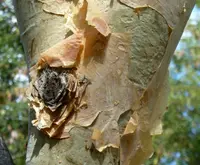
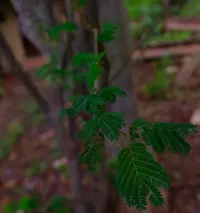
Albizia tanganyicensis is a small to medium deciduous tree in the legume family, valued mainly as a wild or landscape species rather than a common houseplant. It typically has a rounded crown, finely divided fern-like leaves, and delicate, fluffy flower clusters that give it a light, airy look.
This species is native to parts of East Africa, where it grows in dry woodlands and savanna-like habitats. It can be challenging to grow outside warm climates, so most interest focuses on conservation or specialist collections rather than routine home gardening.
Those wanting to care for Albizia tanganyicensis need warm conditions, full sun, and well-drained soil, along with enough space for its branching canopy over time.

Care Difficulty
Moderate Care

Light Preference
Full Sun

Water Requirements
Moderate Water

Temperature Preference
Warm Climate

Hardiness Zone
10–11

Soil Texture
Sandy, Loamy, Rocky

Soil pH
Slightly acidic (6.5–7.0), Neutral (7.0)

Soil Drainage
Well-drained

Fertilization
Minimal (feed rarely)
Scan your plant to receive care tips personalized for your specific plant
Available on iOS and Android
This species prefers bright outdoor exposure with protection from extreme midday sun.
Watering should support deep rooting while avoiding prolonged soil saturation.
This tree is adapted to warm climates with mild winters and distinct dry seasons.
This species tolerates a wide humidity range, so humidity management is usually not critical.
Albizia tanganyicensis prefers loose, well-drained mineral soil that does not stay waterlogged.
This species can be grown in containers for several years if the pot is chosen and managed carefully.
This species grows acceptably in lean soil, but moderate feeding improves vigor in young or container-grown Albizia tanganyicensis.
Thoughtful pruning keeps Albizia tanganyicensis structurally sound and maintains a balanced canopy.
This tree is usually grown in the ground, so focus on careful transplanting of young Albizia tanganyicensis rather than long-term container culture.
New Albizia tanganyicensis plants are most often raised from seed, with vegetative methods used less frequently.
Mature Albizia tanganyicensis in suitable climates needs limited winter attention, but young or marginally hardy plants benefit from basic protection.

Plant Health Check
Not sure what's wrong with your plant? Check your plant's health inside the app.
Albizia tanganyicensis is native to parts of East Africa, especially around the Lake Tanganyika region, where it grows in dry woodland and savanna-type habitats rather than in rainforest.
This species is noted for its pale, flaky bark that peels in irregular patches, a feature that helps botanists distinguish it from closely related Albizia species in the field.
In its native climate it behaves as a deciduous tree, shedding its bipinnate leaves during the dry season and flushing a new canopy with the onset of rains, which helps it conserve water in arid periods.
The flowers are rich in nectar and typically attract bees, butterflies, and other pollinating insects. Planting it in a sunny, open spot and avoiding broad-spectrum insecticides will support healthy pollinator activity around the tree.
Keep your plants happy and healthy with plant identification, disease detection, and easy care guidance.