Wind-hardening young plants
Expose young trees to gradually stronger wind by removing temporary windbreaks over 2–3 weeks before planting them in an open site, which encourages sturdier stems and better anchoring roots.

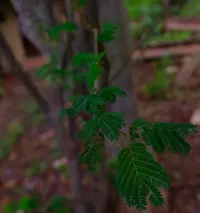
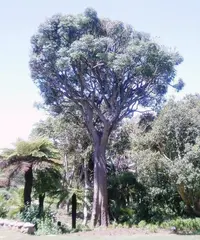
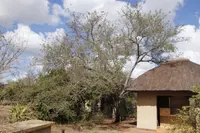
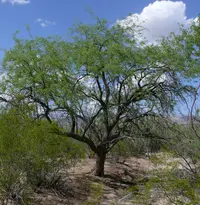
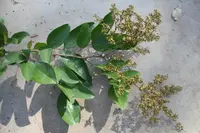
Mountain Albizia (Albizia brevifolia) is a small, often multi-stemmed tree or large shrub from arid and semi-arid regions of southern Africa. It belongs to the legume family and typically shows a light, open crown with fine, feathery leaflets.
Its foliage gives a soft, filtered shade, and the plant often develops a rugged, characterful trunk in older specimens. Creamy, brush-like flower clusters may appear in favorable conditions.
This species is adapted to dry climates and poor, rocky soils, which can make it relatively forgiving once established. Understanding how to care for Mountain Albizia mainly involves respecting its need for strong light, well-drained soil, and modest moisture.

Care Difficulty
Moderate Care

Light Preference
Full Sun

Water Requirements
Low Water

Temperature Preference
Warm Climate

Hardiness Zone
9–11

Soil Texture
Sandy, Loamy, Rocky

Soil pH
Slightly acidic (6.5–7.0), Neutral (7.0)

Soil Drainage
Well-drained

Fertilization
Minimal (feed rarely)
Scan your plant to receive care tips personalized for your specific plant
Available on iOS and Android
Albizia brevifolia thrives in bright, open sites with strong, but not extreme, sun exposure.
This drought-tolerant small tree prefers deep, infrequent watering once established.
This species is adapted to warm, dry climates with moderately cold winters.
This species tolerates a wide humidity range and rarely needs special humidity management indoors or outdoors.
Albizia brevifolia prefers dry, fast-draining, mineral-rich soil that mimics rocky, arid habitats.
This species can be grown in containers, mainly in its early years or where in-ground planting is not possible.
Albizia brevifolia is a light feeder that benefits from modest nutrition in poor or very sandy soils.
Pruning Albizia brevifolia is mainly done to maintain structure and remove problem wood rather than to control size.
This species is usually grown in the ground; focus on careful transplanting of young Albizia brevifolia rather than frequent repotting.
Propagation of Albizia brevifolia is usually done from seed, with cuttings used less often.
This small tree is relatively drought-tolerant but benefits from simple winter care in colder or exposed sites.

Plant Health Check
Not sure what's wrong with your plant? Check your plant's health inside the app.
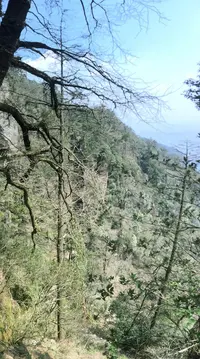
This species occurs naturally only in Cyprus, where it grows in dry, rocky habitats and low scrub on limestone slopes. Its restricted range makes it of particular interest for Mediterranean island biogeography, the study of how species evolve and spread on islands.
Compared with many Albizia species that become tall trees, Albizia brevifolia typically remains a small tree or large shrub with short internodes, the stem sections between leaves. This compact growth reflects adaptation to exposed, drought-prone sites with limited soil depth.
The species has notably small bipinnate leaves, divided into many tiny leaflets that reduce surface area. This leaf design helps limit water loss and is typical of woody plants specialized for hot, dry eastern Mediterranean climates.

Albizia brevifolia is considered a relict element of the eastern Mediterranean flora, meaning it represents a surviving lineage from earlier climatic periods and offers insight into how woodland and scrub communities persisted through past environmental changes in the region.
Lack of blooms often relates to insufficient sun, poor nutrition, or the plant being too young. Light pruning after flowering seasons, balanced low-nitrogen fertilizer, and avoiding heavy pruning in early spring usually restore normal flowering over time.
Keep your plants happy and healthy with plant identification, disease detection, and easy care guidance.