Early framework training
In the first 2–3 years, select 3–5 well-spaced main branches and lightly prune competitors to create an open, vase-shaped canopy that reduces future limb breakage and improves airflow.

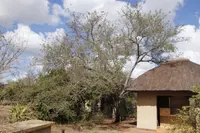
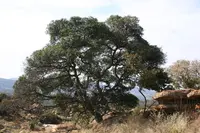
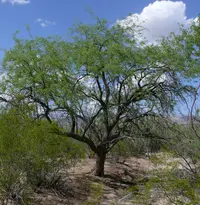
Albizia forbesii, commonly called broad-pod albizia, is a small to medium tree in the pea family, valued mainly in landscapes and restoration plantings. It typically forms a light, spreading canopy with fine, fern-like leaves and distinctive, flattened seed pods that give the common name broad-pod. The tree occurs naturally in parts of East Africa, where it grows in warm, seasonally dry habitats. It grows relatively fast but can be sensitive to frost and prolonged waterlogging, which slightly increases the challenge for beginners. In general, it prefers full sun, well-drained soil, and moderate moisture, and understanding these needs is central to how to care for Broad-Pod.

Care Difficulty
Moderate Care

Light Preference
Full Sun

Water Requirements
Moderate Water

Temperature Preference
Warm Climate

Hardiness Zone
10–11

Soil Texture
Sandy, Loamy, Clay

Soil pH
Slightly acidic (6.5–7.0), Neutral (7.0)

Soil Drainage
Well-drained

Fertilization
Minimal (feed rarely)
Scan your plant to receive care tips personalized for your specific plant
Available on iOS and Android
Albizia forbesii prefers bright, open conditions similar to its native woodland edges.
This species prefers evenly moist but not saturated soil once established in the landscape.
This small tree thrives in warm, frost-free to light-frost climates.
Albizia forbesii handles a wide humidity range but grows best with moderate ambient moisture.
Albizia forbesii prefers a loose, well-drained mineral soil that does not stay wet for long.
This species can be grown in containers when chosen mainly for juvenile size or temporary landscape use.
Albizia forbesii is a light feeder, so focus on modest, balanced nutrition rather than heavy fertilization for Broad-Pod.
Pruning Albizia forbesii helps maintain a stable framework and safe, open canopy.
Albizia forbesii is usually grown in the ground, so focus on careful transplanting of young trees rather than frequent repotting.
Albizia forbesii is most commonly propagated from seed, with cuttings used less often.
Albizia forbesii in mild, frost-free or light-frost climates usually needs only minimal winter care.

Plant Health Check
Not sure what's wrong with your plant? Check your plant's health inside the app.
This species is native to dry coastal and lowland forests of East Africa, especially Tanzania and nearby regions, where it forms part of open woodland rather than dense rainforest.
As a legume in the mimosoid group, it forms symbioses with root bacteria that fix atmospheric nitrogen, helping enrich nutrient-poor soils in its native habitats.
The species is characterized by relatively broad, flat seed pods compared with many related Albizia species, a feature reflected in the common name broad-pod or broad-podded albizia.
Lack of flowers usually comes from insufficient light, young age, or heavy pruning at the wrong time. Nutrient-imbalanced soil, especially too much nitrogen, can also reduce bud formation. Give it time, stable conditions, and moderate feeding.
Keep your plants happy and healthy with plant identification, disease detection, and easy care guidance.