Appalachian barren strawberry Care (Waldsteinia fragarioides)

Also known as: Barren Strawberry
Appalachian barren strawberry

About Appalachian barren strawberry

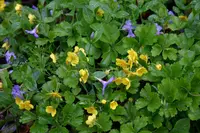
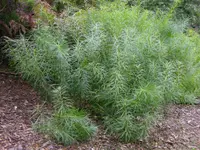
Appalachian barren strawberry (Waldsteinia fragarioides) is a low, mat-forming perennial grown mainly as an attractive groundcover. It is not a true strawberry, but its leaves and small yellow flowers give a similar look.

This species is native to eastern North America, where it carpets open woodlands, rocky slopes, and shaded banks. It spreads slowly by short runners, forming dense, tidy clumps that help suppress weeds.

The plant is generally easy to keep if its basic needs are met, which helps simplify how to care for Appalachian barren strawberry. It prefers light shade, consistent but not soggy moisture, and well-drained, humus-rich soil.

Main Plant Requirements

Care Difficulty

Easy Care

Light Preference

Partial Shade

Water Requirements

Moderate Water

Temperature Preference

Cold Hardy

Hardiness Zone

3–8

Soil Texture

Loamy, Sandy, Organic-rich

Soil pH

Acidic (5.5–6.5), Slightly acidic (6.5–7.0)

Soil Drainage

Moist but well-drained

Fertilization

Minimal (feed rarely)

Get Personalized Care Plan

Scan your plant to receive care tips personalized for your specific plant

Available on iOS and Android

How to Care for the Appalachian barren strawberry

This low, woodland groundcover prefers soft, filtered light similar to open forest edges.

  • Aim for 3–5 hours of gentle morning sun with afternoon shade, or bright dappled light under deciduous trees for most of the day.
  • The plant tolerates partial to full shade, but dense, deep shade can reduce flowering and lead to thinner, more open growth over time.
  • In hot summers, protect Appalachian barren strawberry from strong midday and late-afternoon sun to prevent leaf scorch and dry, stressed foliage.

This species prefers consistently moist but not saturated soil, especially during its establishment phase.

  • Allow the top 2–3 cm of soil to dry slightly between waterings, then water deeply so moisture reaches the root zone without leaving puddles.
  • Choose well-drained soil rich in organic matter; standing water, sour smells, or yellowing, limp leaves indicate overwatering and possible root stress.
  • During hot, dry spells, monitor Waldsteinia fragarioides every few days for drooping foliage or crumbly soil as signs that supplemental watering is needed.

This hardy groundcover is adapted to cool-temperate climates with cold winters and mild to warm summers.

  • Active growth is strongest in spring and fall when temperatures stay around 50–70°F (10–21°C), with decent performance into the low 70s°F (low 20s°C).
  • Mature plants tolerate winter lows near -20°F (-29°C) under snow cover, though repeated freeze–thaw with little snow can cause some leaf burn and heaving.
  • In summer, plants handle brief heat up to about 85°F (29°C) if soil stays evenly moist and roots are shaded by mulch or neighboring foliage.

This species handles a wide humidity range and usually does not need special humidity management outdoors.

  • Aim for 30–60% humidity; typical outdoor levels in most regions are sufficient for Appalachian barren strawberry.
  • Plants tolerate short dry-air spells, but prolonged hot, very dry wind can cause marginal leaf browning or slight wilting.
  • In unusually dry, exposed sites, group groundcover plants or add a light organic mulch to reduce evaporative moisture stress around foliage.

Soil for this plant should mimic a light woodland floor, with stable moisture and rapid drainage.

  • Use a loose, loamy soil rich in organic matter, mixing garden loam with leaf mold or compost for structure.
  • Ensure drainage is fast, not waterlogged; incorporate coarse sand or fine grit if soil stays wet longer than 1 day after rain.
  • Target slightly acidic to neutral pH, around 5.5–7.0, which supports nutrient availability for Waldsteinia fragarioides.
  • Avoid heavy, compacted clay or pure sand; improve aeration by working in 3–5 cm of compost across the planting area before setting plants.

This species can be grown in containers, especially for patios or shaded balconies.

  • Choose a wide, shallow container to accommodate its spreading rhizomes rather than deep roots.
  • Use a heavier material such as ceramic if the container sits in a windy spot, to prevent shifting as the mat thickens.
  • Position the pot where runoff drains freely so the spreading foliage never sits in a saucer of stagnant water after rain or irrigation.

Waldsteinia fragarioides is a low-maintenance native groundcover that needs only modest feeding in average garden soil.

  • Use a light top-dressing of compost or well-rotted leaf mold in early spring to support new growth.
  • In poorer soils, apply a balanced slow-release fertilizer (e.g., 10-10-10) at half strength once in spring.
  • Avoid midsummer and late-fall feeding to prevent soft growth that may stress before winter.
  • Appalachian barren strawberry grown in containers benefits from a diluted balanced liquid feed every 4–6 weeks in the growing season only.

Waldsteinia fragarioides needs minimal pruning, mainly to keep the groundcover dense and tidy.

  • Best time for cleanup is late winter to early spring before new growth emerges.
  • Use clean hand pruners or shears to remove dead, winter-burned, or damaged foliage.
  • Thin out crowded patches lightly to maintain air flow and an even, low mat.
  • Shearing back lightly after flowering can refresh appearance and encourage fresh leaves.

This species is usually grown in the ground, so care focuses on dividing and transplanting established clumps rather than frequent repotting.

  • Plan divisions and transplants for early spring or early fall when conditions are cool and moist.
  • Look for crowded mats, bare centers, or slow spread as signs that clumps benefit from lifting and resetting.
  • Lift clumps with a fork, gently tease apart roots into smaller sections, and replant at the same depth in prepared soil.
  • Water thoroughly after transplanting and keep soil evenly moist for 2–3 weeks to reduce root stress and improve establishment.

Waldsteinia fragarioides is commonly multiplied by division and short runners to extend groundcover patches.

  • Divide mature clumps in early spring or early fall, when temperatures are mild and soil is moist.
  • Use a sharp spade or knife to separate sections with several shoots and a healthy root mass.
  • Replant divisions immediately, firming soil around roots and watering well to remove air pockets.
  • For seeds, provide cool, moist conditions and sow in a well-drained mix, as germination can be slow and uneven.

This hardy groundcover tolerates typical winter conditions in much of its range and usually needs little special attention.

  • Plants are cold hardy to well below freezing once established in the landscape.
  • Apply a 3–5 cm layer of leaf mulch or compost in late fall to moderate soil temperature and moisture.
  • Container-grown plants benefit from moving pots into a sheltered, unheated space to avoid repeated freeze–thaw cycles.
  • Avoid waterlogged winter soils, which increase the risk of root rot even in hardy plants.

Care Tips

Edge Containment

Install a shallow edging strip (5–8 cm deep) around beds to prevent rhizomes from creeping into lawns or paths while still allowing the groundcover to knit together densely inside the border.

Companion Groundcover Use

Underplant open-canopy shrubs or small trees with this species to create a dense living mulch that suppresses weeds and stabilizes soil on gentle slopes or around root zones.

Spring Cleanup Timing

Shear or hand-trim winter-burned foliage just before new growth emerges in early spring so the fresh leaves can quickly cover any bare patches.

Patch Renewal

Every 3–4 years, lift and divide crowded sections in early spring, replanting only the healthiest outer pieces to keep the colony vigorous and to easily expand or reshape planting areas when caring for Appalachian barren strawberry.

Leaf Litter Management

Allow a thin layer of fallen tree leaves to remain over colonies through winter for root insulation, then lightly rake off or chop the excess in early spring so new growth is not smothered.

Common Pests and Diseases

Leaf spot

This disease causes small brown to dark purplish spots on older leaves, sometimes with a yellow halo and minor premature leaf drop in dense groundcover patches.

Solution

Remove and discard heavily spotted leaves to reduce inoculum, thin or divide crowded clumps to improve air movement, and avoid overhead watering so foliage dries quickly; in persistently wet, shaded sites, adjust irrigation and mulch to keep leaf surfaces drier, which is usually sufficient for Waldsteinia fragarioides care instructions.

Powdery mildew

This disease shows as a light white or gray powdery coating on the upper leaf surface, sometimes leading to mild distortion and reduced vigor in very shaded or stagnant air conditions.

Solution

Increase airflow by thinning nearby vegetation, avoid wetting foliage in the evening, and remove the worst-affected leaves; in chronic problem sites, reduce shade slightly or relocate sections of the planting to areas with better light and air circulation.

Aphids

These insects form small soft-bodied clusters on young stems and leaf undersides, causing curling, distortion, and sticky honeydew that can attract sooty mold on dense mats of foliage.

Solution

Wash colonies off with a firm stream of water, pinch off or cut back heavily infested shoot tips, and encourage natural predators such as lady beetles; in persistent cases, spot-treat colonies with insecticidal soap or a light horticultural oil, coating the insects directly.

Slugs and snails

These pests chew irregular holes in leaves, especially in moist shade and along the edges of groundcover patches, leaving slime trails on foliage and mulch.

Solution

Hand-pick slugs and snails in the evening, reduce hiding places by lifting debris and excess mulch, and use iron phosphate bait around the planting if damage continues; keeping the top layer of soil and mulch slightly drier at night also reduces activity.

Interesting Facts

Evergreen woodland groundcover

This species forms dense, low mats of evergreen foliage in much of its range, staying green under snow cover and leaf litter when many other woodland herbs die back completely.

Strawberry look-alike flowers

The bright yellow, 5-petaled flowers resemble those of wild strawberries in overall structure, but the plant produces dry, inedible fruits instead of fleshy berries.

Eastern North American native

It is native to rocky woodlands, slopes, and open forests from eastern Canada through the Appalachian region and into the southeastern United States, where it often occupies thin, nutrient-poor soils.

Botan icon

Did you know?

Although it is in the rose family like true strawberries, genetic and morphological studies show that this species is only distantly related to Fragaria, and its barren, non-fleshy fruits reflect this different evolutionary lineage.

FAQs about Appalachian barren strawberry

This species spreads slowly to moderately by short stolons and division of clumps. It usually forms a contained, patchy mat rather than running aggressively. In most gardens it is considered a well‑behaved ground cover, not a thug.

Grow Healthy Plants with Botan Care

Keep your plants happy and healthy with plant identification, disease detection, and easy care guidance.

Botan plant care app — identify plants on mobile

Explore More Plants