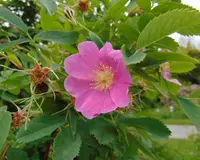
Showy Blue Ear Care (Cyanotis speciosa)

Also known as: Doll's Powderpuff
Showy Blue Ear

About Showy Blue Ear

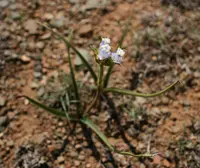
Showy blue ear, Cyanotis speciosa, is a small ornamental plant in the spiderwort family grown mainly for its bright blue, fuzzy flowers and compact habit. It usually forms low clumps with slightly fleshy, green leaves and short, upright flowering stems.

This species is native to parts of Africa, where it grows in warm, seasonally moist habitats. Its modest size and attractive blooms make it suitable for containers, windowsills, and small spaces.

It is generally considered an easy plant for indoor growers who provide bright light, moderate moisture, and well-drained soil. Understanding how to care for Showy Blue Ear helps it flower reliably and maintain a tidy, healthy appearance.

Main Plant Requirements

Care Difficulty

Moderate Care

Light Preference

Partial Shade

Water Requirements

Moderate Water

Temperature Preference

Tropical / Frost Sensitive

Hardiness Zone

10–11

Soil Texture

Sandy, Loamy, Organic-rich

Soil pH

Acidic (5.5–6.5), Slightly acidic (6.5–7.0)

Soil Drainage

Well-drained

Fertilization

Light (every 4–6 weeks)

Get Personalized Care Plan

Scan your plant to receive care tips personalized for your specific plant

Available on iOS and Android

How to Care for the Showy Blue Ear

This species prefers bright, indirect light similar to open woodland edges.

  • Provide 4–6 hours of bright, filtered light daily, such as morning sun with light shade or dappled light through trees for the rest of the day.
  • Protect Showy Blue Ear from intense midday and late-afternoon sun, which can scorch leaves and fade color; use light shade cloth or position near taller plants outdoors.
  • In hot summers, shift to more shade; in cooler seasons, allow more direct morning sun to maintain compact growth and prevent sparse, stretched stems.

This plant prefers evenly moist but not waterlogged soil during active growth.

  • Water when the top 2–4 cm of soil feels dry, using enough water to moisten the root zone, then let excess drain away fully.
  • During warm growing months, increase watering frequency, while in cooler seasons reduce it so the soil surface dries a bit deeper between waterings for Cyanotis speciosa.
  • Watch leaves for signals: soft, yellowing, limp foliage often indicates overwatering or poor drainage, while crisp, curling edges and dull, drooping leaves suggest underwatering.

This species grows best in warm, frost-free conditions.

  • Aim for 65–80°F (18–27°C) for steady growth, with good air movement to prevent fungal issues in humid conditions.
  • Protect plants from temperatures below 50°F (10°C); brief dips to 45°F (7°C) may be tolerated but repeated cold slows growth and can damage foliage.
  • In hot spells above 90°F (32°C), provide afternoon shade and avoid heat-reflecting surfaces, as combined high heat and full sun can scorch leaves and stress the plant.

This species prefers moderate air moisture but usually adapts well to typical home humidity.

  • Aim for 40–60% humidity to keep foliage firm and vibrant on Showy Blue Ear.
  • Dry air may cause leaf edges to brown or curl and growth to slow.
  • Increase humidity locally with a nearby pebble tray, grouped plants, or a small humidifier rather than misting leaves heavily.

This species prefers a loose, fast-draining, slightly organic substrate that dries somewhat between waterings.

  • Use a mix of 2 parts peat- or coco-based potting mix, 1 part perlite, and 1 part coarse sand for aerated, quick-draining soil.
  • Ensure the mix stays crumbly; avoid heavy clay or compacted substrates that hold water around the roots.
  • Aim for slightly acidic to neutral pH, around 6.0–7.0, which suits Cyanotis speciosa root function.
  • Incorporate a small amount of fine bark or leaf mold to add structure without sacrificing drainage.

This species is well suited to container growing due to its compact, spreading habit.

  • Choose a shallow, wide pot to accommodate its spreading root system and stems without crowding the center.
  • Select a slightly heavier pot material, such as ceramic, to prevent tipping as the plant trails over the rim.
  • Ensure drainage holes are unobstructed and empty saucers promptly so the lower root zone does not remain waterlogged.

This species responds well to light, consistent feeding during its active growing season.

  • Use a balanced liquid fertilizer (for example 10-10-10 or 20-20-20) diluted to 1/4–1/2 strength for Showy Blue Ear in spring and summer.
  • Apply every 3–4 weeks while growth is strong, always onto pre-watered soil to avoid root burn.
  • Pause feeding in autumn and winter when growth slows, especially in cooler indoor conditions.
  • Organic options like dilute compost tea or a mild slow-release fertilizer can be used sparingly at the start of the season.

Pruning Cyanotis speciosa helps maintain a compact, tidy form and encourages denser growth.

  • Best time for pruning is late winter to early spring, just before vigorous new growth starts.
  • Pinch or trim back leggy stems with clean scissors to encourage branching and a fuller shape.
  • Remove dead, damaged, or weak shoots at their base to improve airflow and reduce disease risk.
  • Lightly trim after flowering to tidy spent blooms without removing too much healthy foliage.

This plant appreciates occasional repotting to refresh its soil and manage spreading roots in containers.

  • Plan to repot every 2–3 years in spring when new growth begins and stress is lowest.
  • Check for roots circling the pot, pushing through drainage holes, or slowed growth as cues to move up 1 pot size.
  • Water lightly before and after repotting, gently loosen root tips, and avoid heavy root pruning to limit shock.
  • Use a well-drained mix, keep the crown at the same depth, and shade from strong sun for 3–5 days afterward.

Cyanotis speciosa is commonly propagated by stem cuttings and division of mature clumps.

  • Take 7–10 cm soft stem cuttings in spring or early summer, removing lower leaves.
  • Place cuttings in moist, well-drained medium at 70–75°F with bright, indirect light to support rooting.
  • Divide crowded clumps in spring, separating sections with healthy roots and several shoots each.
  • Keep new divisions evenly moist, slightly shaded, and sheltered from strong drafts until well established.

This species is frost sensitive and needs protection in regions with cold winters.

  • Maintain indoor temperatures above 55°F and provide bright, indirect light in winter.
  • Move container plants indoors before night temperatures fall below 50°F to avoid tissue damage.
  • Water less in winter, allowing the upper soil to dry slightly while preventing complete desiccation.
  • In mild climates, grow in a sheltered spot and mulch the root zone lightly to buffer temperature swings.

Care Tips

Encourage Compact Growth

Pinch back the soft tips of each stem every few weeks during active growth to keep the plant low, bushy, and prevent it from becoming leggy or top-heavy.

Manage Trailing Stems

Allow the outer stems to trail over the pot edge while periodically rotating the container 90° so light reaches all sides and the plant develops an even, symmetrical cascade.

Refresh Aging Stems

Once older stems become woody or sparse, cut them back close to the base at the start of the growing season to stimulate fresh, dense shoots from lower nodes.

Use Shallow, Wide Pots

Choose a wide, shallow pot to match the fibrous, surface-leaning root system and reduce the risk of waterlogged soil in the central root zone.

Monitor Leaf Hair Cleanliness

Dust the fuzzy leaves gently with a soft, dry brush rather than wiping with a cloth, which can damage the hairs and leave streaks that interfere with efficient light capture when caring for Showy Blue Ear.

Common Pests and Diseases

Spider mites

This pest often appears on Cyanotis foliage kept in warm, dry indoor air, causing stippling and a dusty look on the hairy leaves. Symptoms include fine webbing, faded or bronzed patches, and slowed growth.

Solution

Rinse leaves thoroughly under a gentle stream of lukewarm water, including the undersides, then increase humidity and reduce heat stress. For persistent infestations, spray with insecticidal soap or a neem oil solution every 5–7 days until new growth appears clean and web‑free.

Mealybugs

These insects hide in the leaf bases and along the fuzzy stems, appearing as white cottony clusters and excreting sticky honeydew. Symptoms include distorted new growth, sticky residue, and occasional sooty mold on older leaves.

Solution

Remove visible insects with a cotton swab dipped in 70% isopropyl alcohol, then wash the plant with lukewarm water to clear residue. Repeat spot treatments weekly and isolate the plant; if numbers stay high, apply insecticidal soap to all above‑ground parts, focusing on leaf joints and stem crevices.

Soft scale

This pest can settle along the soft, trailing stems, forming flat or slightly domed brown bumps that do not move when touched. Symptoms include yellowing leaves, sticky honeydew, and reduced vigor in hanging or potted specimens.

Solution

Gently scrape or wipe off individual scales with a cloth or soft toothbrush dipped in 70% isopropyl alcohol, then rinse the plant. Follow up with 2–3 applications of horticultural or neem oil at 7–10 day intervals, ensuring thorough coverage of stems and leaf undersides while improving light and airflow to support recovery.

Leaf spot

This disease shows as small water‑soaked or brown lesions on the succulent, hairy leaves, often starting where water sits on the surface. Spots may enlarge, merge, and cause patches of tissue to dry out or collapse.

Solution

Remove and discard affected leaves and avoid overhead watering, especially in cool or low‑light conditions. Improve air movement, water at the soil level, and if new spots continue to form, apply a copper‑based or broad‑spectrum fungicide labeled for ornamental foliage plants according to package directions.

Botrytis blight

This disease tends to develop in dense, humid conditions, causing soft, grayish patches on leaves and stems that may develop fuzzy gray mold. Symptoms include rapidly collapsing tissue on shaded or crowded parts of the plant.

Solution

Cut off and discard all affected plant parts, then increase ventilation and reduce humidity around the plant by spacing it away from others and avoiding water on the foliage. In severe or recurring cases, use a fungicide labeled for Botrytis on ornamentals and adjust watering so the soil dries slightly between waterings to reduce surface moisture.

Interesting Facts

Hairy leaf adaptation

The leaves are densely covered in fine hairs that trap a thin layer of air, which reduces water loss and protects the tissues from strong light and rapid temperature changes in its native habitats.

Blue-violet floral display

The plant produces small blue to violet, three-petaled flowers in clusters, a typical trade mark of the Commelinaceae family, with contrasting yellow anthers that help attract pollinating insects.

Creeping growth habit

Cyanotis speciosa grows as a creeping or arching perennial herb with stems that root at the nodes when they touch suitable substrate, allowing it to spread and form low, dense mats in cultivation and in the wild.

FAQs about Showy Blue Ear

Lack of flowers usually comes from insufficient light, irregular watering, or nutrient-poor substrate. Old, congested clumps may also bloom less and benefit from division. Balanced fertilization and stable care conditions support reliable flowering when caring for Showy Blue Ear.

Grow Healthy Plants with Botan Care

Keep your plants happy and healthy with plant identification, disease detection, and easy care guidance.

Botan plant care app — identify plants on mobile

Explore More Plants