Large Hedgehog-Flower Care (Coleus livingstonei)

Large Hedgehog-Flower

About Large Hedgehog-Flower

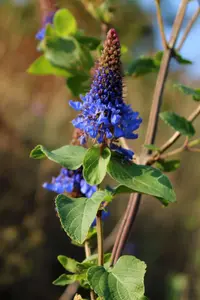
Large hedgehog-flower (Coleus livingstonei) is a compact, herbaceous perennial from eastern and southern Africa, often grown as an annual in cooler climates. It belongs to the mint family and typically forms dense, low mounds with small, textured leaves and short flower spikes that give a bristly or hedgehog-like look.

This species is mostly valued as a foliage and edging plant in warm gardens or containers. It is considered relatively easy to grow when given consistent moisture, good drainage, and moderate light. Gardeners who care for Large Hedgehog-Flower usually appreciate its tidy habit and reliable performance in suitable climates.

Main Plant Requirements

Care Difficulty

Moderate Care

Light Preference

Partial Shade

Water Requirements

Keep Soil Moist

Temperature Preference

Tropical / Frost Sensitive

Hardiness Zone

10–11

Soil Texture

Loamy, Sandy, Organic-rich

Soil pH

Acidic (5.5–6.5), Slightly acidic (6.5–7.0)

Soil Drainage

Moist but well-drained

Fertilization

Light (every 4–6 weeks)

Get Personalized Care Plan

Scan your plant to receive care tips personalized for your specific plant

Available on iOS and Android

How to Care for the Large Hedgehog-Flower

Coleus livingstonei prefers bright, indirect light with limited direct sun for best foliage color.

  • Provide 3–5 hours of gentle morning sun with bright, filtered light the rest of the day; avoid harsh afternoon sun, especially in summer.
  • In hot climates, grow Large Hedgehog-Flower in light shade or dappled light to prevent leaf scorch, bleaching, and crispy edges.
  • If stems stretch or leaf colors fade, increase light by moving to a brighter spot or lightly thinning overhead shade, particularly in spring and autumn.

Coleus livingstonei needs evenly moist but not saturated soil to maintain healthy foliage and prevent root problems.

  • Water when the top 2–3 cm of soil feels dry, allowing moisture to penetrate the root zone without leaving the soil soggy.
  • Use loose, well-drained soil; persistent wetness, sour smell, or mushy stems indicate overwatering and risk of root rot.
  • In hot, windy weather, expect faster drying and more frequent watering; wilting, drooping tips, or dry, crisp leaf edges signal underwatering.

This species grows best in warm, frost-free conditions with stable temperatures through the growing season.

  • Aim for 65–80°F (18–27°C) for active growth; plants slow noticeably below 60°F (16°C).
  • Protect from cold; growth and foliage suffer near 45–50°F (7–10°C), and frost at 32°F (0°C) can kill stems to the ground.
  • In heat above 90°F (32°C), provide shade and consistent moisture to limit stress, especially during mid-afternoon in midsummer.

Coleus livingstonei prefers moderate to slightly humid air but adapts to most home conditions if watering is consistent.

  • Aim for 40–60% humidity, as very dry heated rooms can speed leaf edge browning.
  • Tolerates short periods of dry air if soil moisture is stable and light is not too intense.
  • Watch for curled, crisp leaf margins as a sign of low humidity stress in Large Hedgehog-Flower and group plants or use a small pebble tray to raise local humidity.

Coleus livingstonei grows best in loose, moisture-retentive but sharply draining substrate.

  • Use a peat- or coco-based mix with added compost for organic matter and perlite for drainage and aeration.
  • Aim for slightly acidic to neutral pH around 6.0–7.0, avoiding strongly alkaline media that can limit nutrient uptake.
  • Ensure the mix never becomes compacted; coarse perlite or fine bark chips help keep pores open for root oxygen.
  • Avoid heavy garden clay or mixes that stay waterlogged, which encourage root and stem rot in this species.

This species suits container growing and responds well to stable root conditions.

  • Choose a wide, shallow pot to match its spreading root system and reduce the risk of the plant becoming top-heavy and tipping over.
  • Select slightly heavier materials such as ceramic if growing outdoors in breezy spots, as this improves container stability.
  • Ensure drainage holes are fully exposed and raise the pot on feet so excess water clears quickly instead of pooling under the base.

Coleus livingstonei benefits from moderate, consistent nutrition during its active growing season.

  • Use a balanced liquid fertilizer (such as 10-10-10 or 20-20-20) diluted to 1/2–1/4 strength for caring for Large Hedgehog-Flower in pots.
  • Feed every 2–3 weeks from spring through early fall when growth is active.
  • Skip or greatly reduce feeding in late fall and winter, especially under low light.
  • In beds, mix compost or a slow-release granular fertilizer into the topsoil once each spring.

Coleus livingstonei responds well to light, frequent shaping to keep plants dense and colorful.

  • Pinch or trim soft shoot tips in spring and summer to encourage bushier growth and more branching.
  • Remove dead, damaged, or leggy stems back to healthy nodes using clean, sharp scissors or hand pruners.
  • Cut off flower spikes as they appear if the goal is stronger foliage growth and longer leaf color display.
  • Thin crowded stems to improve airflow and reduce risk of fungal problems in humid climates.

This coleus usually needs periodic transplanting to maintain vigorous growth, especially in containers.

  • Check for roots circling the pot, pushing through drainage holes, or slowed top growth as signals to repot.
  • Plan repotting or transplanting in spring, once nights are mild and active growth is starting.
  • Move to a container 2–5 cm wider with fresh, well-drained potting mix every 1–2 years.
  • Water well after shifting, keep in bright but indirect light for 3–7 days, and avoid heavy feeding to limit root stress.

New Coleus livingstonei plants are most often produced from soft stem cuttings.

  • Take 7–10 cm non-flowering tip cuttings in late spring or summer from healthy shoots.
  • Strip lower leaves, then place cuttings in clean water or a moist, sterile mix of perlite and peat or coco coir.
  • Provide bright, indirect light, high humidity, and temperatures around 70–80°F for reliable rooting.
  • Seeds can be started indoors in warm, evenly moist mix, kept lightly covered and under 12–14 hours of light.

This coleus is frost-sensitive and needs protection in regions with cold winters.

  • Move container plants indoors before temperatures drop below 50°F, placing them in bright, indirect light.
  • Outdoors in mild climates, apply a 3–5 cm mulch layer around the base to buffer root-zone temperature.
  • In colder areas, grow as an annual or overwinter cuttings indoors under warm, bright conditions.

Care Tips

Pinch To Shape

Regularly pinch out the soft tip of each stem once it has 4–6 pairs of leaves to keep plants compact, prevent legginess, and encourage dense, colorful foliage mounds when growing Large Hedgehog-Flower.

Rotate For Even Color

Turn pots 1/4 turn every week so all sides receive similar light, which reduces one-sided stretching and keeps leaf coloration uniform across the plant.

Refresh Leggy Plants

If stems become tall and bare at the base, cut them back by 1/3–1/2 and replant healthy tip cuttings into the same pot to quickly thicken the clump.

Use Staggered Cuttings

Take small batches of cuttings every 3–4 weeks and root them in fresh mix so you always have young, vibrant plants ready to replace tired or woody specimens.

Monitor For Mites

Inspect the undersides of leaves weekly for fine webbing or stippling, and if seen, immediately rinse foliage under a gentle shower and isolate the plant to contain spider mite outbreaks.

Common Pests and Diseases

Mealybugs

This pest feeds on sap and often hides in leaf axils and along stems, causing stunted growth and sticky honeydew on foliage.

Solution

Isolate the plant, then dab visible insects with cotton swabs dipped in 70% isopropyl alcohol and gently wipe leaf undersides; repeat weekly until clear, and improve air movement while avoiding excess nitrogen fertilizer to reduce reinfestation risk.

Aphids

These insects cluster on tender shoot tips and leaf undersides, sucking sap and causing distorted new growth and sticky residue that can lead to sooty mold.

Solution

Rinse the plant thoroughly with a firm but gentle stream of water, then apply an insecticidal soap or neem oil spray to all leaf surfaces, repeating every 5–7 days as needed and reducing excessive soft, lush growth by moderating fertilizer use.

Spider mites

This pest thrives on coleus foliage in warm, dry indoor air, causing fine speckling, dull leaves, and in heavier infestations, delicate webbing between leaves and stems.

Solution

Increase humidity around the plant, shower foliage with lukewarm water to remove mites, and follow with a miticidal product such as horticultural oil applied to both upper and lower leaf surfaces, repeating treatments at short intervals to interrupt the life cycle.

Botrytis blight

This disease appears in dense, humid conditions as soft, water-soaked leaf spots and grey fuzzy mold on senescing leaves, stems, or fallen debris around the plant.

Solution

Remove and discard all affected plant material, increase spacing and airflow, keep foliage dry by watering at the base, and if humidity cannot be reduced, use a labeled fungicide as a preventative on healthy tissue during high-risk periods.

Bacterial leaf spot

Symptoms include small, water-soaked spots that enlarge and darken on colored leaves, often with a yellow halo and irregular shape on older foliage.

Solution

Promptly remove spotted leaves, avoid overhead watering and splashing between plants, disinfect cutting tools, and keep the plant in conditions with good airflow; in persistent cases, discard severely affected specimens and start fresh from healthy, certified stock.

Interesting Facts

East African forest origins

Coleus livingstonei is native to moist forest and woodland habitats in parts of East Africa, where it naturally grows in dappled shade under taller vegetation rather than in open, exposed sites.

Distinctive toothed foliage

This species has soft, often bright green leaves with clearly toothed margins and a slightly hairy surface, which helps reduce water loss and provides some protection against small herbivores.

Lipped flowers for pollinators

Its small tubular flowers are arranged in spikes and have a distinct two-lipped structure, a typical feature of the mint family that guides insect pollinators toward the nectar and pollen.

FAQs about Large Hedgehog-Flower

Poor flowering usually comes from low light, heavy feeding with high-nitrogen fertilizer, or the plant being very young. Ensure bright conditions, avoid excessive nitrogen, and allow time for the plant to reach flowering age.

Grow Healthy Plants with Botan Care

Keep your plants happy and healthy with plant identification, disease detection, and easy care guidance.

Botan plant care app — identify plants on mobile

Explore More Plants