Saltwind tolerance check
When planting near the coast, observe new foliage for marginal burn in the first season and, if present, install a low windbreak fence or hedge on the windward side to reduce direct salt spray while the tree establishes.

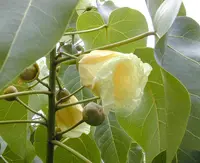
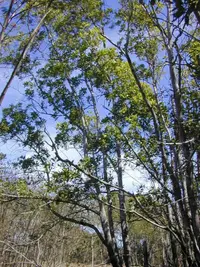
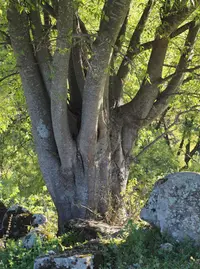
Portia tree, Thespesia populnea, is a small to medium coastal tree from the hibiscus family, often grown as an ornamental or shade tree. It typically has a rounded crown, heart-shaped glossy leaves, and hibiscus-like yellow flowers that age to orange or maroon.
In nature it occurs along tropical and subtropical seashores, especially on sandy or coral soils with good drainage. It tolerates wind, salt spray, and short dry spells, which makes it useful in tough urban or coastal sites.
This species is generally considered easy to grow if given full sun, warmth, and soil that does not stay waterlogged. Understanding these basic needs helps gardeners know how to care for Portia tree in home landscapes.

Care Difficulty
Easy Care

Light Preference
Full Sun

Water Requirements
Moderate Water

Temperature Preference
Tropical / Frost Sensitive

Hardiness Zone
10–12

Soil Texture
Sandy, Loamy, Clay

Soil pH
Slightly acidic (6.5–7.0), Neutral (7.0)

Soil Drainage
Well-drained

Fertilization
Minimal (feed rarely)
Scan your plant to receive care tips personalized for your specific plant
Available on iOS and Android
Thespesia populnea grows best in bright, warm sites with strong but not extreme sun.
Thespesia populnea prefers consistently moist, well-drained soil and does not tolerate standing water.
This coastal species favors warm, frost-free conditions with mild seasonal shifts.
Thespesia populnea handles a wide humidity range but grows best with moderate ambient moisture.
This coastal species prefers loose, well-aerated mineral soils that drain quickly yet hold some moisture.
This species can be grown in containers, especially in its early years or where in-ground planting is not possible.
Thespesia populnea responds well to light, balanced feeding in active growth but tolerates lean soils.
Pruning helps keep Thespesia populnea compact, safe, and flowering well in garden or streetside plantings.
This species is usually grown in the ground, so focus on careful transplanting of young trees from containers.
Thespesia populnea is commonly propagated from both seeds and semi-hardwood cuttings.
This tropical coastal tree is frost sensitive and benefits from protection in climates colder than USDA zone 10.

Plant Health Check
Not sure what's wrong with your plant? Check your plant's health inside the app.
The flowers open bright yellow in the morning, gradually turn orange and then reddish-brown by late afternoon, a change linked to pigment oxidation and signaling flower age to pollinators.
This coastal species tolerates wind, salt spray, and sandy soils and often forms natural windbreaks along tropical shorelines, helping stabilize dunes and protect inland vegetation.
Its hard, woody fruits contain seeds that can remain viable after long periods floating in seawater, which allows the species to colonize distant tropical coasts via ocean currents.

Historical records from the Indian Ocean and Pacific regions describe its durable, termite-resistant wood being used for canoes, ship parts, and traditional carvings, making it an important coastal timber tree in many island cultures.
Lack of flowers often results from insufficient light, heavy pruning of young wood, or nutrient imbalance with too much nitrogen. Ensure strong sun exposure, avoid cutting branch tips before flowering, and use a balanced, low-nitrogen fertilizer.
Keep your plants happy and healthy with plant identification, disease detection, and easy care guidance.