



Best Soil for rhododendron (Rhododendron ponticum)

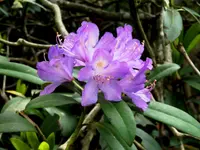
Rhododendron ponticum grows best in loose, organic soil with reliable drainage and an acidic reaction that supports healthy, fine root growth.

Soil Texture

Loamy, Peaty, Organic-rich

Soil pH

Strongly acidic (4.5–5.5), Acidic (5.5–6.5)

Soil Drainage

Moist but well-drained

Rhododendron ponticum Soil Guide

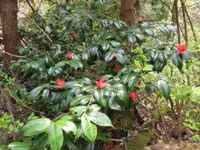
Native to parts of southwestern Europe and western Asia, Rhododendron ponticum grows in woodland margins, mountains, and other humid sites where leaf litter builds a loose, organic, acidic root zone. That habitat explains why rhododendron soil should stay evenly moist without becoming heavy or stagnant.

Its roots are generally fine and shallow, so the best soil for rhododendron needs both moisture retention and air around the roots. A loamy, peaty, organic-rich substrate suits it well because it holds steady moisture, drains excess water, and stays open enough for root function.

A custom mix helps balance air, moisture, and acidity for Rhododendron ponticum in containers or beds with unsuitable native soil.

100% total mix = 20 scoops
10%
composted leaf mold2 scoops
20%
perlite or pumice4 scoops
30%
pine bark fines6 scoops
40%
peat moss or coco coir8 scoops

The finished blend should feel springy and crumbly, hold light moisture evenly, and let excess water move through without staying heavy.

Rhododendron ponticum prefers acidic soil, with a practical target around 4.5–6.0 pH. Within that range, key nutrients such as iron and manganese stay more available to the roots.

If the soil drifts closer to neutral, nutrient uptake often becomes less efficient even when the soil itself seems otherwise suitable. A slightly acidic environment supports steadier growth and healthier root activity.

This species can react poorly when roots stay stressed for long periods. Rhododendron ponticum is especially sensitive to conditions that reduce airflow around its fine roots.

Soggy root zone:

Soil that stays wet and heavy can limit oxygen around the roots; improve drainage first and reduce any compacted, dense material.

Compaction:

If water sits on the surface or the mix feels hard, roots may struggle to spread; loosen the upper layer gently and refresh the soil if needed.

Poor acidity:

Growth may weaken in less acidic soil because nutrient uptake drops; test the pH and adjust with an acid-forming amendment suited to the species.

Rapid drying:

If the root area dries too fast, the mix may be too coarse or low in organic matter; add moisture-retentive material and check exposure.

Match Plant to Soil

Botan helps match this plant to a more suitable soil setup based on its needs and the conditions in your home or garden.

FAQ

Yes. This species has fairly shallow roots, so extreme depth is less useful than stable width and even moisture. A pot that is too deep can keep lower layers wet longer than the roots need.

More Plant Soil Guides

Is Your Soil the Problem?

Some visible issues may be linked to the root zone. Botan’s photo-based assessment can help you check whether soil is one possible factor.

Botan app helping with soil and plant care
Can Plants Grow With Artificial Light?

6 min read · 15 Sept 2026

Can Plants Grow With Artificial Light?

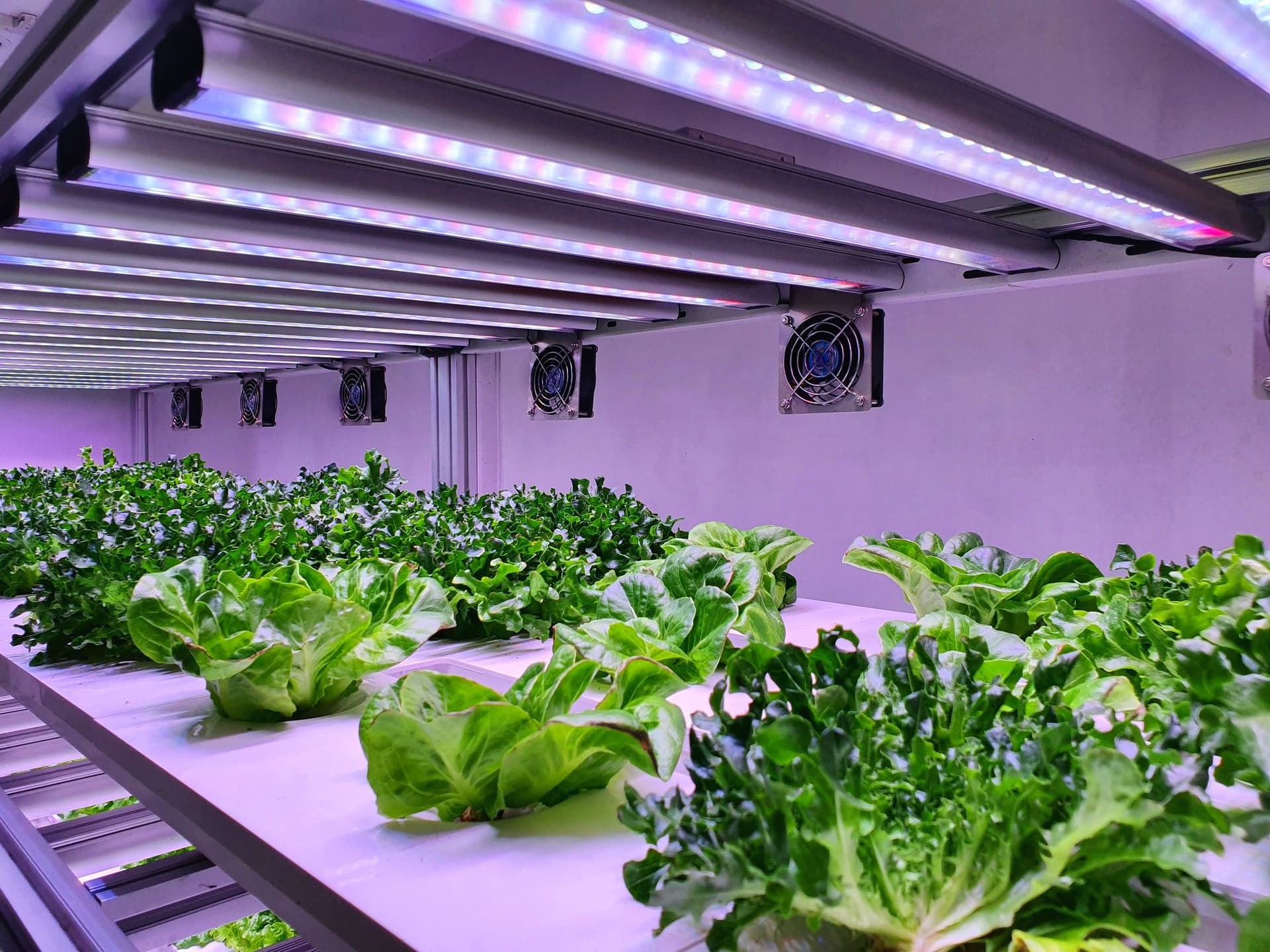
Plants can grow under artificial light when the setup provides a suitable spectrum, enough intensity, and sufficient daily exposure. This guide explains how artificial lighting compares with sunlight, which options work indoors, and how to match a setup to houseplants.

Plant Care
Can Plants Grow With Artificial Light?
12 Best Landscaping Trees for Your Garden

8 min read · 6 Oct 2026

12 Best Landscaping Trees for Your Garden

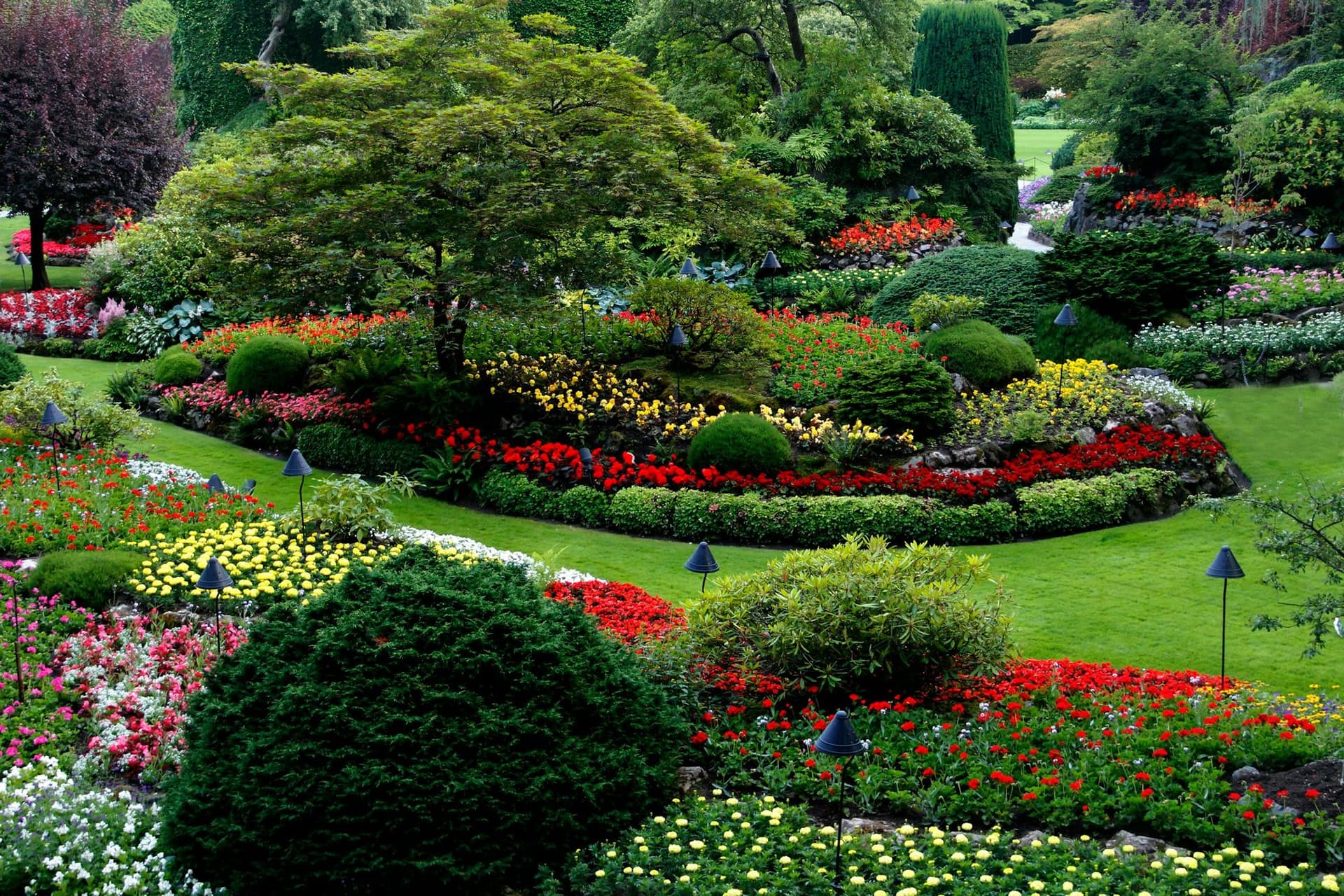
Choosing the landscape tree depends on what your garden needs most. These 12 options include compact flowering specimens, colorful deciduous trees, shade varieties, and evergreens suitable for screening and year-round structure.

Plant Recommendations
12 Best Landscaping Trees for Your Garden
When to Plant Hydrangeas: Best Time by Season and Type

6 min read · 30 Oct 2026

When to Plant Hydrangeas: Best Time by Season and Type

Hydrangeas grow best when you plant them in cool weather. This guide explains when to plant hydrangeas in your area, compares fall and spring planting seasons, and shows the right steps for each type.

Beginner Guides
When to Plant Hydrangeas: Best Time by Season and Type