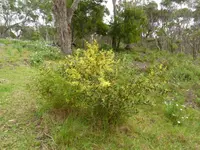






Best Soil for acacia (Acacia sophorae)

Acacia sophorae grows best in loose, fast-draining soil that supports healthy root spread and reduces stress around the root zone.

Soil Texture

Sandy, Loamy, Rocky

Soil pH

Slightly acidic (6.5–7.0), Neutral (7.0)

Soil Drainage

Well-drained

Acacia sophorae Soil Guide

Native to coastal southern Australia, Acacia sophorae grows in sandy, loamy, and rocky ground where water moves through quickly and roots stay well aerated. That natural setting points to the best soil for acacia: light, open, and sharply well drained rather than dense or moisture-holding.

Its root system is adapted to spread through mineral soils with good airflow, so loose texture matters as much as drainage. Acacia soil should hold a little moisture between waterings but not stay wet, and a slightly acidic to neutral reaction suits its natural conditions.

A simple custom mix helps control texture and drainage for Acacia sophorae in containers. Aim for a blend that stays airy without turning dusty or collapsing.

100% total mix = 20 scoops
10%
fine pine bark2 scoops
20%
coarse sand4 scoops
30%
pumice or perlite6 scoops
40%
coarse potting soil8 scoops

The finished blend should feel gritty, light, and crumbly, with water moving through promptly instead of lingering around the roots.

A good target for Acacia sophorae is about 6.5–7.0 pH, which places it in slightly acidic to neutral soil. That range supports balanced nutrient availability without pushing the root zone too far in either direction.

When pH stays near neutral, key minerals remain easier for the plant to absorb. Soil that drifts much lower or higher can gradually limit access to some nutrients even when they are present.

Most soil issues with acacia come from poor structure or stale conditions around the roots. Early correction usually helps reduce ongoing stress.

Compacted soil:

Dense soil that feels hard or slow to absorb water can limit air around roots, so loosen the surface gently and replace the mix if it stays tight.

Staying wet too long:

If the root zone remains damp for many days, excess moisture may be building up, so check drainage and switch to a faster-draining medium.

Hydrophobic mix:

Very dry soil that shrinks from the pot edge may repel water at first, so rewet it slowly and evenly until the whole root ball moistens again.

Salt buildup:

A crust on the surface or pot rim can point to mineral residue, so flush the container thoroughly and avoid letting deposits accumulate over time.

Match Plant to Soil

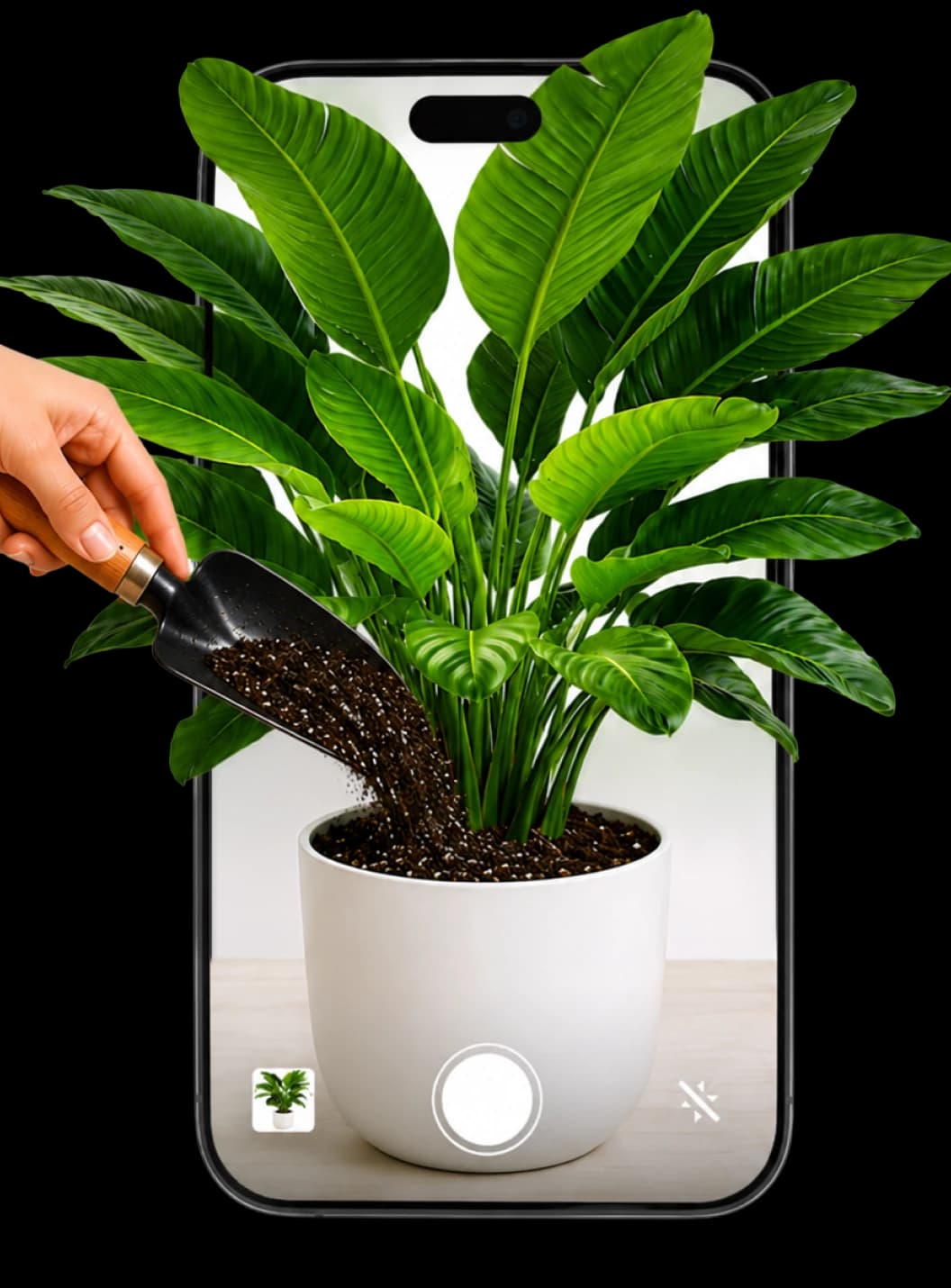
Botan helps match this plant to a suitable soil type so the mix fits its natural texture and drainage needs more closely.

FAQ

Yes. A pot with enough depth gives roots room to anchor and spread through a stable moisture zone, while a very shallow container tends to dry unevenly and limits long-term support.

More Plant Soil Guides

Is Your Soil the Problem?

If growth looks off, soil may be one factor worth checking. Botan’s photo-based assessment can help point to likely causes.

Botan app helping with soil and plant care
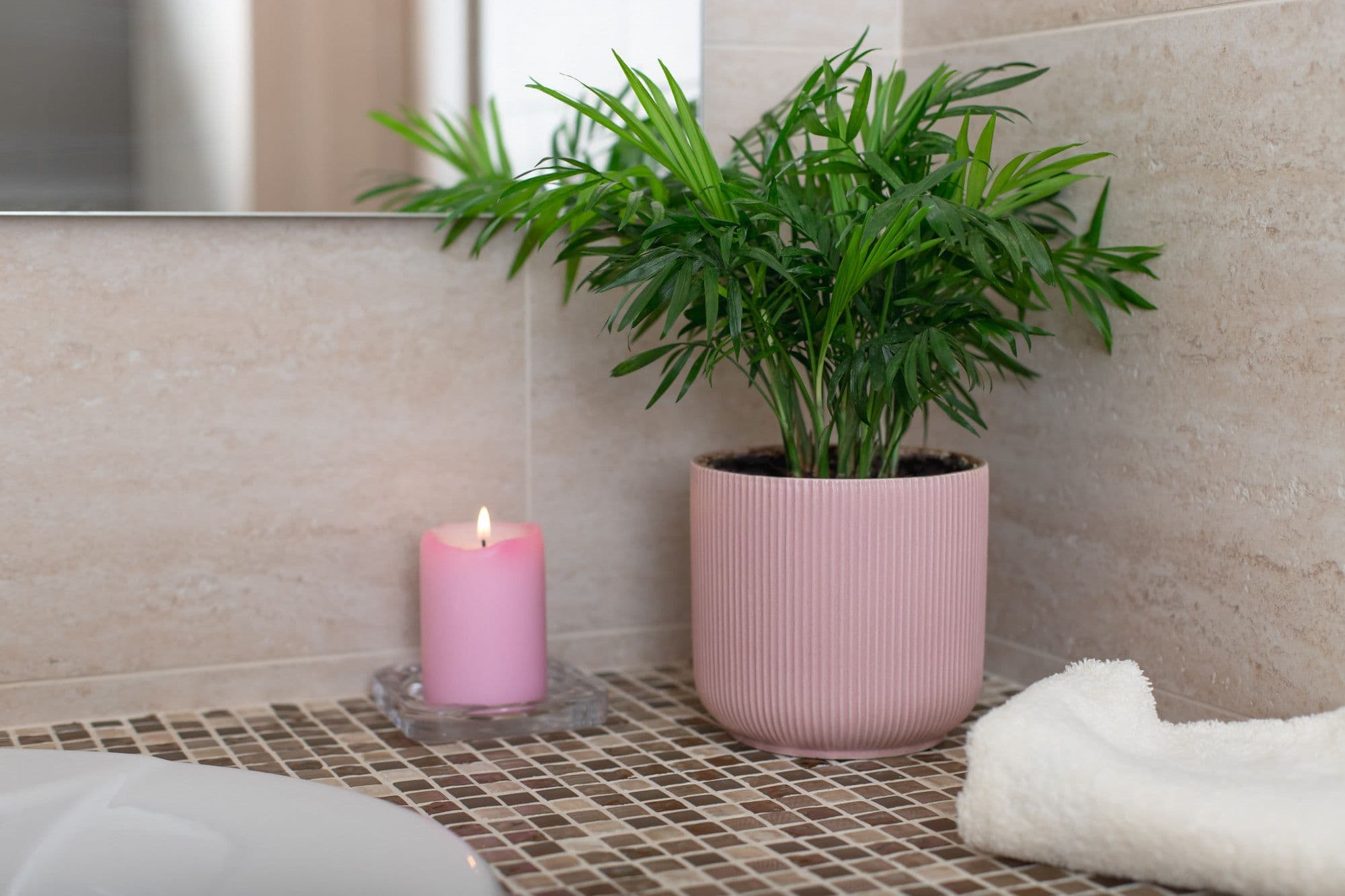
12 Best Plants for Bathroom That Thrive in Humid Conditions

9 min read · 29 Sept 2026

12 Best Plants for Bathroom That Thrive in Humid Conditions

Discover the 12 best plants for bathroom spaces. Each pick comes with its own advantages, plus light, humidity, watering, and placement tips. Take a look and match the plant to your specific bathroom.

Plant Recommendations
12 Best Plants for Bathroom That Thrive in Humid Conditions
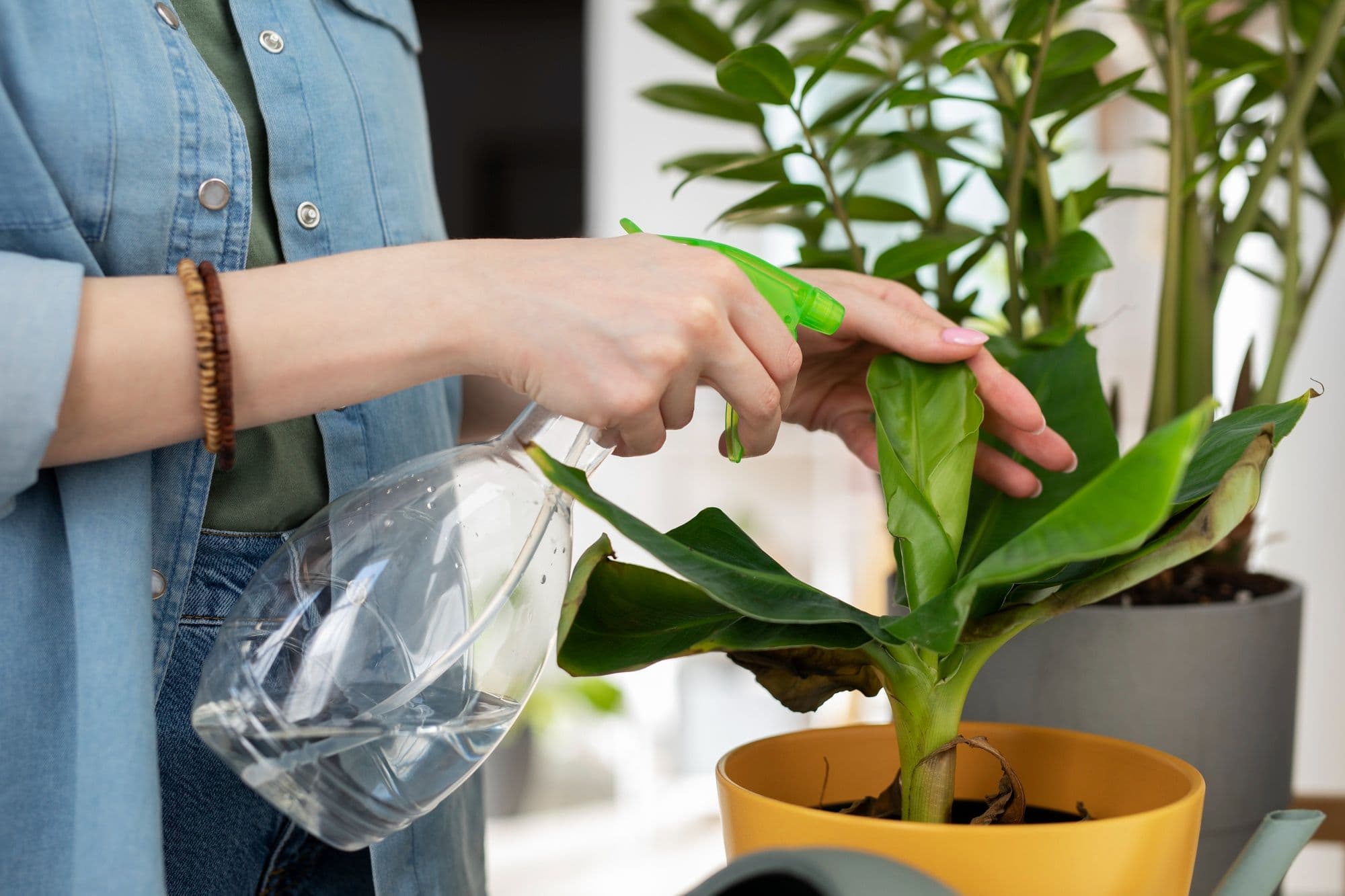
How to Mist Plants – Proper Technique and Common Mistakes

7 min read · 30 Jul 2026

How to Mist Plants – Proper Technique and Common Mistakes

Find out when misting works well and when to avoid it. Here, you’ll find detailed information about compatible and incompatible species, tips on how often to mist plants and do it correctly, and some great alternatives for raising humidity.

Beginner Guides
How to Mist Plants – Proper Technique and Common Mistakes
Banana Peel Water for Plants: 5 Things to Know Before Trying It

5 min read · 9 Jul 2026

Banana Peel Water for Plants: 5 Things to Know Before Trying It

Banana water can provide potassium and some nutrients that may support plant growth, but it is not a universal fix. Use it carefully and only when the plant actually shows signs of nutrient deficiency rather than as a routine treatment.

Plant Care
Banana Peel Water for Plants: 5 Things to Know Before Trying It