acacia Care (Acacia sophorae)

acacia

About acacia

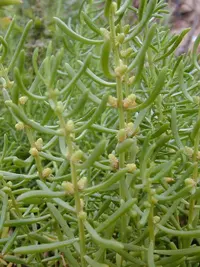
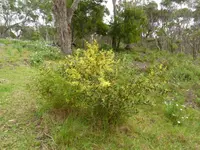
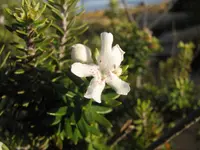
Acacia sophorae, often called coast wattle, is a hardy evergreen shrub or small tree from coastal regions of southern Australia. It naturally forms dense, rounded thickets that help stabilize sandy soils and dunes.

The plant typically has arching branches, narrow leaf-like phyllodes, and bright yellow, ball-shaped flowers in clusters. Its tough structure and tolerance of wind, salt, and poor soil make it suitable for exposed gardens in mild climates.

Acacia sophorae prefers full sun, free-draining soil, and low to moderate moisture once established. Its resilience and modest maintenance needs help gardeners understand how to care for acacia in challenging coastal or dry landscapes.

Main Plant Requirements

Care Difficulty

Easy Care

Light Preference

Full Sun

Water Requirements

Low Water

Temperature Preference

Warm Climate

Hardiness Zone

9–11

Soil Texture

Sandy, Loamy, Rocky

Soil pH

Slightly acidic (6.5–7.0), Neutral (7.0)

Soil Drainage

Well-drained

Fertilization

Minimal (feed rarely)

Get Personalized Care Plan

Scan your plant to receive care tips personalized for your specific plant

Available on iOS and Android

How to Care for the acacia

This coastal shrub prefers bright, open conditions similar to its native dunes and headlands.

  • Provide 6–8 hours of direct sun daily; full sun promotes compact growth and dense flowering.
  • Tolerates light or high coastal shade, but in areas with hot inland summers give morning sun and light afternoon shade to reduce leaf scorch.
  • In winter, lower sun angles are acceptable, but avoid deep shade from buildings or trees, which leads to sparse, weak new stems.

This species is drought-tolerant once established and prefers infrequent, deeper watering.

  • For in-ground plants, allow the top 5–8 cm of soil to dry before watering; sandy soils may dry within a few days, heavier soils much more slowly.
  • During the first 1–2 growing seasons, watch foliage: dull, slightly curling leaves suggest it is time to water, while yellowing or soft stems suggest excess moisture.
  • Ensure sharply drained, sandy or gritty soil and avoid standing water, which encourages root rot and reduces the natural resilience of Acacia sophorae.

This shrub thrives in mild coastal climates with cool winters and warm, dry summers.

  • Optimal growth occurs around 60–80°F (16–27°C), with best establishment in spring and autumn when extremes are less common.
  • Mature plants tolerate brief drops to about 25°F (−4°C), but young plants and new growth are damaged by hard frost, so use windbreaks or temporary covers in cold snaps.
  • Handles summer heat up to about 95°F (35°C) if soil is free-draining and roots are not waterlogged, but prolonged extreme heat may cause leaf scorch and slowed growth.

This coastal shrub tolerates a wide humidity range and rarely needs special humidity management indoors.

  • Performs well at 30–60% humidity, similar to most heated or air-conditioned homes.
  • Handles dry air but prolonged exposure may cause crisp leaf tips and marginal browning.
  • If air is extremely dry, place the pot on a pebble tray with water below the pot base to slightly raise local humidity.

Acacia sophorae grows best in loose, fast-draining, low-fertility soil that mimics sandy coastal habitats.

  • Use a sandy or sandy-loam mix with coarse texture to prevent waterlogging and root rot.
  • Aim for slightly acidic to neutral pH around 6.0–7.5, avoiding highly alkaline or compacted clay soils.
  • Blend materials such as washed sand, fine gravel, and a small portion of composted bark to balance drainage and structure.
  • Improve aeration by avoiding heavy peat and by incorporating coarse mineral grit, ensuring water drains from the pot within seconds.

This species can be grown in containers if the pot provides strong drainage and stability for its spreading habit.

  • Choose a wide, heavy container that resists tipping as stems become woody and wind-exposed on balconies or patios.
  • Select a pot with multiple large drainage holes so water clears rapidly after irrigation, preventing saturated lower layers.
  • Use a deeper-than-expected pot to accommodate a developing root system that anchors the shrub and reduces drought stress between waterings.

This coastal shrub grows well in lean soils, so fertilizer for Acacia sophorae is usually light and targeted.

  • Use a low-rate, slow-release native plant fertilizer or balanced NPK around 8-8-8 in spring if growth is weak or foliage pale.
  • Apply once at the start of the growing season; avoid repeated dosing in fertile or native soils.
  • Dilute liquid feeds to 1/2–1/4 strength and water the root zone, keeping product off stems and foliage.
  • Stop feeding in late summer so new growth hardens before winter and the plant rests naturally.

Pruning Acacia sophorae focuses on light shaping and removal of damaged wood.

  • Carry out main pruning in late winter to very early spring, before vigorous new growth starts.
  • Remove dead, diseased, crossing, or wind-damaged branches with clean, sharp bypass pruners or loppers.
  • Thin crowded interior stems to improve light and air flow, keeping the plant as a sturdy, multi-stemmed shrub.
  • Shorten overly long shoots after flowering to maintain form while preserving next season’s buds.

This coastal species is usually grown in the ground, so transplanting is more common than container repotting.

  • Look for signs such as slow growth, roots circling a pot, or a plant outgrowing its space before transplanting.
  • Choose late winter to early spring for moving Acacia sophorae, avoiding hot, dry periods.
  • Transplant every several years at most, into a sunny, well-drained site similar to the original soil.
  • Water deeply before and after moving, keep the root ball intact, and mulch lightly to reduce stress and moisture loss.

New Acacia sophorae plants are most often raised from seed rather than vegetative methods.

  • Collect ripe seed pods, then sow seeds in late winter to early spring for best germination.
  • Scarify hard seed coats by nicking with a knife or pouring hot (not boiling) water over them, then soak 12–24 hours.
  • Use a free-draining sandy mix, keep at 64–72°F, and maintain even, slightly moist conditions until seedlings emerge.
  • Grow seedlings in bright light with good airflow, then harden off before planting into their permanent coastal position.

Mature Acacia sophorae is generally cold hardy in mild coastal climates and often needs minimal winter care.

  • Tolerates light frosts but young plants benefit from a 5–8 cm mulch layer around the root zone, kept off the stem.
  • In colder inland sites, use breathable frost cloth over small shrubs during forecast freezes.
  • Move container-grown plants under shelter or into a bright, unheated space when extended frost is expected.

Care Tips

Wind-shaped structure

In windy coastal sites, lightly tip-prune windward stems in late winter to encourage a dense, low, wind-firm canopy rather than tall, top-heavy growth that can snap in storms.

Salt-spray resilience

After severe salt-laden storms, hose foliage with fresh water in the morning to wash off salt deposits and reduce leaf burn and long-term stress to the plant.

Stabilize sandy banks

When planting on dunes or loose sand, set young plants slightly deeper than pot level and firm sand around the base to anchor the root system and reduce wind rock.

Legume root protection

Avoid deep cultivation or frequent digging within 30–40 cm of the trunk so nitrogen-fixing root nodules and fine feeder roots are not damaged.

Targeted rejuvenation

Every 3–4 years, cut back a small proportion of oldest, woody stems close to the base after flowering to gradually renew growth without shocking the plant, a useful strategy when caring for acacia in long-term plantings.

Everything About acacia

Common Pests and Diseases

Wattle tick scale

This pest forms small, hard, brown to grey bumps along stems and leaf stalks, often causing leaf yellowing, sticky honeydew, and sooty mould growth.

Solution

Prune out heavily infested twigs, then hose down branches to dislodge loose scale and honeydew; for remaining insects, use a horticultural oil spray labeled for ornamental wattles, applied thoroughly to stems and leaf bases in mild weather and repeated according to label directions.

Wattle aphids

These insects cluster on young shoots and undersides of phyllodes, sucking sap and causing curling, distortion, and honeydew deposits that may lead to sooty mould.

Solution

Spray affected new growth with a firm stream of water to remove colonies, encourage natural predators such as lady beetles by avoiding broad-spectrum insecticides, and use insecticidal soap on persistent infestations, coating shoot tips and leaf undersides in the early morning or late afternoon.

Myrtle rust

This disease produces bright yellow to orange powdery pustules on young leaves, stems, and seed pods, leading to distortion, dieback, and in severe cases defoliation of new growth.

Solution

Remove and dispose of infected shoots in sealed bags, avoid overhead watering to keep foliage dry, improve air circulation around plants, and in high-risk coastal areas consider using a registered systemic fungicide preventively on young plants as part of broader Acacia sophorae care instructions.

Gumleaf skeletoniser

These caterpillars feed on phyllodes and young leaves, leaving a windowed or skeletonised appearance and sometimes causing noticeable thinning of the canopy on young plants.

Solution

Inspect foliage regularly, hand-pick and destroy visible larvae and cocoons where practical, and, if defoliation becomes significant, apply a biological control product containing Bacillus thuringiensis (Bt) to young foliage, following label instructions and timing treatments for when small larvae are present.

Interesting Facts

Coastal sand stabilizer

This species naturally colonizes foredunes and coastal sand plains in southern Australia, where its dense root and rhizome system helps trap and stabilize shifting sand.

Salt and wind tolerant

The plant shows high tolerance to salt spray and strong coastal winds, which allows it to form low, wind-pruned thickets close to the shoreline where many other shrubs cannot survive.

Nitrogen-fixing legume

As a legume, it forms root nodules with nitrogen-fixing bacteria, improving nitrogen availability in poor sandy soils and facilitating the establishment of other native plants nearby.

Botan icon

Did you know?

In parts of southern Australia, this species is used in coastal restoration projects because its rapid establishment and tolerance of harsh maritime conditions make it an effective pioneer shrub for rebuilding degraded dune systems.

FAQs about acacia

This coastal shrub is considered fast growing, often adding 30–60 cm of height per year once established. Growth slows in poor, compacted, or waterlogged soils. Pruning after flowering helps maintain shape but may slightly reduce annual extension growth.

Grow Healthy Plants with Botan Care

Keep your plants happy and healthy with plant identification, disease detection, and easy care guidance.

Botan plant care app — identify plants on mobile

Explore More Plants