caricature-plant Care (Graptophyllum pictum)

caricature-plant

About caricature-plant

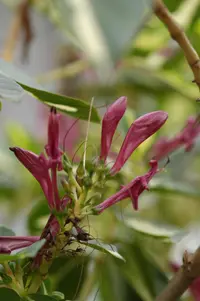
The caricature-plant, Graptophyllum pictum, is a tropical evergreen shrub grown mainly for its striking, patterned foliage. Leaves often show bold patches of cream, pink, or yellow against dark green. It usually forms a compact, branching shrub and can be kept pruned for indoor containers or used as a colorful hedge in warm climates. In its native range of New Guinea and nearby regions, it grows in warm, humid, partially shaded habitats. This plant responds well to steady moisture, good drainage, and bright, filtered light, which makes it relatively straightforward to care for caricature-plant when these basics are met.

Main Plant Requirements

Care Difficulty

Moderate Care

Light Preference

Partial Sun

Water Requirements

Regular Water

Temperature Preference

Tropical / Frost Sensitive

Hardiness Zone

10–11

Soil Texture

Loamy, Sandy, Organic-rich

Soil pH

Acidic (5.5–6.5), Slightly acidic (6.5–7.0)

Soil Drainage

Moist but well-drained

Fertilization

Moderate (every 2–4 weeks)

Get Personalized Care Plan

Scan your plant to receive care tips personalized for your specific plant

Available on iOS and Android

How to Care for the caricature-plant

Graptophyllum pictum grows best in bright, indirect light that mimics dappled tropical shade.

  • Provide 4–6 hours of bright, filtered light daily, such as under a shade tree, morning sun with afternoon shade, or behind sheer curtains indoors.
  • Tolerates partial shade, but in very low light growth becomes sparse and leaf color fades; move gradually to a brighter spot if stems stretch.
  • Avoid harsh midday or all-day summer sun, which can scorch variegated leaves; increase shade or distance from windows during late spring and summer.

This shrub prefers evenly moist but not saturated soil, with slight drying between waterings.

  • Water when the top 2–4 cm of soil feels dry, allowing deeper soil to stay lightly moist; frequency varies from several days in heat to 1–2 weeks in cooler weather.
  • Use a free-draining soil and avoid standing water around roots; yellowing, soft leaves suggest overwatering, while crisp edges and drooping indicate underwatering.
  • Reduce watering in cooler months when growth slows, but never let the root zone stay bone-dry for long, especially for established Graptophyllum pictum in the landscape.

This species prefers consistently warm, frost-free conditions for stable growth.

  • Optimal growth occurs around 65–80°F (18–27°C); plants maintain best foliage color and vigor within this warm range.
  • Avoid temperatures below 50°F (10°C); brief dips to 40–45°F (4–7°C) may be tolerated but repeated cold or any frost can cause leaf drop and stem damage.
  • In hotter climates, plants handle 85–95°F (29–35°C) if soil moisture is maintained and they receive some afternoon shade; protect from drying hot winds and heat-reflective surfaces.

This shrub prefers moderate to high humidity but adapts to many home environments.

  • Aim for 50–70% humidity for best foliage color and vigor in caricature-plant.
  • Dry air can brown leaf tips and edges, and leaves may curl slightly or drop prematurely.
  • Increase humidity with a nearby humidifier, grouped plants, or a pebble tray, rather than frequent misting.

This species grows best in loose, moisture-retentive but fast-draining soil.

  • Use a base of loamy potting mix amended with 20–30% perlite and/or coarse sand for drainage and aeration.
  • Incorporate 10–20% compost or fine bark to increase organic matter and support steady moisture without waterlogging roots.
  • Aim for slightly acidic to neutral pH around 6.0–7.0 to support nutrient availability for Graptophyllum pictum.
  • Avoid heavy clay, compacted mixes, or soil that stays soggy, which promotes root rot and leaf yellowing.

This species is well suited to container growing for patios, balconies, or entryways.

  • Choose a container wide and deep enough to support a bushy root system, leaving room for lateral spread without cramping roots.
  • Select a heavier pot material such as ceramic or thick plastic to stabilize the shrub’s upright, sometimes top-heavy growth in wind.
  • Ensure drainage holes are large and unobstructed so water exits quickly, preventing prolonged saturation at the bottom of the pot.

Graptophyllum pictum responds well to modest, consistent feeding during its active growing season.

  • Use a balanced liquid fertilizer (for example 10-10-10 or 20-20-20) diluted to 1/2 strength for container plants.
  • Feed every 4–6 weeks in spring and summer; skip or reduce to 1 light feeding in fall if growth slows.
  • For outdoor shrubs, apply a thin layer of compost or a slow-release granular fertilizer once each spring.
  • Avoid overfeeding, which can cause weak, soft growth and reduced leaf coloration; always water before and after applying fertilizer.

Thoughtful pruning helps Graptophyllum pictum maintain a dense, compact form and healthy foliage.

  • Plan main pruning for late winter to early spring before strong new growth starts.
  • Use clean, sharp hand pruners to remove dead, diseased, or storm-damaged stems back to healthy wood.
  • Thin out crowded interior shoots to improve light penetration and air flow through the canopy.
  • Tip-trim long, leggy stems to encourage branching and a bushier silhouette, avoiding removal of more than 25% of foliage at once.

Container-grown caricature-plant benefits from periodic repotting to support steady growth and root health.

  • Check for roots circling the pot, pushing through drainage holes, or slow, weak top growth as signs it needs more space.
  • Plan repotting or outdoor transplanting for spring, every 2–3 years or when the root ball is clearly crowded.
  • Move into a container 2–5 cm wider with fresh, well-drained mix, loosening circling roots gently before setting in place.
  • Water thoroughly after moving, keep in bright but indirect light for 7–10 days, and reduce fertilizer until new growth resumes.

New Graptophyllum pictum plants are most often produced from semi-ripe stem cuttings under warm, humid conditions.

  • Take 8–12 cm semi-ripe cuttings in late spring or summer from non-flowering shoots.
  • Remove lower leaves, optionally dip the cut end in rooting hormone, and insert into a sterile, well-drained medium such as perlite and peat.
  • Maintain 70–80°F, high humidity, and bright, indirect light; use a clear cover or humidity dome with occasional ventilation.
  • After firm roots form, gradually acclimate cuttings to normal room humidity and light before potting into standard growing mix.

This tropical shrub is frost-sensitive and needs careful winter management in cool climates.

  • Keep temperatures above 50°F; growth slows markedly below this level and foliage damage can occur near freezing.
  • In USDA zones cooler than 10, grow in containers and move plants indoors or into a heated greenhouse before frost is forecast.
  • Indoors, place in bright light, reduce watering so the top soil layer dries slightly between waterings, and withhold strong fertilization.
  • For in-ground plants in marginal climates, add a 5–8 cm mulch layer around the root zone, keeping material slightly away from stems.

Care Tips

Pinch For Bushiness

Pinch out soft shoot tips every 4–6 weeks during active growth to encourage dense, branching habits and prevent the plant from becoming tall and bare-legged.

Rotate For Even Color

Quarter-turn the pot every 1–2 weeks so all sides receive similar light, which keeps variegation strong and prevents one-sided, lopsided growth.

Regular Leaf Cleaning

Wipe leaves gently with a damp, soft cloth every few weeks to remove dust, improve light absorption, and allow early detection of pests on the patterned foliage.

Prevent Woody Stems

Take semi-ripe tip cuttings from older, woody plants and replant them every 2–3 years to refresh the specimen and maintain a compact, colorful shrub.

Strategic Outdoors Summering

In warm regions, move potted plants outdoors to bright shade in late spring, then bring them back indoors before nights drop below 60°F to boost vigor while maintaining reliable caricature-plant indoor care.

Common Pests and Diseases

Spider mites

This pest often appears on plants grown in warm, dry indoor conditions, causing fine stippling and a dull, dusty look to the leaves. Symptoms include very fine webbing between leaves and stems and gradual leaf yellowing or drop.

Solution

Rinse foliage thoroughly with a firm stream of lukewarm water, including the undersides of leaves, then repeat every few days to break the life cycle. Increase humidity around the plant, isolate it from others, and apply an insecticidal soap or neem oil spray labeled for spider mites, ensuring full coverage of leaf undersides.

Scale insects

These insects attach themselves firmly to stems and leaf veins, appearing as small brown or tan bumps that do not move when touched. This pest sucks sap, leading to yellowing leaves, stunting, and sticky honeydew that can support black sooty mold growth.

Solution

Remove individual scales by gently rubbing with a cotton swab dipped in isopropyl alcohol or by pruning heavily infested stems. Follow with several applications of horticultural oil or neem oil at 7–10 day intervals, focusing on stems and leaf midribs, and keep the plant under observation for new crawlers.

Mealybugs

This pest forms white, cottony clusters in leaf axils, on stems, and sometimes on roots, and may cause leaf curling and slow, weak growth. Honeydew excreted by these insects can encourage sooty mold and attract ants.

Solution

Physically remove visible clusters with cotton swabs dipped in isopropyl alcohol, then wash the plant with lukewarm water and mild insecticidal soap. Repeat inspections weekly, and if needed, apply a systemic insecticide labeled for ornamental foliage plants in severe or persistent infestations, following all label directions.

Leaf spot

This disease causes irregular brown or black spots on leaves, sometimes with yellow halos, which can merge into larger dead patches in warm, humid conditions. Symptoms include premature leaf drop, especially on crowded plants with poor air movement.

Solution

Remove and discard affected leaves promptly and avoid wetting the foliage, especially in the evening. Improve spacing and airflow, water at soil level, and if the problem persists, use a copper-based or other labeled fungicide for ornamental foliage plants, applied according to label directions.

Sooty mold

This disease appears as a black, soot-like coating on leaves and stems that does not usually damage tissues directly but blocks light and reduces photosynthesis. Symptoms include dull, blackened foliage, often following infestations of sap-sucking insects that produce honeydew such as scale, mealybugs, or aphids.

Solution

Control the honeydew-producing insects first, then gently wash the leaves with lukewarm water and a few drops of mild liquid soap to remove the fungal coating. Improve airflow and light, and keep foliage clean to restore normal growth; fungicides are rarely needed if the insect source is managed.

Interesting Facts

Naturally variegated leaves

This species produces stable, genetically determined variegation, with cream, pink, or yellow patches on dark green or purple leaves, rather than variegation caused by virus or nutrient disorder.

Shrub of tropical edges

In its native Malesian range, this plant typically grows as a multi-stemmed shrub along disturbed forest margins, village gardens, and roadsides, rather than deep in closed-canopy rainforest.

Highly variable cultivars

Horticulture has produced many named forms with different leaf colors and patterns, so plants grown under the name caricature-plant can look quite different while all belonging to the same species.

FAQs about caricature-plant

Lack of blooms usually comes from insufficient light, heavy pruning at the wrong time, or low nutrients. Allow bright conditions, avoid cutting branch tips in late winter–spring, and use a balanced fertilizer to support flower bud formation.

Grow Healthy Plants with Botan Care

Keep your plants happy and healthy with plant identification, disease detection, and easy care guidance.

Botan plant care app — identify plants on mobile

Explore More Plants