Bud-drop prevention
Keep the plant in one stable location and avoid sudden changes in light, temperature, or soil moisture, since relocating or allowing it to dry out between waterings often triggers yellowing and drop of unopened flower buds.

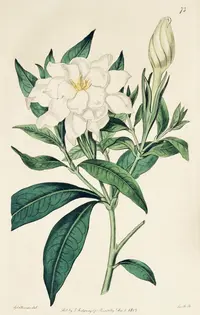
Cape jasmine, Gardenia jasminoides 'Radicans', is a compact, low-growing evergreen shrub often used as a groundcover or cascading accent in containers. It forms dense mounds of glossy, dark green leaves.
This cultivar produces fragrant white flowers that age to creamy shades, standing out clearly against the foliage. It originates from East Asia but is widely grown in warm-temperate and subtropical gardens.
The plant can be moderately demanding, as it reacts poorly to stress from improper light, water, or soil conditions. Knowing how to care for Cape Jasmine helps prevent problems with bud drop, yellowing leaves, and weak growth.
It generally prefers bright light, consistent moisture without waterlogging, and slightly acidic, well-drained soil.

Care Difficulty
Hard Care

Light Preference
Partial Sun

Water Requirements
Keep Soil Moist

Temperature Preference
Tropical / Frost Sensitive

Hardiness Zone
8–11

Soil Texture
Loamy, Sandy, Organic-rich

Soil pH
Strongly acidic (4.5–5.5), Acidic (5.5–6.5)

Soil Drainage
Moist but well-drained

Fertilization
Light (every 4–6 weeks)
Scan your plant to receive care tips personalized for your specific plant
Available on iOS and Android
Gardenia jasminoides 'Radicans' thrives with bright, gentle light that avoids harsh midday intensity.
Gardenia jasminoides 'Radicans' prefers evenly moist, never soggy soil supported by reliable drainage.
This dwarf gardenia grows best in mild, stable temperatures without hard frost or extreme heat.
This plant demands sustained high humidity to flower and keep foliage healthy.
This shrub needs acidic, sharply drained yet moisture-retentive soil to avoid root stress.
This compact gardenia is well suited to container growing outdoors or in bright sheltered spots.
This compact gardenia benefits from consistent, light feeding during the active growing season for reliable flowering and dense foliage.
Thoughtful pruning keeps Gardenia jasminoides 'Radicans' low, dense, and flowering well without exhausting the plant.
This dwarf gardenia dislikes frequent disturbance, so plan repotting or transplanting carefully and only when needed.
Gardenia jasminoides 'Radicans' is most reliably propagated from stem cuttings taken during the warm growing season.
Cold needs vary by region; this plant generally prefers mild winters and protection from hard freezes.

Plant Health Check
Not sure what's wrong with your plant? Check your plant's health inside the app.
This cultivar is a naturally dwarf, prostrate form of gardenia that spreads horizontally and typically stays under about 30 cm tall, forming a dense, mat-like groundcover in suitable climates.
It produces smaller, single to semi-double white flowers compared with many larger gardenia cultivars, but keeps the same strong, sweet fragrance that is characteristic of Cape jasmine.
Compared with many other gardenia selections, this cultivar shows relatively better cold tolerance and is often used in warm temperate landscapes in USDA zones where more tender gardenias struggle.

This cultivar arose as a naturally occurring sport (mutation) of taller gardenia types and was selected and propagated for its compact, trailing growth, which made it valuable for use in mass plantings, low hedges, and cascading over walls in landscape design.
Lack of blooms often comes from insufficient light, low humidity, or incorrect pruning that removes flower buds. Cool nighttime temperatures, balanced fertilizer, and avoiding root disturbance usually improve flowering over time when growing Cape Jasmine.
Keep your plants happy and healthy with plant identification, disease detection, and easy care guidance.