Encourage multi-stems
When plants are young, pinch the soft tips of the main stems in late spring to encourage branching and create a fuller, wind-resistant shrub.

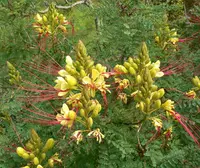
Erythrostemon gilliesii, commonly called yellow bird-of-paradise shrub, is a deciduous ornamental shrub known for its bright yellow flowers and long red stamens. It forms an open, airy shape with fine, feathery leaves that give a light texture in garden borders or dry landscapes.
This species is native to arid regions of South America but is widely grown in warm, dry climates. It is valued for drought tolerance, heat resistance, and ability to handle poor, rocky soils, which makes it relatively easy to care for yellow bird-of-paradise shrub.
It performs best in full sun, with well-drained soil and only occasional deep watering once established.

Care Difficulty
Easy Care

Light Preference
Full Sun

Water Requirements
Low Water

Temperature Preference
Warm Climate

Hardiness Zone
8–11

Soil Texture
Sandy, Loamy, Rocky

Soil pH
Slightly acidic (6.5–7.0), Slightly alkaline (7.0–7.5)

Soil Drainage
Well-drained

Fertilization
Minimal (feed rarely)
Scan your plant to receive care tips personalized for your specific plant
Available on iOS and Android
This desert shrub thrives in strong light and produces best flowering in full sun.
This species prefers deep, infrequent watering once established, with soil allowed to dry between soakings.
This shrub prefers warm, dry conditions and tolerates substantial summer heat once established.
This species is highly tolerant of dry air and usually does not need special humidity management indoors or outdoors.
Erythrostemon gilliesii prefers lean, well-aerated, fast-draining soil that does not stay wet after watering or rain.
This shrub can be grown successfully in containers if the pot is chosen and managed to match its deep, shrubby root system.
This drought-tolerant shrub, including yellow bird-of-paradise shrub, needs only modest feeding in typical garden soils.
Pruning Erythrostemon gilliesii focuses on maintaining an open, balanced form and encouraging flowering wood.
This shrub is usually grown in-ground, so attention centers on careful transplanting rather than frequent repotting.
New plants are most commonly raised from seed, though semi-ripe cuttings can also root under the right conditions.
Mature plants are fairly cold tolerant but young or container-grown specimens benefit from simple winter precautions.

Plant Health Check
Not sure what's wrong with your plant? Check your plant's health inside the app.
This shrub flowers in response to warm-season moisture pulses in its native range of northern Argentina and Uruguay, often flushing new blooms after summer rains rather than following a strict calendar season.
The long red staminal filaments are grouped and splay outward like brushes, positioning the pollen where visiting insects are most likely to contact it while reaching for nectar deep in the yellow petals.
In arid climates the plant often drops most or all of its leaves during prolonged drought or cool periods, conserving water and resprouting quickly once warmth and moisture return.

In parts of the southwestern United States, this South American native has naturalized along roadsides and in disturbed desert soils, where its ability to fix nitrogen and tolerate alkaline, low-organic-matter substrates allows it to persist with minimal rainfall and almost no supplemental water.
Lack of flowers usually comes from too much shade, excess water, or heavy nitrogen fertilizer. Ensure full sun, very well-drained soil, modest watering, and a low-phosphorus, low-nitrogen feeding. Mature wood often blooms better than very young growth.
Keep your plants happy and healthy with plant identification, disease detection, and easy care guidance.