Windbreak planning
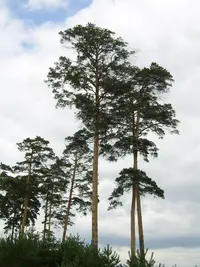
In open or breezy sites, establish a windbreak with taller shrubs or shade cloth on the windward side to reduce branch breakage and flower drop, especially in young trees.

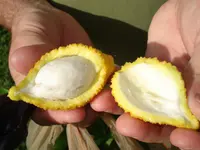
Charichuela (Garcinia madruno) is a small tropical fruit tree from the rainforests of northern South America and Central America. It is mainly grown for its sweet-sour yellow fruits with a thick, bumpy rind and soft segmented pulp. The tree has dense, glossy, evergreen foliage and a compact to medium growth habit, which can suit larger indoor spaces or warm outdoor gardens. It prefers consistently warm, humid conditions, fertile well-drained soil, and protection from strong wind or cold. Sensitive roots and a need for stable moisture make it moderately challenging for beginners, but understanding how to care for charichuela helps improve long-term success.

Care Difficulty
Hard Care

Light Preference
Partial Shade

Water Requirements
Keep Soil Moist

Temperature Preference
Tropical / Frost Sensitive

Hardiness Zone
11–12

Soil Texture
Loamy, Sandy, Organic-rich

Soil pH
Acidic (5.5–6.5), Slightly acidic (6.5–7.0)

Soil Drainage
Moist but well-drained

Fertilization
Minimal (feed rarely)
Scan your plant to receive care tips personalized for your specific plant
Available on iOS and Android
This tropical fruit tree prefers bright, gentle light rather than harsh, all‑day sun.
This evergreen prefers evenly moist, well‑drained soil that never stays soggy for long periods.
This species thrives in warm, frost‑free tropical to subtropical conditions.
This species prefers consistently humid air similar to a tropical understory.
Garcinia madruno performs best in deep, loose, moisture-retentive yet sharply drained soil.
This species can be grown in containers for many years if the pot is chosen and managed carefully.
Garcinia madruno benefits from light, consistent feeding while actively growing, especially in containers.
Pruning Garcinia madruno is mainly done to maintain structure and remove weak growth rather than to control size heavily.
This species is usually grown in the ground, so focus on careful transplanting rather than frequent repotting.
Garcinia madruno is most often propagated from seed, which requires warmth and patience to germinate.
This tropical tree is frost-sensitive and needs protection in regions with cool or freezing winters.

Plant Health Check
Not sure what's wrong with your plant? Check your plant's health inside the app.
This species naturally occurs as a small to medium understory tree in lowland tropical forests of the western Amazon basin, where it grows under partial shade rather than in fully open, exposed sites.
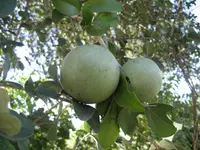
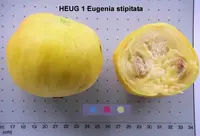
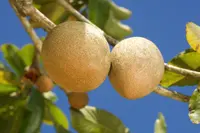
The fruits are flattened and strongly ribbed, somewhat pumpkin-like in outline, with a thick yellow rind enclosing several white, soft, acid-sweet segments that are botanically arillate seeds.
Garcinia madruno belongs to the same genus as mangosteen (Garcinia mangostana), and shares several morphological traits with it, including opposite leaves, yellow latex in the tissues, and segmented, aromatic fruits.
Growth is moderate. Young trees usually add about 20–40 cm per year under warm, consistently moist, nutrient-rich conditions. Cooler temperatures, low light, irregular watering, or nutrient-poor soil slow extension growth and delay the onset of fruiting.
Keep your plants happy and healthy with plant identification, disease detection, and easy care guidance.