Mulch Root Zone
Apply a 5–8 cm layer of pine bark or conifer needles around the base, keeping it a few cm away from the stems, to stabilize soil moisture and maintain the acidic surface conditions this shrub prefers.

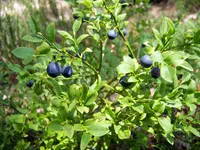
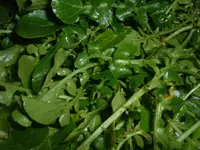
Whortleberry, Vaccinium myrtillus, is a low-growing deciduous shrub in the heath family, related to blueberries. It forms small, bushy clumps with fine branches and small green leaves.
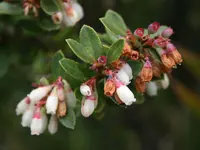
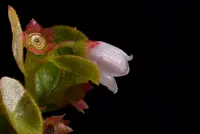
The plant produces pale pinkish urn-shaped flowers followed by dark blue, strongly colored berries that stain fingers and lips. It naturally occurs in cool, acidic woodland and heathland areas across northern and central Europe and parts of Asia.
This species stays compact and spreads slowly, which makes it suitable for informal edging or naturalistic plantings. It prefers acidic, humus-rich soil, steady moisture, and light shade, so learning how to care for whortleberry mainly means matching those cool, forest-floor conditions.

Care Difficulty
Moderate Care

Light Preference
Partial Shade

Water Requirements
Regular Water

Temperature Preference
Cold Hardy

Hardiness Zone
3–7

Soil Texture
Loamy, Peaty, Organic-rich

Soil pH
Strongly acidic (4.5–5.5), Acidic (5.5–6.5)

Soil Drainage
Moist but well-drained

Fertilization
Minimal (feed rarely)
Scan your plant to receive care tips personalized for your specific plant
Available on iOS and Android
Vaccinium myrtillus prefers cool, bright conditions with protection from harsh midday sun.
This species needs evenly moist, acidic, well-drained soil without prolonged drying or waterlogging.
This shrub thrives in cool to mild climates with good cold tolerance but limited heat tolerance.
This species prefers moderately moist air but adapts to typical outdoor humidity.
This shrub needs consistently moist, acidic, well‑aerated soil for reliable growth and fruiting.
This species is suitable for container culture when root space and drainage are managed carefully.
This shrub benefits from light, acid-friendly feeding rather than heavy fertilization.
Pruning Vaccinium myrtillus focuses on light renewal to maintain fruiting and airflow.
This species is usually grown in the ground, but container plants or young shrubs may need careful transplanting.
Vaccinium myrtillus is most often propagated vegetatively to keep desirable traits consistent.
This shrub is naturally cold hardy and usually requires minimal winter care in the ground.

Plant Health Check
Not sure what's wrong with your plant? Check your plant's health inside the app.
Vaccinium myrtillus is the wild bilberry native to Europe and parts of Asia, distinct from American blueberries, with smaller, darker fruits that have deeply pigmented flesh rather than just colored skin.
This species typically forms close associations with ericoid mycorrhizal fungi, which help the shallow roots access nutrients in acidic, nutrient-poor forest soils.
Bilberry commonly dominates the shrub layer in boreal and temperate coniferous forests, where its low stature and shade tolerance allow it to form extensive ground-covering carpets under trees.
The fruits of Vaccinium myrtillus were historically used as a natural marker during World War II pilot vision experiments, and the strong, stable dark pigments from the berries are still studied today as reference compounds in plant pigment and food-color research.
Yellowing foliage usually points to high soil pH, nutrient deficiency (especially iron), or waterlogging. This species needs consistently moist but well-drained, acidic soil. Check pH, improve drainage, and use an acid-forming fertilizer if needed.
Keep your plants happy and healthy with plant identification, disease detection, and easy care guidance.