Rough Hairy Wattle Care (Acacia hispidula)

Also known as: Little Harsh Acacia, Rough-leaved Acacia
Rough Hairy Wattle

About Rough Hairy Wattle

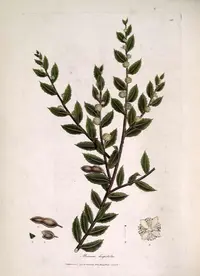
Rough hairy wattle (Acacia hispidula) is a small to medium Australian shrub in the pea family, often used in native gardens and restoration plantings. It typically forms an upright, bushy shape with slender branches and fine, narrow foliage, sometimes with a slightly rough texture.

In season it carries small, yellow, ball-shaped flower clusters that attract insects and add soft color. This species occurs naturally in eastern Australia, often on poor, sandy or rocky soils, which makes it relatively resilient once established.

Understanding how to care for Rough Hairy Wattle is easier if you know it prefers a sunny position, good drainage, and relatively low to moderate moisture, rather than constantly wet conditions.

Main Plant Requirements

Care Difficulty

Moderate Care

Light Preference

Full Sun

Water Requirements

Low Water

Temperature Preference

Warm Climate

Hardiness Zone

9–11

Soil Texture

Sandy, Loamy, Rocky

Soil pH

Acidic (5.5–6.5)

Soil Drainage

Well-drained

Fertilization

Minimal (feed rarely)

Get Personalized Care Plan

Scan your plant to receive care tips personalized for your specific plant

Available on iOS and Android

How to Care for the Rough Hairy Wattle

This shrub prefers bright conditions similar to open woodland edges in its native habitat.

  • Provide 6–8 hours of direct sun daily, ideally with morning sun and light afternoon shade in hot inland summers to reduce leaf scorch risk.
  • Tolerates light or dappled shade for part of the day, but stems may become sparse and flowering reduced if grown in less than 4 hours of direct sun.
  • In very hot regions, site Rough Hairy Wattle where summer midday sun is filtered by high trees, while keeping winter exposure as open as possible.

This species prefers free-draining soil and benefits from drying slightly between waterings once established.

  • In the ground, water deeply, then allow the top 5–8 cm of soil to dry before watering again; in most climates this means less frequent, but more thorough soakings.
  • Reduce watering in cool seasons, only irrigating when foliage begins to look slightly dull or new growth slows, which indicates the root zone has dried.
  • Ensure sandy or gravelly soil with excellent drainage to prevent root rot; signs of overwatering include yellowing lower leaves, while crisp, browning leaf tips suggest underwatering for Acacia hispidula.

This acacia favors mild, low-frost climates typical of coastal or warm-temperate regions.

  • Optimal growth occurs at 65–80°F (18–27°C), with steady temperatures encouraging dense foliage and reliable flowering through the growing season.
  • Tolerates brief drops to about 25–28°F (-4 to -2°C), but young shoots and buds may be damaged; use frost cloth or overhead canopy protection during cold snaps.
  • Handles dry heat up to 95–100°F (35–38°C) if soil is not waterlogged; avoid siting in enclosed heat traps where reflected heat can scorch foliage.

This Australian shrub tolerates a wide humidity range but prefers slightly dry air.

  • Target 30–50% humidity, similar to typical indoor and outdoor conditions in many homes.
  • It copes well with dry air; chronic humidity below 25% may cause marginal leaf browning and finer twig dieback.
  • If air is very dry, group plants together or place the pot on a pebble tray to gently raise local humidity without wetting foliage.

Acacia hispidula prefers lean, sharply drained, slightly acidic to neutral soil.

  • Use a sandy or sandy-loam mix with plenty of mineral material so water passes through in seconds, not minutes.
  • Aim for pH 6.0–7.0; avoid strongly alkaline mixes that can lock up micronutrients and cause chlorosis, seen as yellowing between leaf veins.
  • Combine 50–60% coarse sand or fine gravel with 20–30% loam and 10–20% low-nutrient compost for structure and mild fertility.
  • Never plant in dense clay or heavy peat-based mixes; if native soil is heavy, raise the planting area or grow Acacia hispidula in a free-draining container blend instead.

This species can adapt to container culture for patio or terrace use if drainage is carefully managed.

  • Choose a deep, relatively narrow pot that allows a developing woody root system to anchor the shrub without creating a wide, water-retentive surface zone.
  • Select a sturdy, heavier pot material such as ceramic or thick-walled clay to reduce tipping as the upper growth becomes woody and wind-exposed.
  • Elevate the container slightly on pot feet or bricks so drainage holes clear freely, preventing perched water from saturating the lower root zone after rain or irrigation.

This nitrogen-fixing Australian shrub needs only light feeding in most garden soils.

  • Apply a low-rate, slow-release native plant or low-phosphorus balanced NPK fertilizer once in early spring if growth is weak.
  • Use a light top-dressing of compost around, not against, the stem to support soil life and moisture retention.
  • Dilute liquid feeds to 1/4–1/2 strength and apply only during active growth, every 6–8 weeks at most.
  • Avoid heavy or frequent feeding when caring for Rough Hairy Wattle, and stop all fertilization in fall and winter.

Acacia hispidula responds well to light, timely pruning that maintains shape and health.

  • Carry out main pruning in late winter or immediately after flowering to avoid removing flower buds.
  • Remove dead, diseased, or storm-damaged branches first, cutting back to healthy wood with clean, sharp bypass pruners or loppers.
  • Thin crowded interior shoots to improve light penetration and airflow, which supports sturdier growth and reduces fungal risk.
  • Shorten excessively long stems by up to 1/3 to keep a compact form while preserving the plant’s natural habit.

This shrub is usually grown in the ground, so focus on careful transplanting rather than frequent repotting.

  • Transplant in late winter to early spring when temperatures are mild and soil is workable.
  • Look for signs such as slow growth, roots circling the pot, or a plant becoming top-heavy before moving container-grown specimens.
  • Shift to a slightly larger pot or garden position with free-draining soil, disturbing the root ball as little as possible.
  • Water deeply after transplanting, then keep soil evenly moist but not saturated for 2–3 weeks to limit transplant shock.

This species is most often propagated from seed, which benefits from pre-treatment to break dormancy.

  • Collect mature, dry pods and extract seeds at the end of the growing season.
  • Use hot-water scarification: pour just-boiled water over seeds, let cool, then soak 12–24 hours to soften the coat.
  • Sow in a free-draining, sandy mix, keep at 65–75°F, and maintain lightly moist conditions until germination.
  • Provide bright light and good airflow for seedlings, then harden them off gradually before planting outdoors.

This plant suits mild, frost-free or light-frost climates and needs moderate winter attention in colder areas.

  • Tolerates only light frosts; young plants are more sensitive and can scorch or die back in hard freezes.
  • Apply a 5–8 cm mulch layer around the root zone in late fall, keeping it slightly away from the stem.
  • In cold regions, grow in containers and move plants indoors or into a cool, bright, frost-free shelter for winter.

Care Tips

Encourage Bushy Form

Lightly pinch or tip-prune soft new shoots after flowering to promote a denser, wind-resistant canopy and reduce the risk of branches snapping in storms.

Manage Root Competition

Plant away from thirsty lawn areas and vigorous groundcovers so the fine, shallow roots are not outcompeted, and maintain a clear mulch ring 20–30 cm from the trunk.

Protect From Soil Disturbance

Avoid deep digging, heavy machinery, or frequent replanting near the root zone, as this species resents root disturbance and may decline after major soil disruption.

Plan For Short Lifespan

Acacias are often relatively short-lived, so stagger plantings every 5–7 years to maintain continuous screening or habitat rather than relying on a single mature specimen.

Support Beneficial Insects

Allow flowers to set some seed and avoid broad-spectrum insecticides during bloom to support pollinators and natural predators that help manage sap-sucking pests when growing Rough Hairy Wattle.

Common Pests and Diseases

Acacia psyllids

These insects feed on new growth, causing leaf curling, distortion, and sticky honeydew that can lead to sooty mold on Rough Hairy Wattle foliage.

Solution

Prune out and destroy heavily infested shoot tips, then hose down foliage with a firm stream of water to dislodge remaining psyllids. If needed, apply insecticidal soap or a light horticultural oil, repeating at 7–10 day intervals while monitoring beneficial insects such as lady beetles and lacewings.

Acacia gall wasps

These insects induce small, swollen galls on stems or leaf axes, which can stunt growth and weaken young plants over time.

Solution

Cut off and discard galled stems before adult wasps emerge, disinfecting pruning tools between cuts. Maintain good plant vigor with appropriate watering and avoid excess nitrogen fertilizer, which encourages the soft new growth gall wasps prefer.

Armillaria root disease

This disease, caused by Armillaria fungi in the soil, leads to gradual decline, yellowing foliage, dieback, and eventual death, especially in stressed or poorly drained sites.

Solution

Remove and destroy severely affected plants, including as much of the root system and infected wood as possible. Replant only in well-drained soil away from infected stumps or roots, and reduce stress by avoiding overwatering, soil compaction, and mechanical injury around the root zone.

Phytophthora dieback

This disease affects the roots and lower stem in poorly drained or seasonally waterlogged soils, causing sudden wilting, bronzing of foliage, and progressive branch dieback.

Solution

Improve drainage by raising the planting area, avoiding overwatering, and keeping mulch away from the trunk base. In high-risk areas, consider preventive phosphite (phosphorous acid) trunk or soil treatments under local guidelines and avoid moving contaminated soil or water onto clean sites.

Scale insects

This pest appears as small, fixed bumps on stems and leaves, sucking sap and producing honeydew that encourages sooty mold growth and reduces plant vigor.

Solution

Gently scrape off localized colonies and prune heavily infested twigs, disposing of the material in the trash. For broader infestations, use horticultural oil sprays to suffocate scale during crawler stages, ensuring thorough coverage of stems and leaf undersides while monitoring for natural predators such as parasitic wasps.

Interesting Facts

Rough prickly foliage

This species has characteristically rough, bristly foliage and branchlets, with stiff hairs and small phyllodes that give the shrub a distinctly harsh texture compared with many other wattles.

Heathland specialist

It is naturally associated with coastal heath and low open woodland in eastern Australia, often growing on nutrient-poor, sandy or skeletal soils where many other shrubs struggle.

Post-fire regeneration

In its native range, this wattle is adapted to fire-prone ecosystems and can regenerate from seed after bushfire, benefiting from the flushed nutrients and open light conditions that follow disturbance.

FAQs about Rough Hairy Wattle

Poor flowering usually comes from plants being too young, heavily pruned at the wrong time, or stressed by drought or nutrient-poor soil. Allow it to mature, avoid hard pruning before bud set, and maintain steady, moderate fertility.

Grow Healthy Plants with Botan Care

Keep your plants happy and healthy with plant identification, disease detection, and easy care guidance.

Botan plant care app — identify plants on mobile

Explore More Plants