Encourage Bushy Shape
Pinch or lightly tip-prune young shoots after flowering to encourage a dense, rounded canopy and reduce the risk of branches becoming leggy or wind-prone.

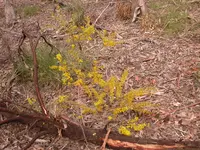
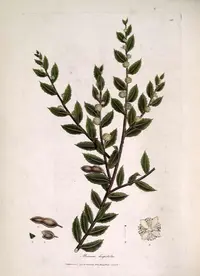
Box-leaved wattle, Acacia buxifolia, is an evergreen shrub or small tree known for its dense, neat habit and fine box-like foliage. It produces soft, golden-yellow pompom flowers along the stems, creating a bright display in late winter or spring.
This species is native to southeastern Australia, where it grows in open woodland and heathland, often on poorer, well-drained soils. It tends to be fast-growing and relatively tough once established, which makes it appealing for low-maintenance gardens.
Acacia buxifolia generally prefers full sun, well-drained soil, and moderate moisture, but it dislikes waterlogging. These traits influence how to care for box-leaved wattle in home landscapes or larger outdoor plantings.

Care Difficulty
Moderate Care

Light Preference
Full Sun

Water Requirements
Low Water

Temperature Preference
Warm Climate

Hardiness Zone
9–11

Soil Texture
Sandy, Loamy, Rocky

Soil pH
Acidic (5.5–6.5), Slightly acidic (6.5–7.0)

Soil Drainage
Well-drained

Fertilization
Minimal (feed rarely)
Scan your plant to receive care tips personalized for your specific plant
Available on iOS and Android
This shrub prefers bright, open conditions similar to dry woodland edges.
This species prefers slightly dry, well-drained conditions once established.
This plant is adapted to mild, low-humidity climates with moderate seasonal variation.
This species tolerates a fairly wide humidity range and rarely needs special adjustment in typical household air.
Acacia buxifolia prefers light, free-draining soil that mimics its native, sandy to rocky habitats.
This species can be grown in containers for several years if the pot setup maintains fast drainage and root stability.
This plant grows well in lean soils, so caring for box-leaved wattle means using fertilizer sparingly.
Acacia buxifolia benefits from light, thoughtful pruning to maintain a dense, healthy shape.
This species is usually grown in the ground, so focus on careful transplanting rather than frequent repotting.
Acacia buxifolia is most often propagated from seed, with some success also possible from semi-hardwood cuttings.
This species is only moderately frost tolerant, so winter care is important in colder regions.

Plant Health Check
Not sure what's wrong with your plant? Check your plant's health inside the app.
The small, flat, opposite leaf-like structures on this species are actually phyllodes, modified leaf stalks that mimic boxwood foliage and are an adaptation to reduce water loss in its native Australian habitats.
This shrub typically produces masses of bright yellow, globular flower heads from late winter into early spring in southeastern Australia, providing an important nectar and pollen source for insects when few other plants are in bloom.
It is naturally found in poor, well-drained soils of sclerophyll forests and woodlands in New South Wales and the Australian Capital Territory, where it contributes to the understorey structure and supports local insect and bird communities.

The species can rapidly colonize disturbed sites within its native range, thanks to hard-coated seeds that remain dormant in the soil until triggered to germinate by environmental cues such as heat or soil disturbance, a strategy that helps it recover after events like bushfires.
This species is evergreen, holding its small, box-like phyllodes year-round. In mild climates it keeps a consistent green structure, making it useful for low-maintenance screening, habitat planting, and providing continuous cover in native-style gardens.
Keep your plants happy and healthy with plant identification, disease detection, and easy care guidance.