7 min read · 6 Aug 2026
Planting Grass Seed in Summer – What Works and What Fails
Summer seeding succeeds when the grass type suits the season, and the soil stays moist. Find out how to prepare the seedbed and choose a safe window for planting.

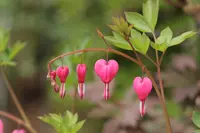
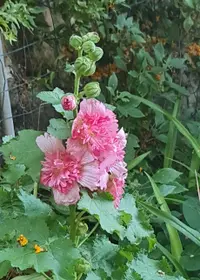
Lamprocapnos spectabilis grows best in loose, humus-rich soil with steady moisture, good drainage, and a slightly acidic reaction for healthy roots.

Soil Texture
Loamy, Silty, Organic-rich

Soil pH
Acidic (5.5–6.5), Slightly acidic (6.5–7.0)

Soil Drainage
Moist but well-drained

Native to China, Korea, and parts of eastern Siberia, Lamprocapnos spectabilis grows in cool woodland settings where soil stays evenly moist and rich in decayed organic matter. That background explains its preference for soft, humus-rich ground that holds moisture without becoming stagnant.
A loose loamy or silty texture suits its fleshy perennial roots because it gives steady moisture, gentle aeration, and room for root growth. The best soil for bleeding heart is moist but well-drained, with a slightly acidic to acidic reaction that supports healthy uptake and steady spring growth.

A simple homemade blend can give Lamprocapnos spectabilis the balance of moisture retention and air space it prefers in containers or raised beds.
The finished mix should feel soft and crumbly, hold together lightly when squeezed, and let excess moisture move through without staying soggy.
A good target for bleeding heart is about 5.5–7.0 pH, with the best performance usually in slightly acidic to mildly acidic soil. That range keeps key nutrients available without pushing the root zone too far toward either extreme.
Lamprocapnos spectabilis can handle a modest shift within that window, but strongly alkaline or very acidic soil may limit how efficiently roots take up nutrients over time.
This species is most sensitive when the root zone stays out of balance for long periods. Check soil conditions first, since several common issues start below the surface.
Dense soil that dries hard or stays heavy can limit root aeration, so gently loosen the surface and improve pore space with fresh organic material.
Persistent wetness, a sour smell, or soil that stays saturated suggests poor oxygen around the roots, so reduce standing moisture and check drainage paths.
If water runs down the sides instead of soaking in, the mix may have become overly dry, so re-wet it slowly and evenly.
Weak growth in old, exhausted media can point to low organic content, so top up with a fresh, humus-rich layer around the crown of Lamprocapnos spectabilis.
Botan helps match this plant to a suitable soil setup, so it is easier to choose a mix that fits its growth habits and root needs.
Yes. A moderately deep pot gives the root system more even moisture and temperature, while shallow containers dry faster and can become unstable as growth expands.
Soil may be part of the issue. Botan’s photo-based assessment can help you check whether the growing medium is worth a closer look.


7 min read · 6 Aug 2026
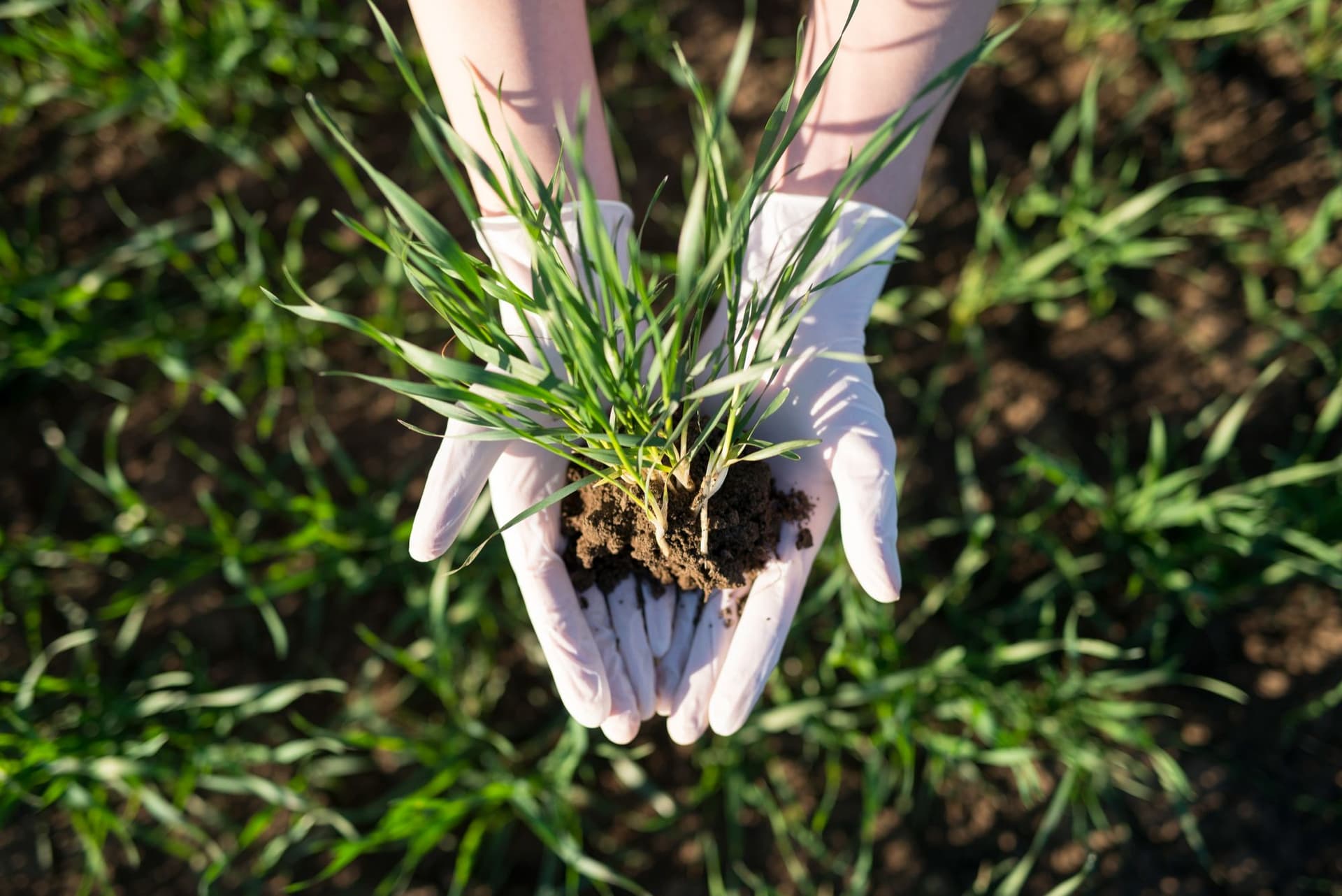
Summer seeding succeeds when the grass type suits the season, and the soil stays moist. Find out how to prepare the seedbed and choose a safe window for planting.

6 min read · 13 Jul 2026
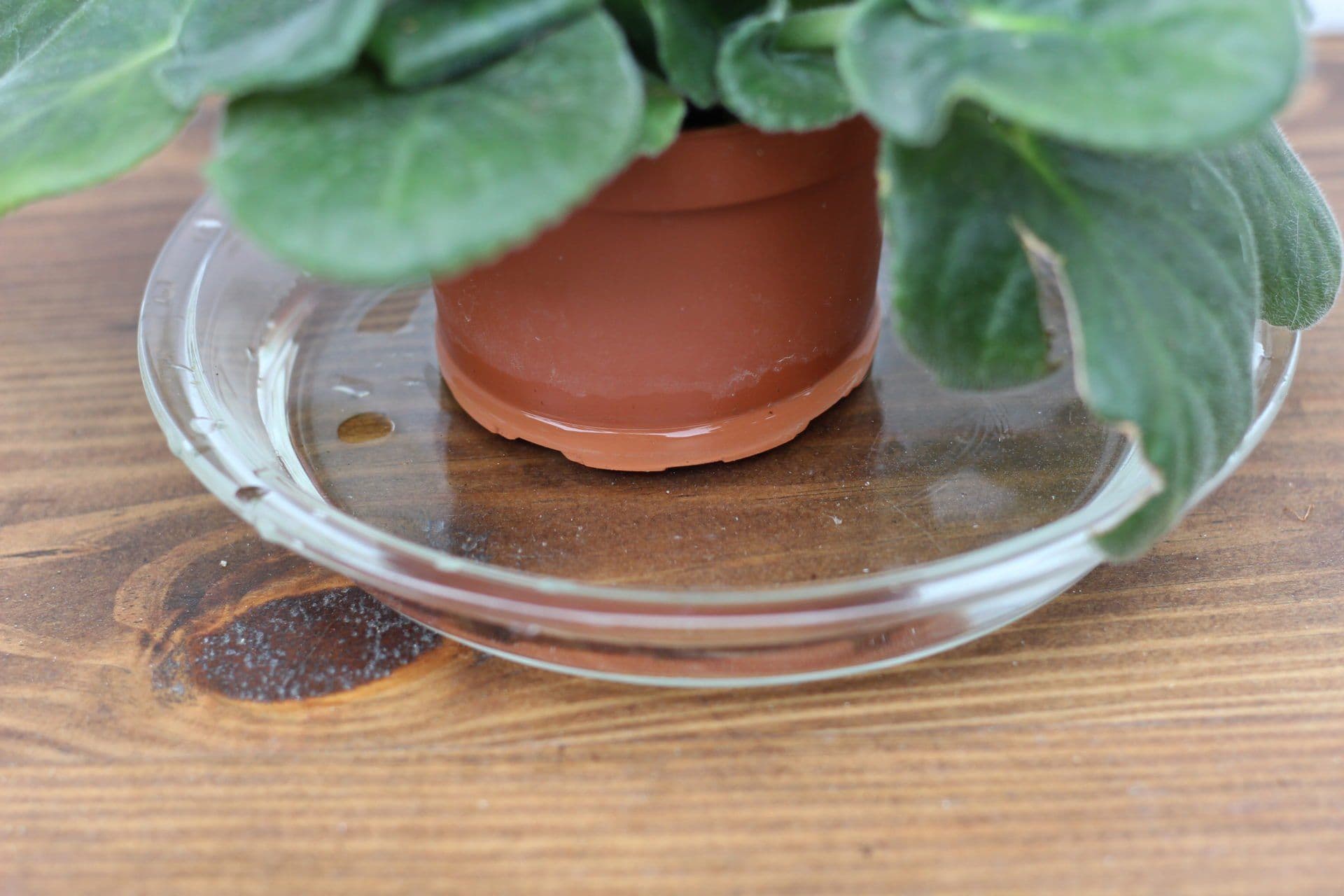
Bottom watering helps soil absorb moisture evenly and keeps foliage dry, reducing the risk of missed dry spots or root problems. Place the pot in a tray of water for a short time, then let it drain well.

7 min read · 18 Nov 2026
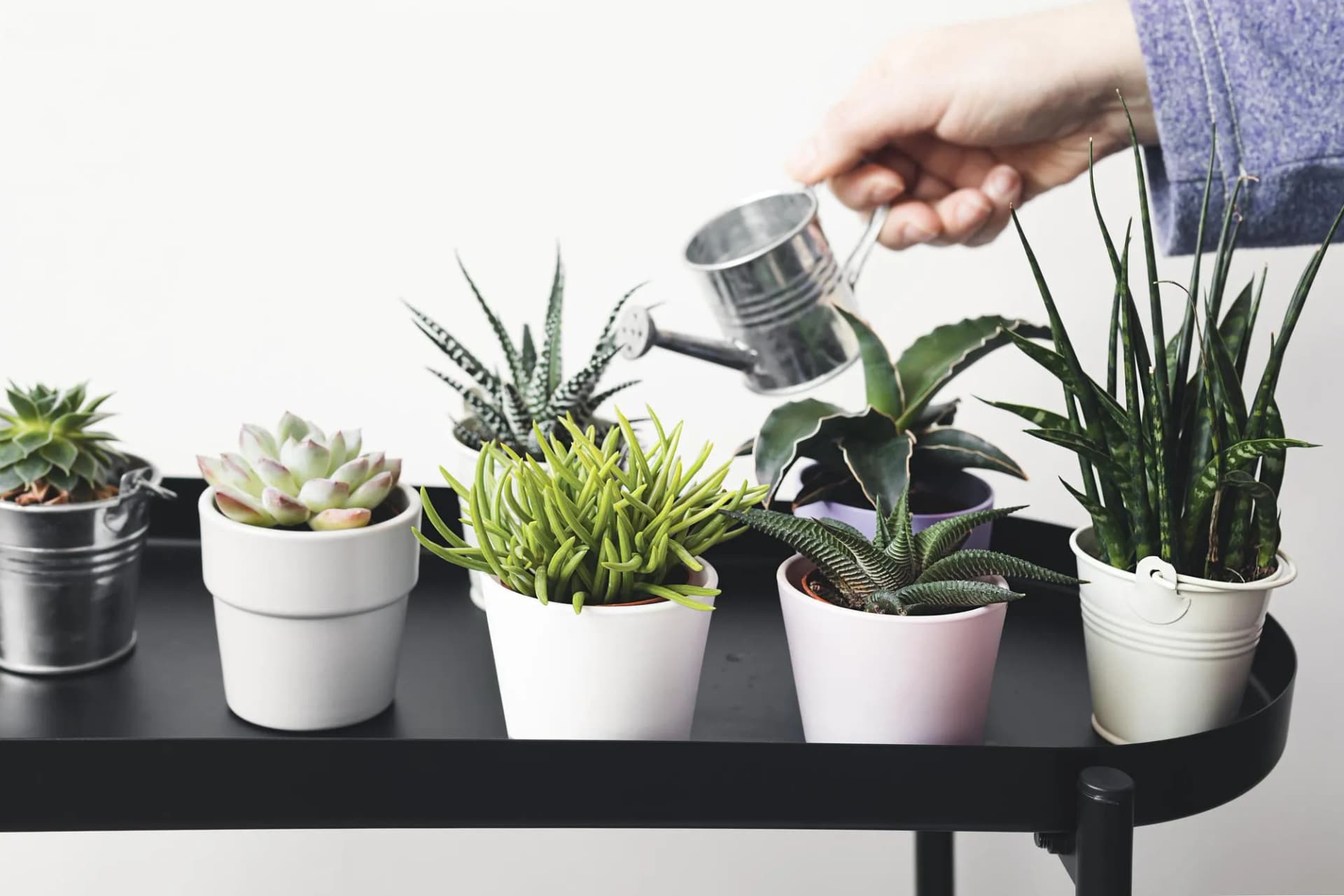
Yellowing, mushy, or shriveled leaves can all point to a watering problem, yet each can have a different cause. This guide explains how to water succulents, when to wait, and how soil, pots, and seasons change the routine.