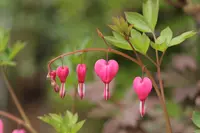
bleeding heart (Lamprocapnos spectabilis) Watering Guide

This page explains when, how often, and how much to water Lamprocapnos spectabilis in straightforward, practical terms.

Water Requirements

Regular Water

Lamprocapnos spectabilis Watering

In partial shade and cool climates, bleeding heart grows where soil stays evenly moist but not saturated. Lamprocapnos spectabilis naturally thrives in woodland settings with consistent rainfall and rich, humus-based ground that never fully dries out.

For watering bleeding heart, aim for steady, moderate moisture that supports foliage without turning the soil soggy. In-ground plants usually need less attention than container-grown ones, which dry more quickly and benefit from closer monitoring before each watering session.

Water when the top 1–2 inches (3–5 cm) of soil feel evenly dry, then recheck frequently during active spring to early summer growth. In the ground, this often means watering about once or twice a week in mild weather. Hot, sunny conditions or containers can shorten the interval noticeably.

Water bleeding heart when the top 1-2 inches (3-5 cm) of soil feel dry, aiming for deep, even moisture.

  • Pour room-temperature water slowly at the base of the plant, keeping foliage and crown as dry as possible.
  • Let water soak until the surrounding soil feels evenly moist, reaching the full root zone without turning muddy.
  • Allow excess water to drain freely from pots or beds, then empty saucers so roots do not sit in standing water.
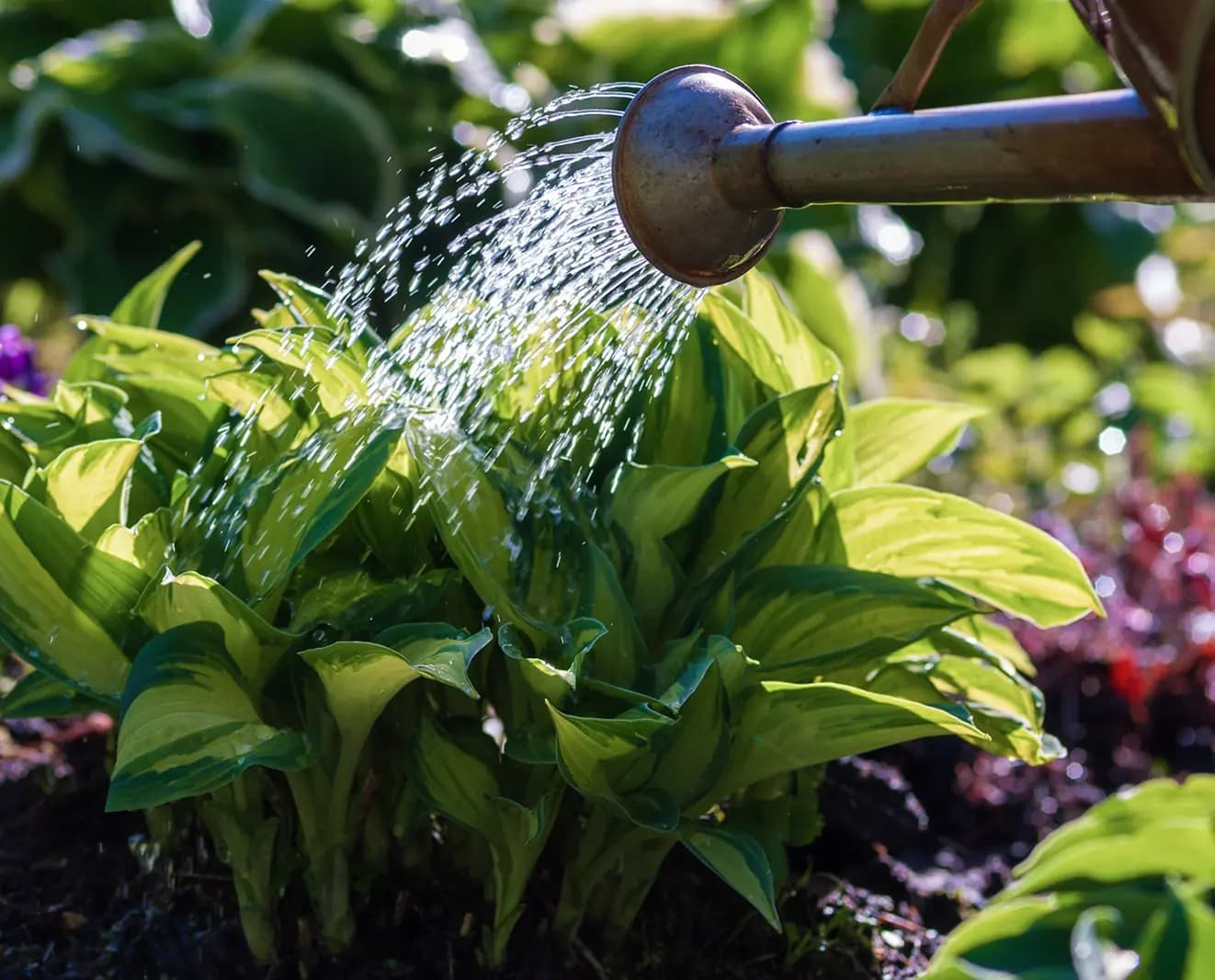
  • Use a narrow-spout watering can or hose on low flow to control placement and avoid disturbing shallow roots.

Incorrect moisture levels can stress Lamprocapnos spectabilis and trigger several avoidable growth problems.

Wilting Foliage:

Stems and leaves droop in warm weather when roots lack consistent, cool, evenly moist soil.

Yellowing Lower Leaves:

Older leaves yellow and drop early when soil swings between very wet and quite dry.

Blackened Stems:

Stem bases darken and collapse after prolonged soggy soil encourages fungal stem and crown rot.

Mushy Roots:

Roots feel soft and brown instead of firm and white following chronic overwatering or poor drainage.

Crisp Leaf Edges:

Leaf margins turn brown and papery when shallow watering fails to moisten deeper root zones.

Keep soil cool and evenly moist with thorough, infrequent watering and good drainage around the roots.

Poor watering habits can weaken Lamprocapnos spectabilis, reducing spring growth and flowering and leaving bleeding heart vulnerable to stress.

  • Rigid watering schedule: Watering by calendar instead of checking soil moisture keeps roots too wet or too dry; test the top layer before watering.
  • Heavy, soggy soil: Using compact garden soil in containers traps water around fleshy roots; choose a loose, compost‑rich mix that drains well.
  • No drainage holes: Planting in pots without holes or blocked holes causes lingering runoff; switch to containers that release excess water quickly.

Aim for soil that stays evenly moist but not saturated, adjusting watering and setup so excess water can always escape.

  • Spring: Increase watering as new shoots emerge, keeping soil consistently moist but not waterlogged to support rapid foliage and flower development.
  • Summer: As foliage yellows and dies back, gradually reduce watering, then keep soil just barely moist while underground roots rest.
  • Fall: Water sparingly outdoors, mainly during extended dry periods, allowing the soil surface to dry between light waterings as dormancy continues.
  • Winter: For in-ground plants, rely on natural precipitation; in containers, water lightly only when soil becomes nearly dry to protect resting roots.

Find the Right Watering Routine for Your bleeding heart

Use Botan for a clear watering guide and practical care steps for Lamprocapnos spectabilis, plus gentle photo-based checks to flag early signs of stress or emerging problems.

Botan plant care app — identify plants on mobile

FAQ

During active growth, keep soil consistently moist, watering when the top 1 inch (2–3 cm) feels slightly dry. In cool, shaded beds, this may mean watering every few days; adjust how often to water in hotter, drier weather.

More Plant Watering Guides

Is Your Watering Routine Hurting Your bleeding heart?

Use Botan to review your watering pattern and adjust it with more confidence.

Watering a plant with a copper watering can
Best Fertilizer for Grass in Summer: How to Choose the Right One

6 min read · 18 Aug 2026

Best Fertilizer for Grass in Summer: How to Choose the Right One

The right fertilizer in summer can make a lawn thrive. The wrong one can damage it. Here, you’ll learn the best NPK ratios by grass type, when and how to apply your formula, and how to recognize the signs of over- or under-fertilizing.

Plant Care
Best Fertilizer for Grass in Summer: How to Choose the Right One
How to Clean Plant Leaves: A Simple Care Guide

6 min read · 4 Aug 2026

How to Clean Plant Leaves: A Simple Care Guide

Dusty leaves look dull and don't absorb light well. Below, you'll find simple ways to clean them, which tools are truly effective, how often you should do it, and what causes damage.

Beginner Guides
How to Clean Plant Leaves: A Simple Care Guide
Best Fertilizer for Vegetable Gardens – What to Use for Each Plant

11 min read · 20 Jul 2026

Best Fertilizer for Vegetable Gardens – What to Use for Each Plant

Here, you’ll find the right fertilizer formula for vegetables in your garden. Learn how to adjust feeding correctly throughout the growing cycle, spot nutrient deficiencies by their symptoms, and keep your plants healthy and prolific.

Plant Recommendations
Best Fertilizer for Vegetable Gardens – What to Use for Each Plant