


Coneflower (Echinacea purpurea 'White Swan') Watering Guide

This page explains when, how often, and how much to water Echinacea purpurea 'White Swan' in typical home conditions.

Water Requirements

Low Water

Echinacea purpurea 'White Swan' Watering

Native to North American prairies with moderate, periodic rainfall, Echinacea purpurea 'White Swan' is adapted to soils that dry slightly between drinks. It prefers light, infrequent moisture rather than constant dampness, so watering Coneflower works best with a let‑it‑dry rhythm.

In garden beds, this drought‑tolerant perennial relies mainly on rainfall, with occasional support in prolonged dry spells. Container plants dry faster and usually need more attentive monitoring, but the same moderate, in‑between moisture level still guides how to water Coneflower.

Water Echinacea purpurea 'White Swan' when the top 1–2 inches (3–5 cm) of soil are completely dry, rather than on a fixed schedule. Established plants in the ground typically need watering only after several dry days, while container plants or those in hot, full sun may need more frequent attention.

Water Coneflower when the top 2 inches of soil feel dry, soaking the root zone evenly and allowing good drainage.

  • Pour water slowly at the base of the plant, keeping the foliage and crown as dry as reasonably possible.
  • Apply enough water to moisten soil 6–8 inches deep, then stop when moisture is absorbed without pooling on the surface.
  • Let excess water drain freely from beds or containers so roots sit in moist, not saturated, soil.
  • In containers, empty saucers or decorative cachepots after watering so no standing water surrounds the root ball.

Improper moisture levels may weaken Echinacea purpurea 'White Swan' and trigger preventable stress symptoms.

Yellowing Lower Leaves:

Older foliage turns pale yellow from persistently soggy soil and reduced oxygen around roots.

Wilting In Damp Soil:

Stems flop despite moist ground, indicating root damage from chronic overwatering or compacted clay.

Stunted Flowering:

Sparse, undersized blooms occur when plants receive frequent shallow watering instead of deep, occasional soakings.

Brown Leaf Edges:

Crisp margins and dull foliage suggest prolonged dry soil and insufficient watering during hot periods.

Keep soil moderately dry between deep waterings, avoiding both waterlogged conditions and extended drought stress.

Unsuitable watering habits weaken Echinacea purpurea 'White Swan', reducing drought tolerance, winter survival, and flowering strength over time.

  • Following a fixed schedule: Watering on a rigid calendar ignores weather and soil changes; instead, check soil dryness near the roots before watering again.
  • Keeping soil too heavy: Dense, poorly drained soil stays wet too long; mix in grit or compost to create a fast-draining, loose structure.
  • Letting pots sit in runoff: Leaving containers in full saucers keeps roots soggy; empty saucers after draining so the mix can partly dry.

Aim for deep, occasional watering in freely draining soil, guided by soil dryness and weather conditions rather than routine alone.

  • Spring: As new growth emerges, water when the top few inches of soil dry, supporting root activity without keeping the soil consistently moist.
  • Summer: In hot, dry spells, water deeply but infrequently, letting soil nearly dry between soakings to prevent stress and promote deeper roots.
  • Fall: Gradually reduce watering as flowering slows, giving only occasional deep drinks during extended dry periods before dormancy.
  • Winter: Once foliage dies back, water sparingly in-ground during prolonged drought, and keep containers just barely moist to avoid root rot.

Find the Right Watering Routine for Your Coneflower

Use Botan for a clear watering guide and care steps for Echinacea purpurea 'White Swan', plus gentle photo-based checks that help notice emerging issues early.

Botan plant care app — identify plants on mobile

FAQ

In the ground, water deeply every 5–7 days during the first growing season, then only during extended dry spells. In containers, check moisture more often; how often to water depends on heat, pot size, and drainage.

More Plant Watering Guides

Is Your Watering Routine Hurting Your Coneflower?

Use Botan to see if your current watering amount needs adjustment.

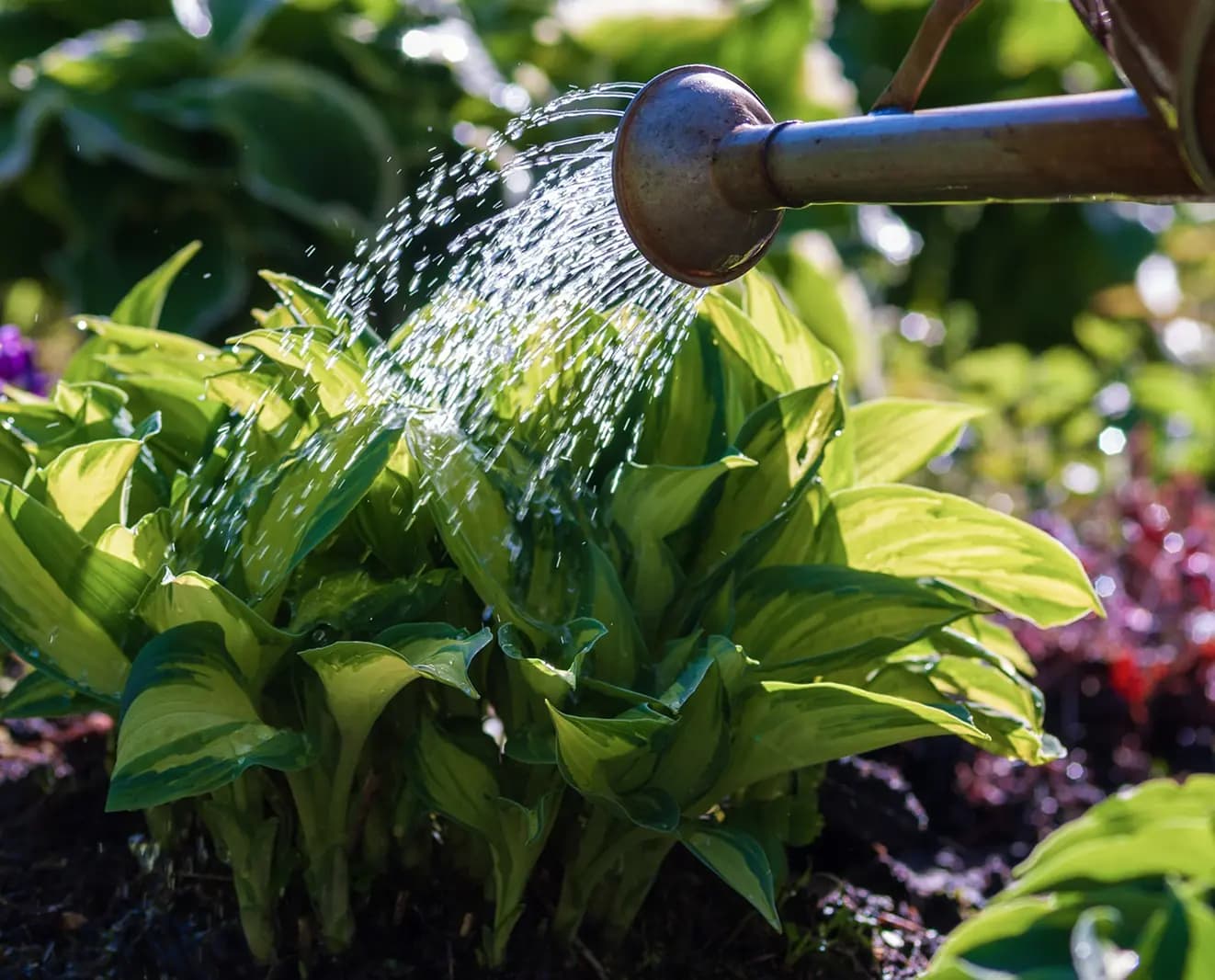
Watering a plant with a copper watering can
How To Revive a Dying Plant: 6 Steps To Bring A Plant Back To Life

6 min read · 1 Sept 2026

How To Revive a Dying Plant: 6 Steps To Bring A Plant Back To Life

Drooping leaves and brown tips don't always mean the end, and a weakened plant can often recover with a little help. These six simple steps will help you revive a dying plant and restore its health.

Plant Care

How To Revive a Dying Plant: 6 Steps To Bring A Plant Back To Life
How Fast Does Bamboo Grow Per Day, Month, and Year

10 min read · 7 Jul 2026

How Fast Does Bamboo Grow Per Day, Month, and Year

Bamboo grows extremely fast: some species can reach 5-6 m in just 3-4 months under the right conditions. This guide explains how much bamboo can grow per day, week, and year, and what affects its growth rate.

Plant Recommendations
How Fast Does Bamboo Grow Per Day, Month, and Year
How to Mist Plants – Proper Technique and Common Mistakes

7 min read · 30 Jul 2026

How to Mist Plants – Proper Technique and Common Mistakes

Find out when misting works well and when to avoid it. Here, you’ll find detailed information about compatible and incompatible species, tips on how often to mist plants and do it correctly, and some great alternatives for raising humidity.

Beginner Guides
How to Mist Plants – Proper Technique and Common Mistakes