





Best Soil for Yarrow (Achillea crithmifolia)

Achillea crithmifolia grows best in loose, well-drained soil with a sandy or loamy texture that supports healthy root spread and steady growth.

Soil Texture

Sandy, Loamy, Rocky

Soil pH

Slightly acidic (6.5–7.0), Slightly alkaline (7.0–7.5)

Soil Drainage

Well-drained

Achillea crithmifolia Soil Guide

Native to southeastern Europe, Achillea crithmifolia is associated with open, sunny ground where soil is often sandy, loamy, or rocky rather than rich and moisture-holding. That background explains its preference for mineral, airy soil that drains quickly after rain.

The best soil for Yarrow stays well drained while still giving roots enough contact with moisture between waterings. Its spreading root system performs best in loose, oxygen-rich soil, where it can move easily and avoid staying wet for long periods. Slightly acidic to slightly alkaline conditions suit it well.

A simple homemade mix can give Achillea crithmifolia the fast drainage and light structure it prefers in containers or planting areas with heavier native soil.

100% total mix = 20 scoops
10%
fine gravel2 scoops
20%
perlite or pumice4 scoops
30%
all-purpose potting soil6 scoops
40%
coarse sand8 scoops

The finished blend should feel loose, gritty, and airy, with water moving through quickly instead of lingering around the root zone.

A good target for Yarrow is about 6.5–7.5 pH. This places it in slightly acidic to slightly alkaline soil, which generally supports balanced nutrient availability without pushing the root zone too far in either direction.

Achillea crithmifolia can handle a fairly neutral range well, but extreme acidity or alkalinity may limit how easily roots take up key nutrients from the soil.

This species is often more sensitive to stale, airless root conditions than to lean soil. For Achillea crithmifolia, check the growing medium before assuming a larger care issue.

Compacted soil:

Compacted soil: If the surface crusts over and water sits briefly before soaking in, loosen the top layer gently and improve airflow around the root zone.

Staying wet too long:

Staying wet too long: Soil that remains heavy for days can stress roots, so check drainage and move excess water out of trays or cachepots.

Hydrophobic mix:

Hydrophobic mix: If very dry soil shrinks from the pot edge and resists wetting, moisten it gradually so the root zone can reabsorb water evenly.

Spent old mix:

Spent old mix: Soil that has broken down into fine particles may drain poorly, so refresh part or all of the growing medium with a coarser structure.

Soil Help, Fast

Botan helps match this plant to a more suitable soil setup by comparing growth habits, container conditions, and visible stress cues.

FAQ

Yes. A pot with enough depth supports steadier root growth and more even moisture distribution, but excessive depth can keep lower layers damp longer than the upper root zone needs.

Everything About Yarrow

More Plant Soil Guides

Check Your Soil Choice

If a plant looks off, soil may be one factor to check. Botan’s photo-based assessment can help point to likely soil-related issues.

Botan app helping with soil and plant care
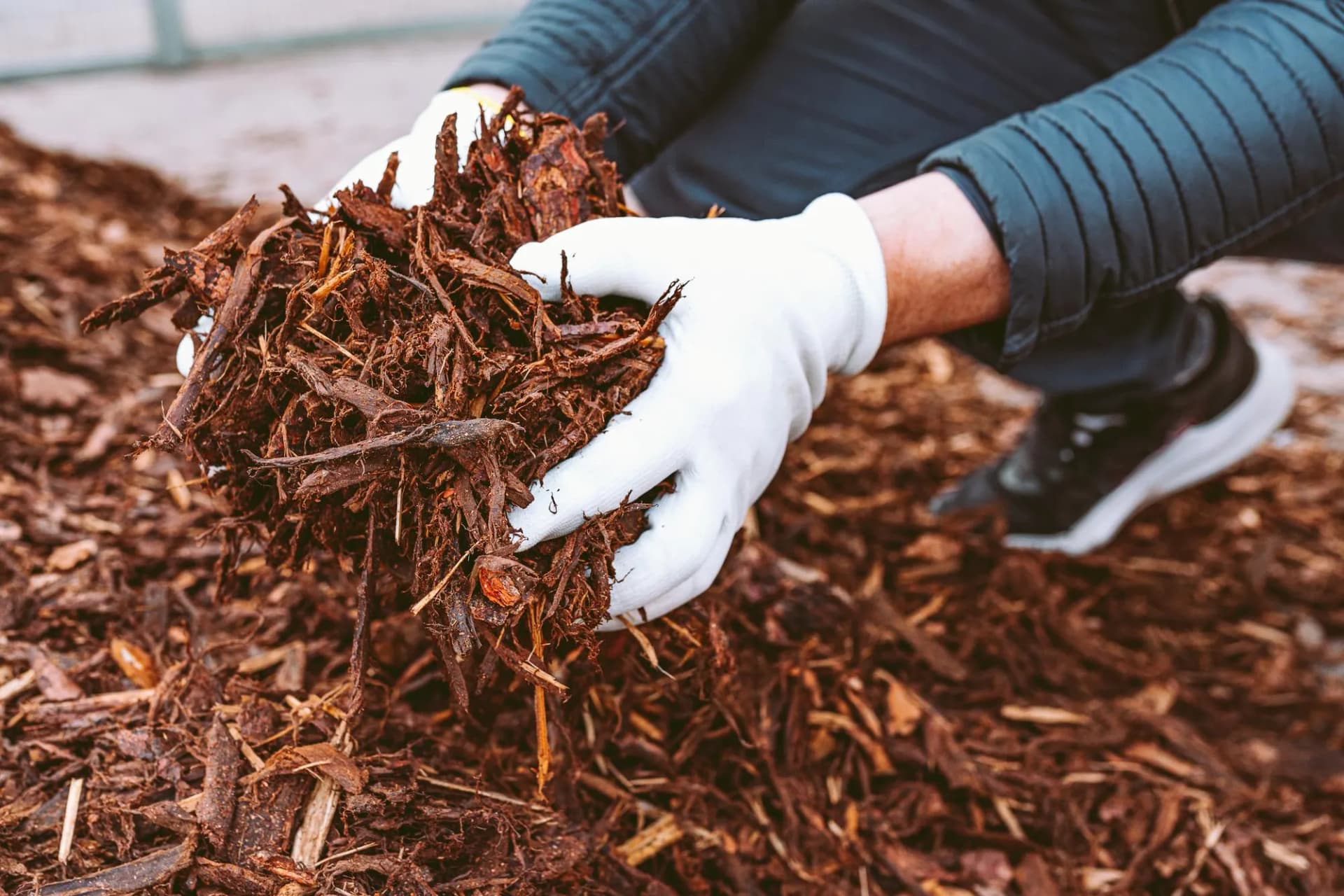
How to Mulch in the Fall and When to Wait Until Spring

5 min read · 12 Nov 2026

How to Mulch in the Fall and When to Wait Until Spring

In the fall, mulch gives the roots of trees and shrubs insulation and more stable conditions through winter. In the spring, it mainly suppresses weeds and keeps moisture in the soil during the growing season.

Beginner Guides
How to Mulch in the Fall and When to Wait Until Spring
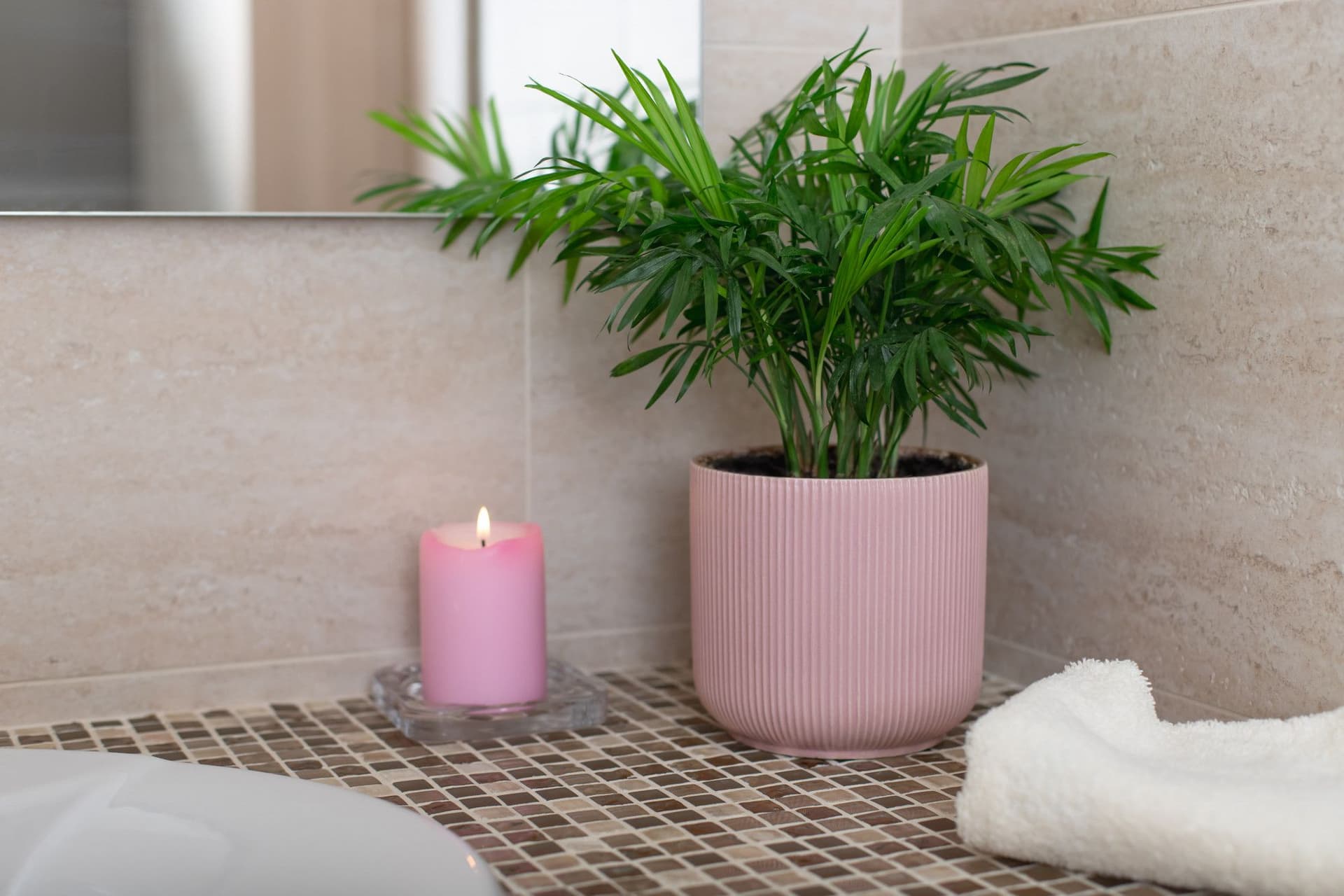
12 Best Plants for Bathroom That Thrive in Humid Conditions

9 min read · 29 Sept 2026

12 Best Plants for Bathroom That Thrive in Humid Conditions

Discover the 12 best plants for bathroom spaces. Each pick comes with its own advantages, plus light, humidity, watering, and placement tips. Take a look and match the plant to your specific bathroom.

Plant Recommendations
12 Best Plants for Bathroom That Thrive in Humid Conditions
How to Bottom Water Plants: Complete Guide

6 min read · 13 Jul 2026

How to Bottom Water Plants: Complete Guide

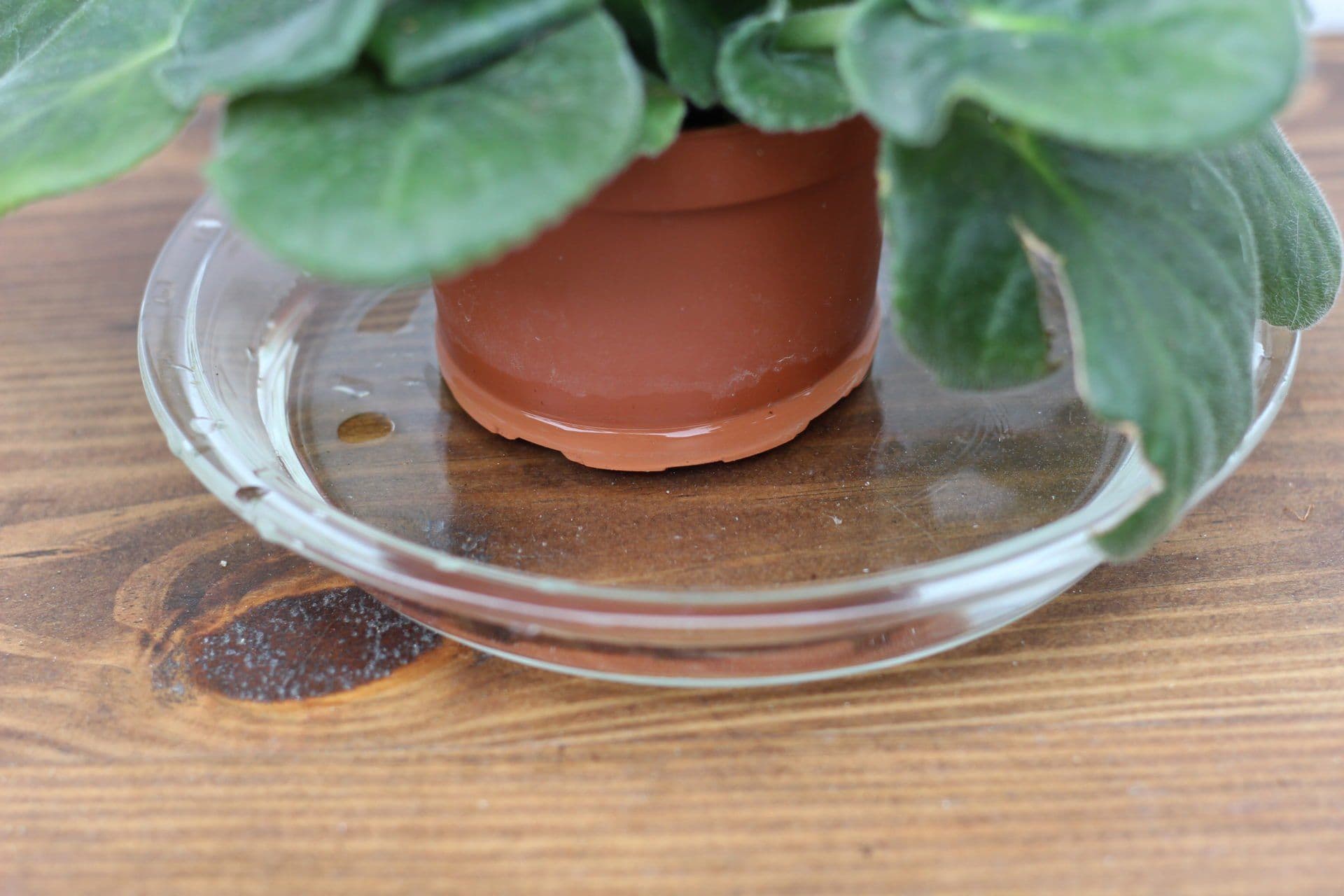
Bottom watering helps soil absorb moisture evenly and keeps foliage dry, reducing the risk of missed dry spots or root problems. Place the pot in a tray of water for a short time, then let it drain well.

Plant Care
How to Bottom Water Plants: Complete Guide