Encourage Compact Growth
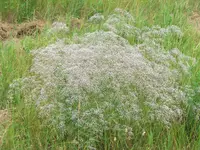
Pinch back soft stem tips once or twice in early spring to encourage branching and a denser flowering habit rather than tall, floppy stems.

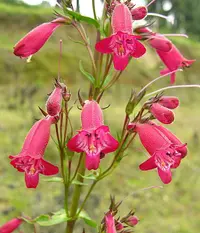
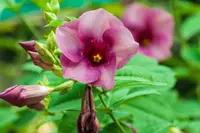
Pinto beardtongue, Penstemon roseus, is a perennial flowering plant valued for its showy tubular blooms and upright, clump-forming habit. It typically carries narrow green leaves and dense spikes of pink to rose-colored flowers that attract bees, butterflies, and hummingbirds.
This species is native to parts of Mexico, where it grows in sunny, open habitats with relatively well-drained soils. It is generally considered moderately easy to grow if given enough light, good drainage, and protection from prolonged waterlogging.
Gardeners who learn how to care for Pinto Beardtongue usually appreciate its combination of ornamental value and resilience in suitable climates, especially in sunny borders and pollinator-friendly plantings.

Care Difficulty
Moderate Care

Light Preference
Full Sun

Water Requirements
Low Water

Temperature Preference
Warm Climate

Hardiness Zone
7–9

Soil Texture
Sandy, Loamy, Rocky

Soil pH
Slightly acidic (6.5–7.0), Neutral (7.0)

Soil Drainage
Well-drained

Fertilization
Minimal (feed rarely)
Scan your plant to receive care tips personalized for your specific plant
Available on iOS and Android
This sun-loving perennial flowers best with strong, direct light in most climates.
This plant prefers infrequent, deep watering and dries slightly between waterings.
This species prefers moderate temperatures and tolerates some cold once established.
This species handles typical outdoor humidity well and rarely needs special humidity control.
Penstemon roseus grows best in lean, sharply drained soil that stays airy around the roots.
This species can be grown in containers if the pot is configured for very fast drainage.
This perennial prefers lean soil, so use light feeding to support flowering without making growth too lush.
Thoughtful pruning helps Penstemon roseus stay compact and produce more flowers.
This species is usually grown in the ground, but careful transplanting keeps plants healthy and flowering well.
Penstemon roseus is commonly propagated from both seeds and softwood cuttings.
This penstemon is moderately cold hardy but benefits from simple winter preparation in colder areas.

Plant Health Check
Not sure what's wrong with your plant? Check your plant's health inside the app.
This species is naturally restricted to high-elevation pine and fir forests of central Mexico, often growing on cool, open slopes where many other ornamentals struggle to survive.
The tubular flowers are a clear rosy pink with paler throats and are larger and more open than many related species, which helps distinguish it in the wild and in cultivation.
Penstemon roseus occurs in a relatively small native range in the Trans-Mexican Volcanic Belt, making it of particular interest in conservation-focused Penstemon roseus plant care discussions.
This species is highly attractive to hummingbirds, native bees, and some butterflies. Tubular flowers provide nectar and shelter. Planting several together in a sunny, open spot creates a reliable feeding station and supports local pollinator populations.
Keep your plants happy and healthy with plant identification, disease detection, and easy care guidance.