Winter Squash Care (Cucurbita maxima 'Blue Hubbard')

About Winter Squash

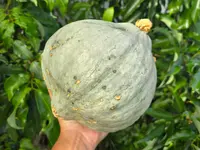
Cucurbita maxima 'Blue Hubbard' is a vigorous winter squash cultivar grown as a warm-season annual vegetable vine. It produces large, heavily ribbed fruits with thick, blue-gray skin and dense, sweet orange flesh valued for storage and cooking.

This squash originates from cultivated forms of C. maxima, with a long history in North and South American agriculture rather than a specific wild habitat. It sprawls across the ground and needs space, but is generally robust once established.

Good resistance to cool nights, strong growth, and long-keeping fruit make it practical for home gardeners, though it needs a full growing season and protection from frost. It prefers full sun, evenly moist but well-drained soil, and benefits from consistent care for Winter Squash.

Main Plant Requirements

Care Difficulty

Moderate Care

Light Preference

Full Sun

Water Requirements

Regular Water

Temperature Preference

Tropical / Frost Sensitive

Hardiness Zone

3–10

Soil Texture

Loamy, Sandy, Organic-rich

Soil pH

Acidic (5.5–6.5), Slightly acidic (6.5–7.0)

Soil Drainage

Moist but well-drained

Fertilization

Moderate (every 2–4 weeks)

Get Personalized Care Plan

Scan your plant to receive care tips personalized for your specific plant

Available on iOS and Android

How to Care for the Winter Squash

Cucurbita maxima 'Blue Hubbard' needs strong sun to produce full-sized, well-ripened fruit.

  • Provide 6–8 hours of direct sun daily, with at least 4 hours of morning sun; south or west exposure in open ground is ideal for growing Winter Squash.
  • Tolerates light afternoon shade in hot regions, but yields may drop if daily sun falls below 5 hours.
  • Avoid dense shade, which causes weak vines and poor flowering, and protect young seedlings from intense midday sun with temporary light shade if leaves scorch.

This squash performs best in evenly moist, well-drained soil that never stays soggy.

  • Water when the top 3–5 cm of soil are dry, soaking the root zone deeply so moisture reaches 15–20 cm down.
  • Reduce frequency once vines are well established, and again in the last 1–2 weeks before harvest to improve fruit storage quality.
  • Ensure soil drains freely to prevent wilted yet wet plants, yellowing leaves, or root rot, which indicate overwatering, while dull, limp leaves and dry soil signal underwatering.

Stable warm conditions are essential for strong vine growth and reliable fruit set.

  • Best growth occurs at 70–85°F (21–29°C); seeds and young plants struggle below 60°F (16°C).
  • Plant outdoors only after frost danger has passed and soil has warmed; foliage and flowers are damaged near 32°F (0°C).
  • Tolerates short heat waves up to about 95°F (35°C) if soil moisture is maintained, but extreme, prolonged heat can reduce flowering and fruit set.

Humidity is usually not a limiting factor for Cucurbita maxima 'Blue Hubbard' grown outdoors.

Cucurbita maxima 'Blue Hubbard' needs loose, moisture-retentive but free-draining soil for strong vines and heavy fruit.

  • Use deep, loamy soil enriched with plenty of compost or well-rotted manure to support vigorous growth.
  • Aim for pH 6.0–6.8; amend acidic soils with garden lime and overly alkaline soils with organic matter such as leaf mold.
  • Improve drainage and aeration by raising beds slightly and incorporating coarse sand or fine grit into heavy clay.
  • Avoid compacted, waterlogged, or very shallow soils, which limit root spread and increase risk of rot in this Winter Squash.

This species is technically possible to grow in containers but is challenging due to its large, sprawling habit.

  • Choose a very large, heavy container (at least 60 L) so the root system can anchor the vigorous vine and support fruit weight.
  • Position the container where vines can spill onto open ground or a sturdy support to prevent overcrowding in the pot area.
  • Use a stable, wide-based pot to reduce tipping risk from long vines and developing fruit acting as counterweights.

This vigorous vining squash benefits from steady nutrients during the warm growing season.

  • Before planting, mix well‑rotted compost into the bed to build soil fertility and structure for Winter Squash.
  • Side‑dress with compost or a balanced 10‑10‑10 granular fertilizer every 4–6 weeks while vines are actively growing and fruiting.
  • Use half‑strength liquid balanced fertilizer every 2–3 weeks for container plants, applied to moist soil.
  • Stop feeding in late season as vines yellow and growth slows, since the plant is annual and has no true winter dormancy.

Pruning is optional for Cucurbita maxima 'Blue Hubbard' but can guide growth and fruit set.

  • In early to mid summer, use clean, sharp pruners to remove dead, diseased, or storm‑damaged leaves and stems.
  • Tip back excessively long vines to keep plants within bounds and direct energy into developing fruits.
  • Thin crowded side shoots so sunlight and air reach the center of the plant, reducing fungal disease risk.
  • Cut spent or rotting fruits off the vine promptly to limit pests and encourage healthy remaining fruits.

This squash is usually started in small pots or cells, then transplanted outdoors once conditions are suitable.

  • Sow in small containers and transplant when seedlings have 2–3 true leaves and roots just fill the plug, before they circle heavily.
  • Move plants outdoors after frost danger has passed and soil reaches about 60°F, typically once nights stay reliably above 50°F.
  • Transplant into rich, well‑drained soil, setting seedlings at the same depth and spacing hills or plants 90–150 cm apart for strong vine growth.
  • Water thoroughly after transplanting, shade for 1–2 days if sun is intense, and avoid disturbing the root ball to reduce stress.

This cultivar is propagated almost entirely from seed each year rather than by vegetative methods.

  • Sow saved or purchased seed in late spring, either indoors 2–3 weeks before last frost or directly into warm garden soil.
  • Provide soil at 70–90°F for best germination, using heating mats indoors if needed for consistent warmth.
  • Plant seeds 2–3 cm deep in loose, well‑drained substrate and keep moisture even but not waterlogged until emergence.
  • Grow seedlings in bright light with gentle air movement so stems stay sturdy before hardening off and outdoor planting.

This annual squash dies back with hard frost and does not need overwintering as a living plant.

  • Allow vines to be killed by frost, then remove and compost healthy debris to lower future disease and pest pressure.
  • Cure harvested fruits in a warm, dry, shaded place with good air flow for 10–14 days, then store at 50–55°F.
  • Mulch the bed lightly after cleanup to protect soil structure and beneficial organisms through winter.
  • In cold regions, plan to resow seed each spring rather than attempting to overwinter plants in containers or beds.

Care Tips

Direct Vine Routing

As vines extend, gently lift and redirect them along a planned path or trellis, avoiding sharp bends, so fruits set where they have space and sun exposure for even ripening.

Under-Fruit Padding

Once fruits are fist-sized, slide a piece of rigid plastic, tile, or a shingle under each to keep them off wet soil, reducing rot and scarring from slugs or uneven ground contact.

Targeted Fruit Thinning

After the first strong fruit on a vine reaches about 8–10 cm, remove weaker or late-set fruits on the same vine so the plant directs its resources into fewer, larger, better-ripened squash.

Strategic Leaf Removal

In late season, selectively remove a few large, shading leaves around maturing fruits to improve airflow and sun exposure while keeping enough foliage for photosynthesis.

Powdery Mildew Management

At the first sign of powdery mildew, remove the most infected leaves and apply a registered fungicide on a 7–14 day schedule, which helps maintain foliage health long enough to finish growing Winter Squash to full maturity.

Common Pests and Diseases

Squash vine borer

This pest is a clearwing moth larva that tunnels inside stems, causing sudden wilting and plant collapse, especially in large-fruited winter squash types. Symptoms include frass (sawdust-like material) at stem bases and hollow, damaged vines.

Solution

Monitor stems from early summer, and at first sign of frass, slit the stem lengthwise with a clean knife to remove larvae, then mound soil over the wounded area to promote new rooting. Use floating row covers until flowering to exclude egg-laying adults, destroy crop residues at season’s end, and in high-pressure areas apply a targeted, labeled biological insecticide (such as Bacillus thuringiensis) to stems just before and during egg hatch.

Squash bugs

These insects suck sap from leaves and stems, causing yellow spots that turn brown and crispy, and can lead to plant decline in mid to late season. Symptoms include clusters of bronze-colored eggs on leaf undersides and foul-smelling adults hiding at the plant base.

Solution

Hand-pick adults and nymphs early in the season, crush or remove egg clusters, and place boards near plants at night to trap bugs for morning removal. Keep plant bases clear of debris, remove old vines after harvest, and in larger plantings consider using row covers early plus targeted, labeled insecticidal soap or neem oil on young nymphs, avoiding blooms and high heat periods.

Powdery mildew

This disease produces white, powdery patches on older leaves, leading to yellowing, reduced photosynthesis, and decreased fruit size in mid to late season. Symptoms include a dusty coating that spreads across leaf surfaces and sometimes petioles.

Solution

Improve air circulation with adequate spacing, water at soil level rather than overhead, and avoid excessive late-season nitrogen. At first sign of infection, remove heavily affected leaves if they are not the only foliage, and apply labeled sulfur, potassium bicarbonate, or biological fungicides regularly according to label directions to slow spread and maintain healthy leaves for ripening fruit.

Downy mildew

This disease causes yellow, angular leaf spots that turn brown and dry, often with a gray-purple fuzzy growth on leaf undersides in humid weather. Severe infections can defoliate vines quickly and expose fruits to sunscald.

Solution

Promote fast drying of foliage by watering in the morning and using wider plant spacing, and avoid overhead irrigation during cool, humid periods. Remove and destroy severely infected leaves, and when regional alerts indicate risk for cucurbit downy mildew, apply appropriate preventive fungicides labeled for edible squash and rotate active ingredients to reduce resistance.

Cucumber beetles

These insects feed on leaves, flowers, and young fruits, leaving shot holes and scarring, and also spread bacterial wilt in some cucurbit crops. This pest is especially damaging to seedlings and young plants of large-fruited winter squash like Blue Hubbard.

Solution

Use floating row covers to protect seedlings until flowering, and remove covers once bees need access. Hand-pick beetles where possible, use yellow sticky traps at plant height to reduce adults, keep weeds down around beds, and in heavy infestations consider spot-treating with a labeled insecticidal soap or other targeted product in the evening when pollinators are less active, following all label directions for edible crops and preharvest intervals as part of Cucurbita maxima 'Blue Hubbard' care.

Interesting Facts

New England heirloom

Blue Hubbard is a 19th-century New England heirloom squash, first popularized in the United States around the mid-1800s and long favored for its reliability and storage quality in cool climates.

Remarkable keeping quality

The very hard, warty rind allows mature fruits to store for several months under cool, dry conditions, which historically made this squash valuable as a winter staple food source.

Dense, dry flesh

Its thick, dry-textured orange flesh is higher in dry matter than many other winter squash, giving it a fine, non-watery texture that holds up well in baking, roasting, and purees.

Botan icon

Did you know?

Individual Blue Hubbard fruits can be extremely large, often reaching 15–20 lb under good growing conditions, and historically some exhibition specimens have been reported at several times that size, making this one of the largest traditional culinary squashes grown in home gardens.

FAQs about Winter Squash

Yes, this variety is fully edible. The rind is very hard but the flesh is dense, sweet, and suitable for roasting, soups, and purees. Seeds can be roasted, provided they are cleaned and cooked thoroughly.

Grow Healthy Plants with Botan Care

Keep your plants happy and healthy with plant identification, disease detection, and easy care guidance.

Botan plant care app — identify plants on mobile

Explore More Plants