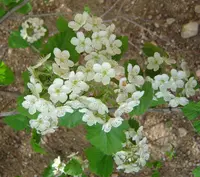
Antonia ovata Care

Antonia ovata

About Antonia ovata

Antonia ovata is a woody climbing plant native to tropical regions of South America, where it grows in forested habitats and along woodland edges. It belongs to a relatively little-known genus, so it is rarely seen in regular home collections.

The plant typically develops slender, twining stems and simple leaves, using nearby shrubs or trees for support. Flowers and fruits, where documented, tend to be modest rather than showy.

Due to limited horticultural information, it is considered a plant for experienced growers who are comfortable adapting care based on observation. In general, it likely prefers warm conditions, consistent moisture without waterlogging, and well-drained soil, so anyone who wants to care for Antonia ovata should be prepared to experiment carefully.

Main Plant Requirements

Care Difficulty

Moderate Care

Light Preference

Partial Shade

Water Requirements

Moderate Water

Temperature Preference

Warm Climate

Hardiness Zone

Unknown

Soil Texture

Loamy

Soil pH

Slightly acidic (6.5–7.0)

Soil Drainage

Well-drained

Fertilization

Minimal (feed rarely)

Get Personalized Care Plan

Scan your plant to receive care tips personalized for your specific plant

Available on iOS and Android

How to Care for the Antonia ovata

This species prefers bright, indirect light with some daily direct exposure in mild climates.

  • Provide 4–6 hours of morning sun or late-afternoon sun; protect from intense midday sun to avoid leaf scorch.
  • Tolerates light partial shade, but prolonged low light reduces flowering and leads to stretched, weak growth in Antonia ovata.
  • In summer, use dappled or filtered light in hot regions; in winter, allow more direct sun by trimming overhead shade or repositioning nearby plants.

This plant prefers evenly moist but not saturated soil with brief drying between waterings.

  • Allow the top 3–5 cm of soil to dry before watering, then soak the root zone deeply so water reaches 15–20 cm down.
  • In spring and summer, monitor soil every few days; in cooler seasons, water less often as growth slows and evaporation decreases.
  • Overwatering shows as yellowing, soft leaves and sour-smelling soil, while underwatering shows as dull, limp foliage and dry, shrinking soil away from the roots.

This species favors a mild, stable climate without hard freezes or extreme heat.

  • Aim for 65–80°F (18–27°C) during active growth for steady development and reliable flowering.
  • Protect the plant when temperatures drop near 40°F (4°C); prolonged exposure below 35°F (2°C) or hard frost can damage foliage and younger stems of Antonia ovata.
  • In hot spells above 90°F (32°C), provide afternoon shade and extra mulch to keep roots cooler and reduce heat stress.

This species benefits from moderately humid air but adapts if conditions are not extremely dry.

  • Aim for 40–60% humidity, as very dry air can slow growth and cause leaf edges to crisp.
  • Tolerates brief drops to 30–35% but prolonged dryness may cause curling leaves and brown tips.
  • Increase humidity by grouping plants, placing a tray of damp pebbles nearby, or using a small room humidifier.

This plant prefers a loose, well‑structured mix that drains freely yet holds moderate moisture.

  • Use a loamy, organic‑rich mix made from roughly 2 parts all‑purpose potting soil, 1 part compost, and 1 part perlite or coarse sand.
  • Ensure rapid drainage so water does not sit around the roots, which encourages rot and fungal problems.
  • Aim for slightly acidic to neutral pH around 6.0–7.0, avoiding strongly alkaline or salty substrates.
  • Break up compaction with coarse particles like perlite or fine bark to keep pore spaces open and roots aerated for Antonia ovata.

This species can be grown successfully in containers when root space and drainage are carefully managed.

  • Choose a pot slightly deeper than it is wide to allow a stable root column and reduce top‑heaviness as stems elongate.
  • Select a heavier material such as ceramic or clay if grown outdoors in windy spots to keep the container from tipping.
  • Raise the pot slightly on feet or blocks so drainage holes stay clear and excess water escapes quickly after heavy watering or rain.

This species usually grows in nutrient-poor soils and needs only modest feeding under cultivation.

  • Use a light dressing of well-rotted compost or a balanced slow-release fertilizer (around 10-10-10) at the start of the growing season.
  • Feed once per year in spring if growth appears weak or foliage pale, avoiding heavy applications.
  • Dilute liquid balanced NPK fertilizer to 25–50% strength for container-grown Antonia ovata only during active growth.
  • Stop feeding in late summer so new growth can mature before cooler weather and natural semi-dormancy.

Pruning is mainly corrective and maintenance-focused for this species rather than structural.

  • Carry out pruning in late winter or very early spring before active growth resumes.
  • Remove dead, diseased, or crossing branches first to maintain airflow and reduce disease risk.
  • Thin congested interior shoots sparingly to preserve the plant’s natural form and stable framework.
  • Use clean, sharp bypass pruners or loppers, making smooth cuts just outside the branch collar.

This species is typically grown in the ground, with transplanting done infrequently and thoughtfully.

  • Plan major moves for late winter or early spring, when the plant is still dormant but soil is workable.
  • Look for signs such as poor vigor, stunted growth, or roots circling inside a nursery container before transplanting.
  • Dig a wide planting hole, loosen encircling roots gently, and keep the root ball intact to limit stress.
  • Water deeply after planting, then maintain even moisture and a 5–8 cm mulch layer, keeping mulch away from the trunk.

Propagation of Antonia ovata is possible but not common for home growers and may be slow.

  • Use fresh seed where available, sowing in a free-draining mix and allowing for a long, uneven germination period.
  • Take semi-hardwood cuttings in late summer, using a sterile blade and optional rooting hormone to improve success.
  • Provide bright, indirect light, high humidity, and stable warmth around 70–75°F for rooting cuttings.
  • Keep the medium just moist, not wet, and avoid disturbing cuttings until new growth clearly appears.

This species is expected to show moderate cold tolerance and usually needs only basic winter care in suitable climates.

  • In colder regions, apply a 5–8 cm mulch layer over the root zone to buffer freeze–thaw cycles.
  • Keep mulch slightly away from the trunk to reduce rot risk during wet winter periods.
  • Container plants in marginal zones should be moved into a cool, frost-free, bright location until spring.

Care Tips

Early structural training

Install a sturdy trellis or horizontal wires when the plant is still young so stems can be gently tied and directed, which prevents wind breakage and creates a stable permanent framework for flowering wood.

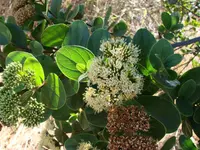
Targeted thinning cuts

After flowering, selectively remove a few of the oldest, most congested stems at the base rather than tip-pruning, which increases air flow, reduces fungal risk, and encourages vigorous new growth from lower buds.

Mulch root zone

Maintain a 5–8 cm layer of coarse organic mulch around, but not touching, the stem to keep roots cool, stabilize soil moisture, and reduce weed competition that can stress the plant.

Preventive pest scouting

Inspect the undersides of leaves and young shoots weekly during warm months and spot-treat early signs of scale or mites with horticultural oil, which is safer and more effective than reacting after a heavy infestation has developed.

Support renewal growth

When strong new shoots appear from the base, choose the best-positioned ones and tie them to the support while removing weak, spindly stems so the plant’s energy is focused on a few well-placed leaders, which simplifies long-term Antonia ovata care.

Common Pests and Diseases

Leaf-miner caterpillars

This pest tunnels inside young leaves, creating pale, winding mines and causing distorted new growth on shoots and twigs.

Solution

Prune and destroy heavily mined shoot tips as soon as damage appears, then inspect flushes of new growth weekly and hand-pick visible caterpillars. Where pressure is high, use a targeted Bacillus thuringiensis (Bt) spray on young foliage in the late afternoon, and encourage natural predators by avoiding broad-spectrum insecticides.

Scale insects

These insects attach along stems and leaf midribs, forming small, raised bumps that exude sticky honeydew and can lead to sooty black growth on surfaces.

Solution

Gently scrape or wipe off scales with a cotton pad dipped in isopropyl alcohol, then rinse foliage with water to remove honeydew. For larger plants, apply a horticultural oil spray to thoroughly coat stems and leaf undersides, repeating after 7–10 days while monitoring for ant activity that may protect the scale colony.

Leaf spot complex

This disease causes irregular brown or purplish spots on leaves, sometimes with yellow halos and premature leaf drop on younger stems.

Solution

Remove and discard affected leaves promptly and avoid overhead watering to keep foliage dry, especially in the evening. Improve airflow by thinning crowded branches, and if spotting continues during warm, wet weather, apply a labeled copper-based or chlorothalonil fungicide to new and existing foliage according to Antonia ovata care instructions.

Twig blight

This disease leads to browning and dieback of young twigs, often starting at the tips and progressing inward, sometimes following mechanical damage or stress.

Solution

Prune out affected twigs 10–15 cm below visible damage with clean, disinfected tools and dispose of clippings away from the planting area. Reduce plant stress by maintaining even soil moisture and mulching the root zone, and in persistently wet climates consider a preventative fungicide spray at the start of the main growth flush if blight has occurred before.

Interesting Facts

Neotropical liana habit

This species is a woody climber native to the neotropical savannas and forests of northern South America, where it scrambles over other vegetation instead of forming a self-supporting tree or shrub.

Loganiaceae family link

It belongs to the Loganiaceae, the same family that includes several chemically complex genera; members of this family are often studied for their specialized secondary metabolites, although the chemistry of this particular species is not yet well characterized.

Habitat specificity

Field records indicate that it is frequently associated with seasonally dry or savanna-like habitats, suggesting adaptation to climates with a marked dry season and strong sunlight exposure.

FAQs about Antonia ovata

Lack of flowers usually comes from insufficient light, nutrient imbalance, or pruning at the wrong time, which removes flower buds. Check that the plant receives appropriate light, moderate feeding, and only light shaping after its main flowering period.

Grow Healthy Plants with Botan Care

Keep your plants happy and healthy with plant identification, disease detection, and easy care guidance.

Botan plant care app — identify plants on mobile

Explore More Plants