Encourage Deep Roots
During the first 3–4 years, water less often but for longer sessions to encourage deep root growth that improves drought and wind resistance when growing Shortleaf Pine.

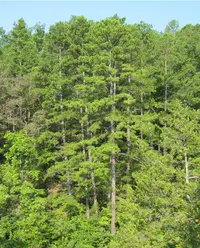
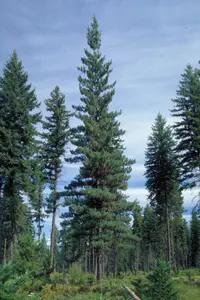
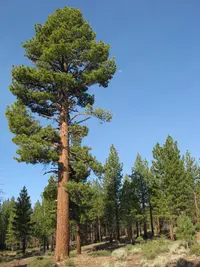
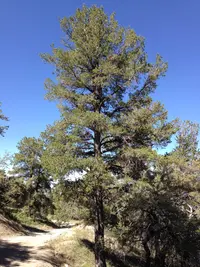
Shortleaf pine, Pinus echinata, is an evergreen conifer native to the southeastern United States. It typically forms a straight trunk with a narrow, open crown and fine-textured needles. Needles usually appear in pairs or threes and are relatively short, giving the tree a more delicate look than many other pines. Bark on older trees becomes thick and plated, which helps protect it from periodic fire in its native habitats.
This species grows naturally on dry, acidic, often rocky soils in woodlands and mixed pine–oak forests. It is generally hardy and adaptable once established, but young trees need good drainage and full sun. Understanding how to care for Shortleaf Pine starts with placing it in conditions that match its native, well-drained, sunny sites.

Care Difficulty
Moderate Care

Light Preference
Full Sun

Water Requirements
Low Water

Temperature Preference
Cold Hardy

Hardiness Zone
6–9

Soil Texture
Sandy, Loamy, Rocky

Soil pH
Strongly acidic (4.5–5.5), Acidic (5.5–6.5)

Soil Drainage
Well-drained

Fertilization
Minimal (feed rarely)
Scan your plant to receive care tips personalized for your specific plant
Available on iOS and Android
This pine species prefers full sun for strong, balanced growth in most landscapes.
This species is drought tolerant once established but needs careful watering during early years and in dry spells.
This pine is adapted to a wide outdoor temperature range and suits many temperate to warm climates.
This pine tolerates a wide humidity range and rarely needs special humidity management outdoors.
Pinus echinata prefers mineral, well-drained soils that prevent standing water around the root zone.
This species can be grown in containers for a limited time, mainly as a young tree or for bonsai.
This native conifer usually needs little feeding in the ground, but light fertilization supports young or container-grown Shortleaf Pine.
Pruning Pinus echinata focuses on safety and structure rather than frequent shaping.
This pine is usually grown in the ground, so focus on correct transplanting rather than frequent repotting.
Pinus echinata is mainly propagated from seed, which is slow but reliable for forestry and restoration uses.
This species is cold hardy in much of its native range and usually needs minimal winter care in the landscape.

Plant Health Check
Not sure what's wrong with your plant? Check your plant's health inside the app.
Shortleaf pine has a remarkable ability to survive low-intensity ground fires, especially in its juvenile stage, thanks to its thickening bark and the ability of young stems to resprout from basal buds after being top-killed.
Its needles often appear in mixed lengths on the same tree, with some populations showing both shorter and longer needles, a trait that helps distinguish it from similar southern pines in the field.
This species naturally hybridizes with loblolly pine (Pinus taeda) where their ranges overlap, and these hybrids can complicate field identification and have been studied for their genetic and growth characteristics.

Shortleaf pine is one of the few eastern North American pines capable of producing new shoots from dormant buds on the stem after fire damage, an uncommon resprouting ability among pines that gives it a strong competitive advantage in frequently burned ecosystems.
This species grows at a moderate rate, typically adding 30–60 cm per year under good site conditions. Growth slows on dry, compacted, or nutrient-poor soils, and young trees often grow faster than older, established specimens.
Keep your plants happy and healthy with plant identification, disease detection, and easy care guidance.