Limber Pine Care (Pinus flexilis)

Also known as: Rocky Mountain White Pine, squirrel pine
Limber Pine

About Limber Pine

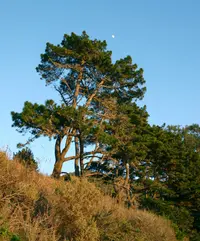
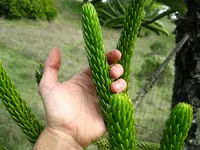
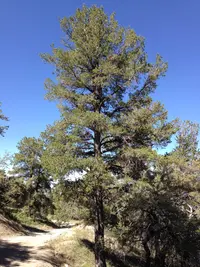
Limber pine, Pinus flexilis, is a long-lived coniferous tree known for its flexible branches and attractive blue-green needles. It typically grows with an irregular, rounded crown and a strong central trunk.

This species is native to high mountains of western North America, where it tolerates cold, wind, and rocky slopes. Its slow growth and natural toughness make it relatively forgiving once established.

Many gardeners choose limber pine as a landscape tree in dry, sunny sites where other conifers struggle. Light, well-drained soil and full sun exposure support healthy growth and make it easier to care for Limber Pine.

Main Plant Requirements

Care Difficulty

Moderate Care

Light Preference

Full Sun

Water Requirements

Low Water

Temperature Preference

Cold Hardy

Hardiness Zone

4–7

Soil Texture

Sandy, Loamy, Rocky

Soil pH

Acidic (5.5–6.5), Slightly acidic (6.5–7.0)

Soil Drainage

Well-drained

Fertilization

Minimal (feed rarely)

Get Personalized Care Plan

Scan your plant to receive care tips personalized for your specific plant

Available on iOS and Android

How to Care for the Limber Pine

This high-elevation conifer thrives in open, bright sites with long hours of sun.

  • Provide 6–8 hours of direct sun daily; full sun is ideal, with morning and midday light especially beneficial.
  • Limber Pine tolerates light partial shade, but dense shade causes thin growth, sparse needles, and reduced vigor over several seasons.
  • In hot, lowland sites, protect from intense late-afternoon sun with very light shade or neighboring trees to reduce scorch on young needles.

This species is drought-tolerant once established and prefers infrequent, deep watering.

  • During the first 2–3 years, water when the top 5–8 cm of soil feels dry, soaking the root zone rather than giving light, frequent sprinkles.
  • Ensure sharply draining soil or a sloped site; persistent wetness, sour smell, or yellowing, dropping needles suggest overwatering and possible root rot.
  • Mature Pinus flexilis in the ground usually needs only occasional deep watering during extended summer droughts, but drooping, dull needles signal thirst.

This hardy mountain pine is adapted to cold climates and wide temperature swings.

  • Active growth occurs best around 55–75°F (13–24°C), especially during spring and early summer when soil moisture is moderate.
  • Established trees tolerate winter lows near -30°F (-34°C) with normal frost and snow, as long as roots are not standing in frozen, waterlogged soil.
  • Heat tolerance is moderate; brief periods to 90–95°F (32–35°C) are acceptable if soil does not dry completely, but prolonged extreme heat can stress needles and buds.

This species is adapted to dry mountain air and usually does not need managed humidity.

Pinus flexilis prefers mineral, well-aerated soil that mimics its native rocky slopes.

  • Use a sandy or gravelly loam with 30–60% coarse mineral material such as pumice, grit, or small gravel to keep pores open.
  • Ensure very fast drainage; avoid heavy clay or mixes with high peat that hold water around the roots for long periods.
  • Aim for slightly acidic to neutral pH, around 6.0–7.0, adjusting with elemental sulfur or garden lime if needed.
  • In containers, combine pine bark fines, coarse sand, and a small amount of compost to maintain structure, aeration, and slow nutrient release.

This species can be grown long term in containers if the root system has enough depth and the pot is stabilized.

  • Choose a deep, heavy container that resists tipping and allows the strong taproot and anchoring roots to extend downward.
  • Use a sharply draining mix and elevate the pot slightly on feet or bricks so runoff water never pools under the base.
  • Position the container where wind exposure is filtered by a wall or other barrier to reduce rocking that can loosen roots in the substrate.

This slow-growing conifer needs modest feeding, especially when young or container-grown Limber Pine is establishing.

  • Use a balanced slow-release fertilizer (for example 10-10-10) or light compost top-dressing in early spring.
  • Apply once in spring; in very poor soils, repeat lightly in mid-summer.
  • Reduce or skip feeding in fall and winter, when growth is minimal.
  • Use about half the label strength for container plants to avoid salt buildup and root burn.

Pruning Pinus flexilis is usually light and focused on maintaining health and a natural form.

  • Carry out any shaping or corrective pruning in late winter to early spring, before active growth.
  • Remove only dead, diseased, crossing, or storm-damaged branches using clean, sharp bypass pruners or a pruning saw.
  • Limit cuts to smaller branches to preserve the tree’s natural structure and prevent large wounds.
  • Avoid cutting back into old, bare wood, as new buds do not form readily there.

This pine is rarely kept long-term in containers, so care focuses on careful transplanting of young trees.

  • Transplant in early spring or early fall when temperatures are mild and soil is workable.
  • Look for roots circling the container, slow growth, or the root ball drying very quickly as signs it needs a larger site.
  • Move up only 1–2 pot sizes or into a permanent ground location with well-drained soil.
  • Handle the root ball gently, keep roots moist throughout the process, and water deeply afterward to settle soil and reduce stress.

Propagation of Pinus flexilis is usually done from seed and is considered slow and specialized.

  • Collect ripe cones in late summer to fall, then extract and clean the seeds.
  • Provide cold stratification at about 34–41°F for 6–12 weeks by storing moist seed in the refrigerator.
  • Sow in a free-draining, gritty medium, keeping it just lightly moist and in bright, cool conditions.
  • Recognize that germination can be irregular and seedlings grow slowly, making nursery-grown plants more practical for most gardeners.

This species is naturally cold hardy and generally needs little special winter care once established.

  • Tolerates deep frost when planted in the ground, provided soil drains well and does not stay waterlogged.
  • Apply a 5–8 cm mulch layer around the root zone in late fall, keeping it away from the trunk.
  • For container plants, move pots to a sheltered, unheated but frost-free or slightly protected spot to prevent root freezing.

Care Tips

Stake Young Leaders

For the first 3–5 years, loosely stake the central leader to a sturdy pole to keep it upright and prevent wind from creating multiple competing tops that weaken the tree structure.

Windward Branch Selection

In exposed sites, selectively thin or shorten long, windward branches in late winter to reduce sail effect and minimize breakage during storms while maintaining the natural form.

Root Collar Protection

Keep mulch and soil pulled back 5–8 cm from the trunk so the root collar stays dry and exposed, which reduces risk of rot and bark canker development.

Encourage Deep Roots

During the establishment phase, water less frequently but more deeply and extend the watering zone a little beyond the drip line to encourage a wide, deep root system that improves drought and wind resistance when growing Limber Pine.

Snow Load Management

In heavy snow regions, gently brush accumulated wet snow off flexible branches with a broom, working from the base upward, to reduce bending stress and potential cracking.

Common Pests and Diseases

Mountain pine beetle

This insect bores under the bark, disrupting water and nutrient flow and often causing rapid decline or death of trees. Symptoms include reddish boring dust at the base, pitch tubes on the trunk, and crown browning from the top down.

Solution

Prevent infestation by keeping trees healthy, avoiding mechanical injury, and not stacking fresh pine firewood nearby. In areas with known beetle pressure, consult a local arborist or extension service about timing of trunk-applied preventive insecticide sprays for high-value trees, and promptly remove and dispose of heavily infested trees to reduce local beetle populations.

White pine blister rust

This disease is caused by a fungus that needs both currant/gooseberry (Ribes) shrubs and 5-needle pines to complete its life cycle. Symptoms include yellow to orange spots on needles, swollen or cankered bark, and oozing orange fungal blisters that can girdle branches or the trunk.

Solution

Reduce risk by not planting Ribes species near limber pine and by pruning out infected branches at least 10–15 cm below visible cankers during dry weather. For high-value specimens in regions where the disease is common, follow local Pinus flexilis care guidelines and consult forestry or extension specialists about resistant seed sources and regional management recommendations.

Pine needle scale

These insects appear as small white, elongated scales on needles, causing yellowing, reduced vigor, and premature needle drop when populations are high. This pest weakens trees, especially those already stressed by drought or poor site conditions.

Solution

Improve tree vigor through proper watering during dry spells and avoiding soil compaction, then target crawler stages with a well-timed application of horticultural oil or an appropriate insecticide as recommended by a local extension service. On small trees, lightly infested needles can be pruned out and destroyed, and branches can be washed with a strong water spray to remove some scales before treatment.

Dwarf mistletoe

This parasitic plant invades branches and stems, stealing water and nutrients and forming characteristic dense, broom-like clusters of twigs. Symptoms include stunted growth, witches’ brooms, and reduced overall vigor over several years.

Solution

Prune out infected branches back to the trunk or to a healthy lateral branch during dry weather, and remove severely infested trees if practical to protect nearby pines. Maintain good stand spacing or avoid overcrowding when planting, which limits spread by reducing the chance of mistletoe seeds reaching neighboring trees.

Sooty mold from aphids

These insects feed on sap and excrete sticky honeydew that allows dark, sooty mold fungi to grow on needles and bark surfaces. Symptoms include sticky foliage, black surface growth, and sometimes ant activity on the tree.

Solution

Focus on reducing aphid populations by spraying branches with a firm jet of water, encouraging natural predators such as lady beetles, and using insecticidal soap or horticultural oil where needed. Once honeydew and aphid numbers drop, new growth will be clean; light sooty mold on needles can be left to weather off naturally or gently rinsed during regular maintenance.

Interesting Facts

Remarkably flexible branches

Limber pine branches are unusually pliable and can be bent sharply without breaking, an adaptation that helps them shed heavy snow loads at high elevations and survive strong winds.

High-elevation specialist

This species commonly grows near or at treeline in the Rocky Mountains and Great Basin, tolerating cold, dry, and nutrient-poor sites where few other trees can persist.

Nutritious wildlife seeds

Its large, wingless seeds are rich in fats and are an important food source for birds such as Clark’s nutcracker and small mammals, which also act as key seed dispersers.

Botan icon

Did you know?

Some limber pines are among the longest-lived trees in North America, with well-documented individuals exceeding 1,000 years in age in high-elevation Rocky Mountain stands.

FAQs about Limber Pine

This species grows slowly, typically adding 15–30 cm per year under good conditions. Growth is slower in harsh, windy, or very dry sites. As a long‑lived mountain conifer, it prioritizes resilience over rapid height gain.

Grow Healthy Plants with Botan Care

Keep your plants happy and healthy with plant identification, disease detection, and easy care guidance.

Botan plant care app — identify plants on mobile

Explore More Plants