Sheep's Sorrel Care (Rumex acetosella)

Sheep's Sorrel

About Sheep's Sorrel

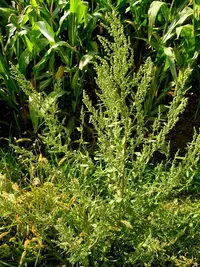
Sheep's sorrel (Rumex acetosella) is a low-growing perennial herb in the knotweed family, often forming mats or loose clumps. It has slender, arrow-shaped leaves with a sharp, lemony taste.

This species is native to Europe and Asia but now grows widely in fields, lawns, and disturbed soils across North America. It often behaves like a weed because it spreads by both seed and creeping roots.

The plant prefers open, sunny sites with poor, acidic, or sandy soil and tolerates dry conditions once established. These traits make it easy to maintain in informal herb patches, though it can spread quickly if not managed.

Gardeners who want to care for Sheep's Sorrel should be prepared to control its spread to prevent it from overtaking nearby plants.

Main Plant Requirements

Care Difficulty

Easy Care

Light Preference

Full Sun

Water Requirements

Moderate Water

Temperature Preference

Cold Hardy

Hardiness Zone

3–9

Soil Texture

Sandy, Loamy, Rocky

Soil pH

Strongly acidic (4.5–5.5), Acidic (5.5–6.5)

Soil Drainage

Well-drained

Fertilization

Minimal (feed rarely)

Get Personalized Care Plan

Scan your plant to receive care tips personalized for your specific plant

Available on iOS and Android

How to Care for the Sheep's Sorrel

This species prefers open, bright conditions typical of meadows and poor grassland sites.

  • Provide 6–8 hours of direct sun daily; light morning sun and light to moderate afternoon sun suit Sheep's Sorrel in most temperate climates.
  • It tolerates partial shade (around 3–4 hours direct sun) but growth and leaf flavor may be weaker in heavier shade.
  • In very hot summers, protect from intense late-afternoon sun to reduce leaf scorch and moisture stress, especially in thin or sandy soils.

This plant is adapted to relatively dry, low-fertility soils and dislikes prolonged saturation.

  • Allow the top 3–5 cm of soil to dry before watering; the soil should feel dry to the touch but not powdery or cracked.
  • Increase watering slightly in hot, windy weather and reduce in cool or rainy periods, using rainfall and soil feel rather than a fixed schedule.
  • Watch for yellowing, limp leaves as a sign of overwatering and crisp, drooping foliage as a sign that Rumex acetosella is staying too dry.

This hardy perennial thrives in cool to mild climates and tolerates a wide temperature range outdoors.

  • Optimal growth occurs around 60–75°F (16–24°C), with steady leaf production in spring and early summer.
  • It tolerates light frosts and can survive down to about 10–15°F (−12 to −9°C) once established, dying back above ground and re-sprouting in spring.
  • In hot spells above 85°F (29°C), growth may slow and leaves may toughen; provide extra soil moisture and, if possible, some afternoon shade to limit heat stress.

This species tolerates a wide humidity range and usually does not need special humidity control.

  • Target 30–60% humidity, similar to most indoor and outdoor conditions in temperate climates.
  • Sheep's Sorrel copes well with dry air, so low indoor humidity rarely causes problems.
  • Watch for limp, quickly wilting foliage combined with dry soil as dehydration, not humidity stress; adjust watering instead.

This plant prefers light, well-drained mineral soils and often thrives in relatively poor ground.

  • Use a sandy or sandy-loam mix with 20–30% compost to provide moderate nutrients without becoming heavy.
  • Ensure fast drainage by blending coarse sand or fine grit with standard potting mix at a ratio of about 1:1.
  • Aim for slightly acidic soil, around pH 5.0–6.5, which matches typical Rumex acetosella care in native habitats.
  • Avoid dense, clay-heavy, or waterlogged soils that restrict aeration and promote root rot, especially in containers.

This species is suitable for container growing, especially for controlled spreading and easy harvest.

  • Choose a wide, shallow pot to accommodate its fibrous, spreading roots rather than a deep, narrow container.
  • Select a relatively heavy or terracotta pot so the plant remains stable and excess moisture evaporates more easily.
  • Elevate the container on pot feet or bricks so drainage holes stay clear and runoff water does not reabsorb into the mix.

This adaptable wild herb needs minimal feeding, but light nutrition can support stronger growth in poor soils when caring for Sheep's Sorrel.

  • Use a balanced, diluted liquid fertilizer (around 10-10-10 at 1/4 strength) or a light top-dressing of compost in spring.
  • Feed every 4–6 weeks during active growth if soil is very sandy or nutrient-poor.
  • Avoid heavy or frequent fertilization, which encourages weak, lush growth and may reduce flavor intensity.
  • Stop feeding in late summer; do not fertilize during winter dormancy.

Pruning Rumex acetosella is mainly about tidying and limiting spread rather than shaping.

  • Cut back flower stalks in late spring or early summer to reduce self-seeding and maintain a compact clump.
  • Remove dead, damaged, or yellowing leaves with clean scissors or hand pruners whenever noticed.
  • Thin crowded shoots at the base to improve air flow and reduce foliar disease.
  • Shear or mow patches low at the end of the growing season to refresh foliage the following year.

This species is usually grown in the ground, so transplanting is more common than container repotting.

  • Transplant in early spring or early fall when temperatures are mild and soil is moist.
  • Move plants when growth slows, clumps become crowded, or roots fill and circle a container.
  • Lift the clump carefully, shake off excess soil, and minimize root breakage to reduce stress.
  • Replant at the same depth in loose, well-drained soil, water thoroughly, then keep evenly moist for 1–2 weeks.

Rumex acetosella is commonly propagated by both seed and division.

  • Sow seeds in early spring on the soil surface or barely covered; keep evenly moist until germination in 1–3 weeks.
  • Direct-sow outdoors where plants are to grow, or start in trays under bright light and transplant small seedlings carefully.
  • Divide established clumps in early spring or early fall, ensuring each division has several buds and healthy roots.
  • Replant divisions promptly in loosened soil, water well, and maintain moderate moisture while new growth establishes.

Rumex acetosella is cold hardy in most temperate climates and usually needs little winter care outdoors.

  • In-ground plants tolerate frost and resume growth from the root system in spring after top growth dies back.
  • Apply a light 2–5 cm mulch layer in colder regions to moderate soil temperature and limit heaving.
  • For container plants in zones with severe freezes, move pots to an unheated garage or sheltered spot to reduce root freeze-thaw stress.

Care Tips

Regular clump renewal

Every 2–3 years, lift and divide congested patches in early spring, replanting only the youngest, most vigorous sections to keep leaf size, flavor, and yield high when growing Sheep's Sorrel.

Leaf harvest rotation

Harvest by lightly cutting or pinching only 1/3 of the leaves from each plant in a patch and then rotating to a different section next time, which prevents exhaustion and keeps the stand productive over a longer season.

Shallow root management

Use a hand fork to loosen soil 3–5 cm deep around plants a few times per season, which improves aeration for the shallow root system and reduces compaction without damaging the crown.

Self-seeding control

To prevent invasive spread, shear off flower stalks as soon as they appear or before seed set and compost them, leaving the basal foliage intact for continued leaf production.

Low-input pest checks

Inspect the undersides of leaves weekly during warm, humid periods and wash off aphids or mites with a firm spray of water in the morning, which usually keeps pests in check without chemical treatments.

Common Pests and Diseases

Leaf miners

This pest tunnels inside the leaves, creating pale, winding trails and blotches that distort the foliage.

Solution

Remove and destroy affected leaves as soon as damage is seen, and keep nearby weeds trimmed to reduce alternative hosts. For heavier infestations, use yellow sticky traps to monitor adults and apply a targeted neem oil or spinosad spray to young foliage according to label directions.

Aphids

These insects cluster on young stems and leaf undersides, sucking sap and causing curling, distortion, and sticky honeydew deposits.

Solution

Rinse colonies off with a firm stream of water, then follow with insecticidal soap or a light horticultural oil, making sure to coat leaf undersides. Encourage or conserve natural predators such as lady beetles by avoiding broad-spectrum insecticides when caring for Sheep's Sorrel.

Leaf spot

This disease produces small brown to dark spots on leaves that can merge into larger dead patches, reducing the plant’s vigor.

Solution

Cut and dispose of badly affected leaves to remove sources of infection, and avoid overhead watering so foliage dries quickly. Improve spacing and airflow, and if the problem recurs, use a copper-based or other labeled fungicide early in the season.

Rust

This disease causes yellow to orange spots on upper leaf surfaces with powdery, rust-colored pustules on the undersides.

Solution

Promptly remove and discard infected leaves and any fallen debris to lower spore levels. Provide good air circulation, avoid wetting foliage, and where rust is persistent, apply a suitable sulfur or copper fungicide at the first sign of symptoms.

Interesting Facts

Soil acidity indicator

Sheep sorrel often colonizes acidic, nutrient-poor, sandy or disturbed soils, so its presence is widely used in field botany and agriculture as a visual indicator that the soil pH is low and fertility is limited.

Dioecious flower biology

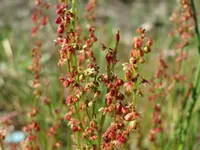
This species is dioecious, meaning individual plants are either male or female, with separate flowers on different plants, which promotes cross‑pollination and maintains genetic diversity in wild populations.

Specialized wind dispersal

The small seeds have a papery, three‑winged outer layer that increases surface area, allowing the fruits to be carried efficiently by wind and spread over long distances in open habitats.

Botan icon

Did you know?

Sheep sorrel contains relatively high levels of oxalic acid, which gives its leaves a distinctly sour, lemony taste and limits how much should be eaten at one time, especially by people prone to kidney stones or calcium-related issues.

FAQs about Sheep's Sorrel

The leaves are edible and have a sharp, lemony, sour flavor due to oxalic acid. They are usually used sparingly in salads, soups, or as a garnish. Large amounts may irritate sensitive stomachs or kidneys.

Grow Healthy Plants with Botan Care

Keep your plants happy and healthy with plant identification, disease detection, and easy care guidance.

Botan plant care app — identify plants on mobile

Explore More Plants