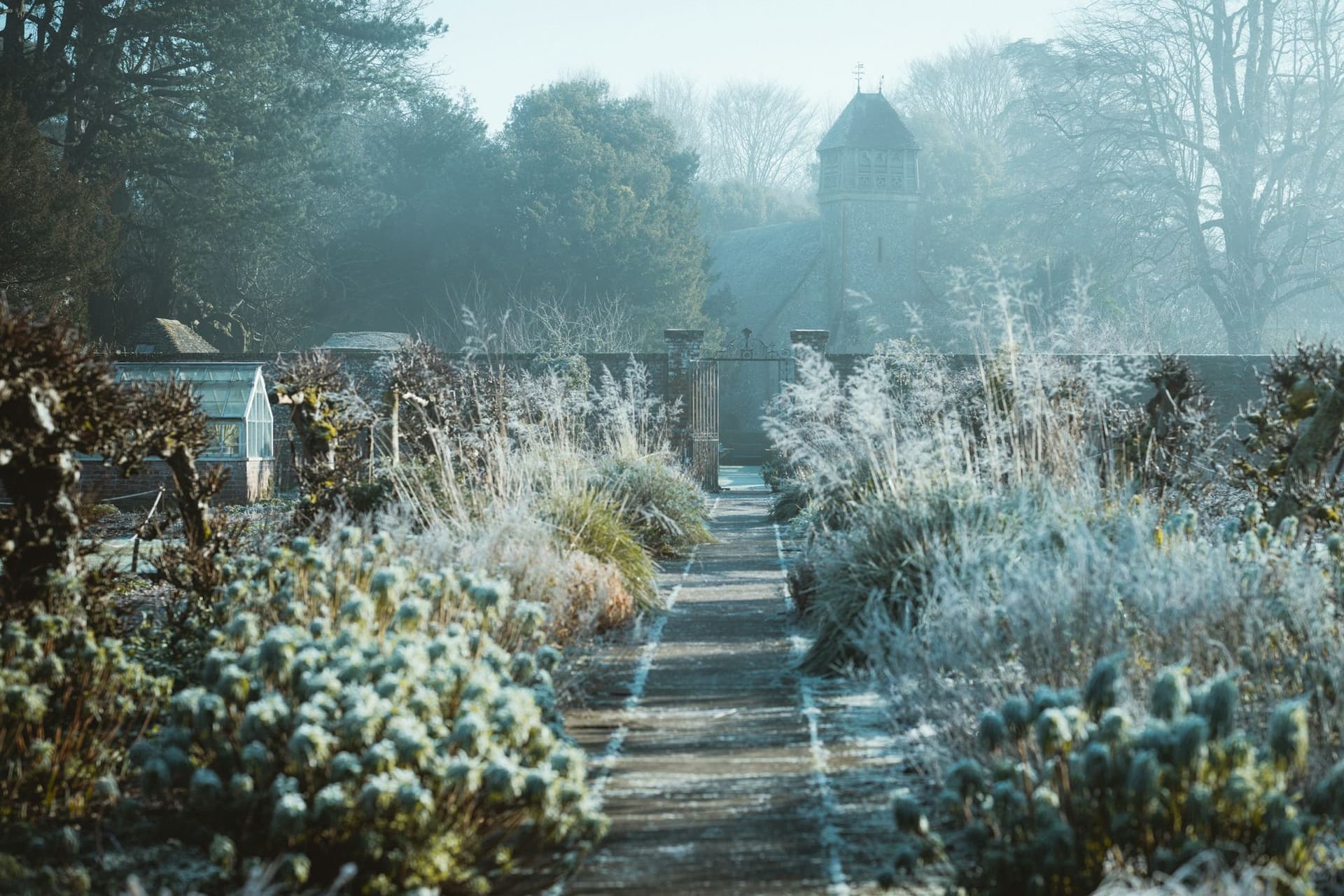


Shortleaf Pine Identification (Pinus echinata)

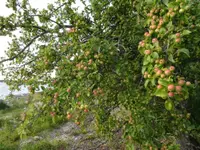
To recognize Shortleaf Pine, check for needles in bundles of two and three, each 3 to 5 inches (8 to 13 cm) long, and small prickly cones about 1.5 to 2.5 inches (4 to 6 cm) long.

The trunk usually has scaly, plated bark and a straight, narrow crown.

Pinus echinata Identification

Identify a Plant by Photo

Upload a clear image to check whether your plant ID is correct.

Clear images work best. Avoid photos taken too close or too far away

Check a few easy features of Pinus echinata before looking closer.

  • Needles grow in bundles of 2, occasionally 3, and are about 3 to 5 inches (8 to 13 cm) long.
  • The crown is narrow to irregular, with slender branches and an overall open look rather than a dense outline.
  • Bark forms small, flat plates with shallow fissures, giving older trunks a broken, scaly pattern.
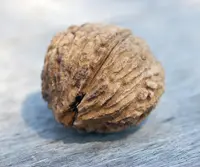
  • Cones are small, about 1 1/2 to 2 1/2 inches (4 to 6 cm) long, with short prickles on the scales.

Needle bundle count and the small prickly cones are the quickest visible checks.

Pinus echinata shows clear visual shifts from grasslike seedlings to tall, plated trees.

  • Seedling: Early seedlings carry a tuft of slender first leaves above a thin stem, with little branching and a delicate, upright outline.
  • Young plant: Saplings begin forming bundled needles, usually in pairs and sometimes threes, while branches appear in whorls and the crown stays narrow and conical.
  • Mature plant: Older trees reach 50-100 feet (15-30 m), with a straighter trunk, broader irregular crown, and bark broken into firm plates with shallow pockets.
  • Fruiting stage: Cone-bearing trees show small, oval cones about 1.5-2.5 inches (4-6 cm) long, often with short prickles, hanging along twigs and persisting after opening.

Pinus echinata stays needled year-round, so seasonal clues are subtle but useful. In spring, pollen cones and small reddish to purple seed cones become visible at branch tips. By late fall into winter, older needles often yellow and shed from inner branches, making the rugged bark, persistent cones, and irregular branching easier to see.

Several southeastern pines can be mistaken for Pinus echinata.

loblolly pine(Pinus taeda)

Both are tall pines with slender needles and small to medium cones. Loblolly usually has needles in bundles of 3, often 6 to 9 inches (15 to 23 cm) long. Shortleaf Pine has shorter needles, usually 3 to 5 inches (8 to 13 cm).

Virginia pine(Pinus virginiana)

This species can resemble it in dry upland sites and with short, twisted needles. Virginia pine usually keeps paired needles and has squat cones under 3 inches (8 cm). Its crown is often more irregular.

Pinus echinata is native to the southeastern and south-central United States, from New Jersey and Pennsylvania south to Florida, and west to eastern Texas, Oklahoma, and Missouri. It is most often found in dry to mesic upland forests, open pine-oak woods, ridges, and rocky or sandy slopes. This setting helps with identification because it is a common pine of inland, non-coastal uplands rather than swamps, high mountains, or deep shade forests.

  • Sharp needles: The needles can prick skin during handling. This is a contact hazard for humans rather than a poisoning risk.
  • Resin contact: Pine resin from bark or wounded stems can irritate skin in sensitive people. The concern is skin contact, mainly for humans.
  • Pine ingestion: Needles and other pine parts are not a common edible material. Ingestion can upset the stomach of pets, and sometimes humans, if chewed or swallowed in quantity.

Not Sure About the ID?

Use Botan to identify or confirm the plant from a photo, which helps avoid mix-ups with similar species.

FAQ

The most reliable trait is its needles in bundles of two and three, usually 3 to 5 inches (8 to 13 cm) long, paired with small cones that have a short, sharp prickle on each scale.

More Plant Identification Guides

Know Your Plant Better

Identify it from a photo with Botan, then get plant details, care information, and common problems for that species.

Botan app identifying a plant from a photo
What Plants Don't Like Epsom Salt?

11 min read · 29 Jul 2026

What Plants Don't Like Epsom Salt?

Learn which plants can be seriously damaged by Epsom salt and which will thrive on it. We’ll explain when and how to use it properly, provide tips for indoor & outdoor plants — read on and enjoy a healthy garden.

Plant Care
What Plants Don't Like Epsom Salt?
Top 15 Fast-Growing Trees For Your Garden

13 min read · 28 Jul 2026

Top 15 Fast-Growing Trees For Your Garden

Learn which of the 15 fastest-growing trees will suit your area. We’ll share detailed information on each: growth rate, mature spread, key tree demands, and main vulnerabilities. Read on and make the best choice possible.

Plant Recommendations
Top 15 Fast-Growing Trees For Your Garden
How to Winterize Your Garden in 6 Steps

5 min read · 28 Sept 2026

How to Winterize Your Garden in 6 Steps

Learn how to prepare your garden for winter with a practical six-step checklist covering cleanup, tender plant care, watering, mulching, winter protection, and winterizing equipment and containers.

Plant Care
How to Winterize Your Garden in 6 Steps