Blue Cheese Polypore Care (Cyanosporus caesius)

Blue Cheese Polypore

About Blue Cheese Polypore

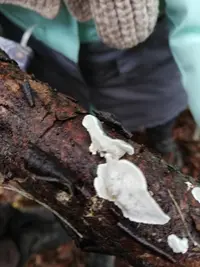
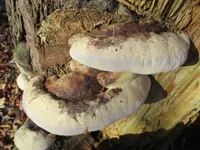
Blue cheese polypore, Cyanosporus caesius, is a wood-decay fungus rather than a leafy plant. It forms thin, crust-like brackets on dead conifer wood, often with a bluish gray surface that suggests its common name.

This species occurs mainly in temperate forests across the Northern Hemisphere, especially on fallen spruce or pine logs. It plays an important ecological role by breaking down lignin and cellulose, which are structural components of wood.

In cultivation, it is considered specialized and better suited to experienced growers familiar with fungi. Successful attempts to care for Blue Cheese Polypore usually rely on providing consistently cool, moist conditions and access to suitable dead conifer wood rather than typical potting soil.

Main Plant Requirements

Care Difficulty

Hard Care

Light Preference

Shade

Water Requirements

Keep Soil Moist

Temperature Preference

Cool Climate

Hardiness Zone

Unknown

Soil Texture

Organic-rich, Peaty

Soil pH

Acidic (5.5–6.5)

Soil Drainage

Moist but well-drained

Fertilization

Minimal (feed rarely)

Get Personalized Care Plan

Scan your plant to receive care tips personalized for your specific plant

Available on iOS and Android

How to Care for the Blue Cheese Polypore

This wood-decay fungus prefers low-light forest conditions rather than direct open sun.

  • Provide dappled or filtered light for 2–4 hours/day, such as beneath trees or on the shaded side of stumps, since strong midday sun can dry the substrate too quickly.
  • Allow bright shade or very light understory conditions; Blue Cheese Polypore typically fruits on shaded, decaying conifer wood rather than in exposed sites.
  • In summer, protect colonized wood from prolonged afternoon sun to limit overheating and moisture loss; in winter, indirect light is sufficient as long as the log stays moist.

This species depends on consistently moist but not waterlogged wood rather than direct watering of fruiting bodies.

  • Check the log or stump surface; if the outer 2–5 mm feel dry and light instead of cool and slightly damp, thoroughly soak the wood and allow excess water to drain away.
  • During warm, windy, or very dry periods, increase soaking frequency to keep Cyanosporus caesius substrate evenly moist, but avoid standing water around the base to prevent anaerobic rot.
  • Signs of overwatering include sour or stagnant smell and slimy patches on the wood, while underwatered wood becomes lightweight, cracks at the ends, and shows reduced or aborted fruiting.

This temperate fungus grows best in cool to mild conditions typical of shaded conifer forests.

  • Aim for a general growth range of 45–70°F (7–21°C), where colonized wood stays cool and moist and fruiting bodies develop without heat stress.
  • It tolerates brief drops near 25–30°F (-4– -1°C) once established, but repeated hard freezes or freeze–thaw cycling can damage soft tissues and slow decay activity.
  • Sustained temperatures above 80°F (27°C), especially in full sun, can overheat the log, dry the substrate, and sharply reduce fruiting, so provide shade and extra moisture in hot spells.

Humidity is not a major factor for Cyanosporus caesius, which naturally develops on dead conifer wood in outdoor conditions.

This wood-decay fungus does not use soil; instead, it colonizes and digests dead conifer wood, especially rotting pine and spruce.

  • Select well-decayed, pesticide-free softwood logs or thick branches, avoiding fresh-cut timber with intact bark and sapwood.
  • Keep the wood consistently damp but not submerged, as excessive waterlogging removes vital air pockets needed for fungal respiration.
  • Aim for slightly acidic conditions (around pH 5–6.5) by using conifer wood rather than alkaline hardwoods or limed materials.
  • Avoid adding compost, bark chips, or soil around the colonized wood, since these can divert moisture and competing fungi may outgrow Cyanosporus caesius.

This species is not naturally suited to conventional container growing, though inoculated wood sections can be set in trays or boxes mainly for observation.

  • Stabilize each inoculated log or block with gravel or bricks in the base of the tray so it does not shift as the wood decays.
  • Use a shallow, wide container that allows air circulation around all sides of the wood while still holding some moisture-retentive substrate like coarse sand or gravel beneath.
  • Choose a durable, non-porous tray so moisture levels around the wood stay relatively stable without the container itself drawing water away.

Cyanosporus caesius is a wood-decaying fungus that usually gains all needed nutrients from its host material and rarely benefits from added fertilizer.

Cyanosporus caesius does not need structured pruning, but some removal can be useful for safety and cleanliness in managed landscapes.

  • Remove dead, crumbling, or excessively protruding brackets at any time if they present a snag or trip hazard.
  • Use a clean, sharp knife or pruning saw to cut fruiting bodies flush with the wood surface without gouging the substrate.
  • Avoid cutting into living structural wood, since this can weaken trees or logs and invite further decay.
  • Discard removed material in green waste or landfill if decay spread to nearby structures is a concern.

This fungus is not maintained in pots; care focuses on when and how to move the colonized wood rather than true repotting.

  • Consider transplanting only if the colonized log or stump is unstable, interfering with use of the area, or needed for study.
  • Move wood during cooler, moist periods in spring or fall to reduce drying stress on the fungal mycelium.
  • Handle the substrate gently, keeping the log or stump intact and avoiding splitting that would expose inner tissue to rapid desiccation.
  • Place the wood in a similar shade and moisture environment, and avoid sealing it against impermeable surfaces that stay waterlogged.

Propagation of Cyanosporus caesius is typically left to natural spore spread and is not a routine horticultural practice.

This temperate wood-decay fungus is naturally cold hardy and normally requires no specific winter care in outdoor settings.

Care Tips

Log selection

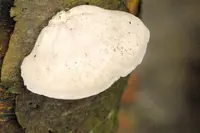
Choose well-seasoned conifer logs or stumps with intact bark and minimal decay, since this species colonizes dead conifer wood best and outcompetes contaminants more reliably on sound material.

Controlled inoculation

Drill shallow holes in a grid pattern, insert colonized dowels or spawn, and seal with cheese wax to give the mycelium protected entry points and reduce competition from wild fungi when growing Blue Cheese Polypore outdoors.

Moisture buffering

After inoculation, wrap the log stack loosely in breathable fabric or burlap and keep it in a shaded, sheltered spot so moisture levels remain stable while still allowing gas exchange for healthy mycelial growth.

Seasonal monitoring

Inspect colonized wood after heavy rains and during cool, moist periods, removing competing bracket fungi early with a clean knife to help the desired colony maintain its hold on the substrate.

Tool hygiene

Disinfect drill bits, knives, and any cutting tools with isopropyl alcohol before and between projects to limit introducing unwanted fungi or bacteria into fresh wood or existing colonies.

Common Pests and Diseases

Competing saprobic fungi

This disease occurs when faster-growing wood-decay fungi overtake the substrate, outcompeting the blue cheese polypore for nutrients and space. Symptoms include reduced or stalled fruiting, distorted brackets, and replacement by other crust or bracket fungi on the same log.

Solution

Remove heavily colonized competing fungi from the same log when possible and provide fresh, appropriately sized conifer wood with intact bark to favor Cyanosporus caesius. Maintain stable, cool, moist conditions with good airflow so its mycelium can colonize new wood rapidly before other species establish.

Wood-dwelling beetle larvae

These insects tunnel through decaying conifer wood and can physically disrupt the mycelium and fruiting structures. Symptoms include fine frass (wood dust), small bore holes, and weakened or broken brackets.

Solution

Choose harder, less degraded conifer logs with fewer visible bore holes for cultivation or observation. Store substrate off the ground on racks, maintain moderate humidity rather than constant saturation, and, if infestation is severe, retire heavily tunneled logs and introduce fresh, sound wood for colonization.

Mite grazing

This pest consists of tiny arthropods that feed on fungal tissue, including hymenial surfaces where spores are produced. Symptoms include pitted, roughened, or patchy pore surfaces and reduced spore production.

Solution

Keep fruiting wood in well-ventilated, clean conditions and avoid stacking logs tightly, which favors mite buildup. If populations are high, gently rinse fruiting surfaces with clean water to dislodge mites and adjust humidity to a slightly drier range while still preventing the substrate from fully drying out, which supports practical Cyanosporus caesius care without encouraging mite outbreaks.

Interesting Facts

Blue cheese odor

Mature specimens often develop a distinct smell that many people compare to blue cheese, which is the origin of its common name blue cheese polypore.

Blue spore print

The fungus produces unusually colored spores that give a bluish tint to the pore surface and surrounding wood, a feature used by mycologists to distinguish it from similar bracket fungi.

Dead conifer specialist

This species mainly colonizes dead or fallen conifer wood, especially spruce and pine, playing a significant role in decomposing lignin-rich tissues and recycling nutrients in boreal and temperate forests.

Botan icon

Did you know?

This polypore has undergone several taxonomic changes and is still a reference species in studies of blue-staining wood-decay fungi, helping mycologists understand how pigment-producing enzymes evolve in white-rot basidiomycetes.

FAQs about Blue Cheese Polypore

This bracket fungus is considered inedible. The texture is tough and corky, and it lacks culinary value. It is not known as dangerously poisonous, but it should not be harvested or eaten intentionally.

Grow Healthy Plants with Botan Care

Keep your plants happy and healthy with plant identification, disease detection, and easy care guidance.

Botan plant care app — identify plants on mobile

Explore More Plants