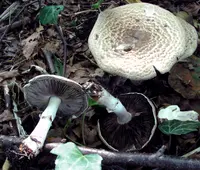
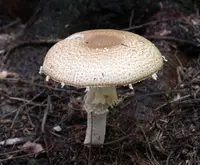
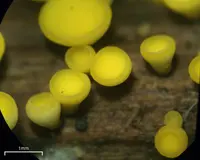
Elbowpatch Crust Care (Fomitiporia punctata)

Elbowpatch Crust

About Elbowpatch Crust

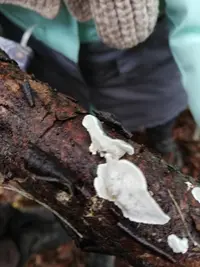
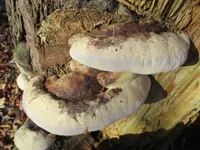
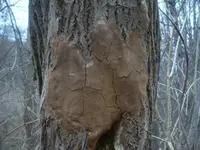
Elbowpatch crust, Fomitiporia punctata, is a perennial wood-decay fungus rather than a leafy houseplant. It forms flat, crust-like patches on trunks and branches, usually in irregular, elbow-shaped areas. These fruiting bodies are hard, brown to dark brown, and tightly attached to the bark, often going unnoticed until they merge into larger patches.

This species occurs mainly on broadleaf trees in temperate regions, including urban and orchard settings. It is not typically grown as an ornamental, since it is associated with white rot and structural decline in host trees. For those studying or monitoring it rather than trying to care for Elbowpatch Crust, it prefers consistently moist wood in shaded to semi-shaded conditions.

Main Plant Requirements

Care Difficulty

Moderate Care

Light Preference

Partial Shade

Water Requirements

Moderate Water

Temperature Preference

Warm Climate

Hardiness Zone

Unknown

Soil Texture

Loamy, Organic-rich

Soil pH

Slightly acidic (6.5–7.0)

Soil Drainage

Well-drained

Fertilization

Minimal (feed rarely)

Get Personalized Care Plan

Scan your plant to receive care tips personalized for your specific plant

Available on iOS and Android

How to Care for the Elbowpatch Crust

This wood-decaying fungus thrives on shaded host trees rather than direct, open sun exposure.

  • Provide dappled or filtered light under a tree canopy, with no more than 1–3 hours of weak morning sun and full protection from strong afternoon sun.
  • Site Elbowpatch Crust on trunk or branch surfaces that remain shaded or in bright shade most of the day to prevent desiccation of fruiting bodies.
  • In summer, avoid exposed south- or west-facing aspects; in winter, low-angle sun is usually harmless but prolonged direct light plus dry wind can dry the tissue.

This fungus develops best on wood that stays consistently moist but not waterlogged.

  • For established fruiting on living or dead wood, allow the surface to stay slightly damp; avoid letting host wood dry out completely for more than a few days.
  • Ensure good drainage around the log or trunk so water does not pool for longer than 24 hours, which can encourage competing molds rather than Fomitiporia punctata.
  • Watch for cracking, brittle fruiting bodies as a sign of too-dry conditions and soft, slimy patches or foul odor as early signs of chronic saturation.

This species tolerates a broad temperature range but fruits best in mild, temperate conditions.

  • Aim for an active growth window of about 50–77°F (10–25°C), typical of many temperate woodland climates where host trees occur.
  • Short exposures down to about 23°F (-5°C) are usually tolerated in dormant wood, but repeated hard freezes below this can damage or slow fruiting structures.
  • Sustained heat above 86°F (30°C), especially with low humidity, tends to dry and crack brackets, so provide shade and moisture buffering during hot, dry periods.

This wood-decay fungus prefers consistently moist, sheltered conditions rather than dry air.

  • Aim for ambient humidity around 60–80% to mimic the damp, shaded woodland conditions where Elbowpatch Crust develops.
  • Prolonged air below 50% can slow fruiting body formation and cause caps to dry, crack, and shrink at the edges.
  • Increase local humidity outdoors by mounting inoculated wood in shaded, wind-sheltered spots or near dense vegetation that traps moisture.

Fomitiporia punctata naturally colonizes woody substrates rather than garden soil, so conditions must mimic decaying wood.

  • Use dense hardwood logs or chunks with moderately decomposed, fibrous structure instead of mineral soil, as this supports fungal spread and aeration.
  • Ensure the wood or woody mix drains freely yet stays moist; avoid waterlogged substrates that exclude oxygen and halt mycelium growth.
  • Maintain a slightly acidic to neutral environment (roughly pH 5.5–7) by combining chipped hardwood, leaf litter, and a small amount of composted bark.
  • Avoid compacted mineral soil, high-salt fertilizers, or heavily limed media, which disrupt fungal colonization and slow the decay process.

This species is not well suited to conventional container growing and is best managed on outdoor logs or woody substrates.

Fomitiporia punctata is a wood-decay fungus that does not require fertilization in cultivation or in natural settings.

Pruning is not a practical or meaningful care practice for Fomitiporia punctata, as it is a perennial wood-decay fungus rather than a managed ornamental plant.

This species naturally colonizes woody hosts and is not suited to routine container culture or garden transplanting.

  • If removal is needed, treat it as a host-plant management issue rather than a transplanting task.
  • Focus on assessing the health of the infected tree or shrub with a qualified arborist if structure appears weakened.
  • Physical removal of fruiting bodies does not cure internal decay and is done only for inspection or safety reasons.
  • Do not attempt to move or reestablish the fungus in new locations, as this can spread disease to trees.

Intentional propagation of Fomitiporia punctata is generally avoided because it is a wood-decay and canker-causing pathogen of trees.

No intentional winter care is recommended for Elbowpatch Crust, as it naturally tolerates outdoor seasonal changes on host trees.

Care Tips

Host wood selection

Select dense, untreated hardwood logs or branches from non-fruit trees for culture, as this slows decay and supports longer, more stable fruiting of the fungus.

Sanitation of tools

Disinfect saws, drills, and knives with 70% isopropyl alcohol or a 10% bleach solution before and after work to reduce unintended spread of this wood-decay fungus to healthy trees.

Controlled inoculation zones

Confine inoculated wood to a clearly marked, dedicated area on your property and avoid stacking it near living trees, fences, or structural wood to limit accidental colonization.

Moisture monitoring routine

Use a simple wood moisture meter on host logs and maintain readings in the 25–40% range, adjusting irrigation or airflow so the wood stays moist enough for stable fungal growth without rotting too rapidly.

Safe material disposal

After cultivation or study, chip, compost hot (130–150°F), or fully burn colonized wood instead of discarding it intact, which helps prevent the fungus from establishing in unintended landscape trees when caring for Elbowpatch Crust.

Common Pests and Diseases

White rot of grapevine

This disease is a wood-decay problem primarily seen on grapevine trunks and cordons where the fungus colonizes pruning wounds and internal tissues, forming the characteristic elbow-shaped patches of crust on dead wood. Symptoms include cankered, brittle wood and fruiting bodies appearing on dead or dying branches rather than on healthy green tissues.

Solution

Prune out and remove all visibly colonized, dead, or cankered wood during dry weather, cutting back to sound tissue and sterilizing tools between cuts with alcohol or a 10% bleach solution. Avoid leaving large pruning wounds, protect major cuts with an appropriate wound sealant if used in your region, and dispose of infected material away from vines to limit spore sources; in commercial vineyards, integrate with good canopy management and pruning timing to reduce infection risk.

Secondary wood decay

This disease occurs when the fungus expands within already weakened or dead structural wood of host trees or vines, accelerating internal decay and reducing mechanical strength. Symptoms include hollow, spongy, or stringy heartwood and persistent crust-like fruiting bodies on old stubs or damaged trunks.

Solution

Inspect host plants regularly and remove heavily decayed limbs or dead stubs that carry fruiting bodies, focusing on structural safety and plant health. Improve plant vigor through appropriate watering, mulching, and nutrition so living tissues can compartmentalize decay, and consult an arborist for large trees where extensive internal decay affects stability.

Pruning-wound infection

This disease involves colonization of fresh pruning wounds, especially on grapevines and other woody hosts, where spores land on exposed xylem and begin long-term wood decay. Symptoms include gradual dieback from pruning points, reduced vigor, and later development of crust-like fruiting bodies on the dead portions of wood.

Solution

Time pruning for dry weather with low spore dispersal risk, avoid pruning during or right after rain, and make clean, small cuts that heal more quickly. Disinfect tools frequently, remove and destroy pruned material that already bears fruiting bodies, and in high-risk plantings follow local grapevine trunk disease guidelines as part of broader Fomitiporia punctata care instructions.

Interesting Facts

White rot specialist

This species is a white rot fungus that breaks down both lignin and cellulose in woody tissues, which leads to a light, fibrous, pale decay pattern in infected wood.

Targeting grapevines

It is one of the fungal agents associated with wood decay diseases in grapevines, where it can colonize perennial organs and contribute to trunk cankers and dieback.

Elbowpatch-like crust

The fruiting bodies form thin, resupinate (crust-like) patches that often appear in irregular, elbow-shaped areas on bark and exposed wood, giving rise to the common name elbowpatch crust.

Botan icon

Did you know?

This species was historically confused with several other crust fungi, and only detailed microscopic features such as small, thick-walled spores and specific pore structure allowed mycologists to clearly separate it and stabilize its taxonomy.

FAQs about Elbowpatch Crust

This species is not considered edible. The fruiting bodies are very hard, woody, and lack culinary value. It is not used as food and should be left on host wood for ecological observation only.

Grow Healthy Plants with Botan Care

Keep your plants happy and healthy with plant identification, disease detection, and easy care guidance.

Botan plant care app — identify plants on mobile

Explore More Plants