Big Smoky Bracket Care (Bjerkandera fumosa)

Big Smoky Bracket

About Big Smoky Bracket

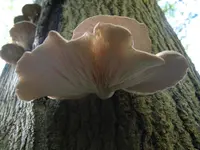
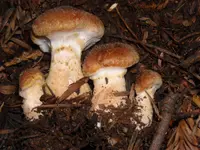
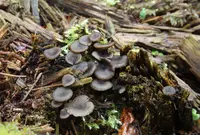
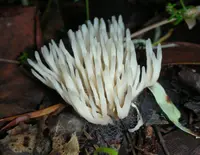
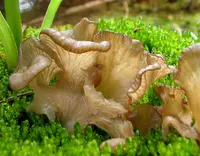
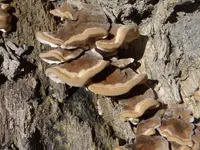
Big smoky bracket, Bjerkandera fumosa, is a wood-decay bracket fungus, not a leafy houseplant. It forms shelf-like, smoky gray to brown fruiting bodies on dead or weakened hardwoods. The caps are thin, often in overlapping tiers, with a pale pore surface underneath where spores are released.

This species is native to temperate regions and is commonly found in forests and wooded parks across Europe and North America. It plays an important role in breaking down fallen logs and stumps.

Because it depends on dead wood, it is not a typical ornamental species and is rarely cultivated deliberately. Gardeners who wish to care for Big Smoky Bracket mainly support it by leaving suitable dead wood in shaded, moist conditions.

Main Plant Requirements

Care Difficulty

Moderate Care

Light Preference

Partial Shade

Water Requirements

Keep Soil Moist

Temperature Preference

Cool Climate

Hardiness Zone

Unknown

Soil Texture

Organic-rich, Loamy

Soil pH

Acidic (5.5–6.5), Slightly acidic (6.5–7.0)

Soil Drainage

Moist but well-drained

Fertilization

Minimal (feed rarely)

Get Personalized Care Plan

Scan your plant to receive care tips personalized for your specific plant

Available on iOS and Android

How to Care for the Big Smoky Bracket

This bracket fungus prefers low to moderate natural light that mimics shaded woodland conditions.

  • Provide dappled or filtered light under deciduous trees, with no more than 1–3 hours of weak morning sun and full shade during intense midday hours.
  • Avoid direct, strong afternoon sun, which can dry out host wood and surrounding substrate, slowing Big Smoky Bracket colony development and causing tissue desiccation.
  • In summer, ensure consistent shade as canopy leaves thin or are removed; in winter, brief weak sun through bare branches is usually acceptable.

Moist but not waterlogged conditions support stable colonization and fruiting for this wood-decaying fungus.

  • Allow the upper 2–5 cm of surrounding soil or woody debris to feel slightly dry before re-moistening, then water gently so moisture soaks in without pooling.
  • Use a free-draining, coarse substrate around colonized wood so excess water runs off, reducing the risk of standing water and anaerobic, foul-smelling patches.
  • In hot, dry periods, increase monitoring and mist nearby substrate if it becomes crisp or pulls away from logs; reduce added moisture in cool, persistently wet weather.

This species performs best in cool to mild conditions typical of temperate woodland climates.

  • Optimal growth and fruiting usually occur around 50–70°F (10–21°C), with steady moisture in the supporting wood and surrounding substrate.
  • Colonies typically tolerate down to about 25°F (−4°C) for short periods, but repeated hard freezes below 20°F (−7°C) can damage exposed fruiting bodies.
  • In hot spells above 80°F (27°C), shaded, humid microclimates help protect developing brackets from drying and premature cracking, especially on sun-exposed logs or stumps.

Humidity is not a key factor for Bjerkandera fumosa, which grows on dead wood in outdoor conditions.

This wood-decay fungus relies on its woody substrate rather than conventional soil, but certain ground conditions support its development.

  • Favor moist, humus-rich woodland soil that stays cool and retains organic debris from fallen branches and logs.
  • Ensure the site drains freely so water does not pool around the wood, since prolonged saturation limits oxygen and slows colonization.
  • Aim for slightly acidic to neutral conditions around pH 5.5–7, typical of many deciduous woodland floors.
  • Add leaf litter, well-rotted wood chips, and composted bark to increase organic matter and aeration around colonized logs.

This species is not suitable for container growing, as it requires dead wood in natural outdoor conditions rather than a potting environment.

This wood-decaying fungus naturally obtains nutrients from dead hardwood and generally does not need supplemental feeding in gardens or culture.

Pruning is not a standard cultural practice for Bjerkandera fumosa, which fruits on dead or decaying wood rather than forming a typical garden plant canopy.

This species is usually established on dead logs or stumps, so management focuses on positioning suitable wood rather than classic repotting.

  • Select sound but dead hardwood logs with intact bark, placing them in a shaded, humid location to favor colonization and fruiting.
  • Avoid frequent moving of colonized wood, as disturbance can damage the mycelium and reduce future fruit body production.
  • If relocation is necessary, move logs during cooler, moist periods to limit drying and mechanical stress on the fungal tissue.
  • Support heavy or partially decayed logs carefully to prevent cracking, which can expose inner wood and disrupt the fungal network.

Propagation of this bracket fungus in cultivation is specialized and usually handled by advanced growers or researchers rather than home gardeners.

This fungus is naturally cold hardy across temperate climates and typically needs no special winter care when growing on outdoor dead wood.

Care Tips

Use Fresh Hardwood

Inoculate only freshly cut, disease-free hardwood logs or blocks, as older or decaying wood is often already colonized by competing fungi that will suppress Bjerkandera fumosa.

Seal Inoculation Points

After inserting dowel spawn or applying sawdust spawn, seal holes with food-grade wax to maintain internal moisture and give the fungus a protected environment to establish before competitors move in.

Optimize Log Position

Stand or lean inoculated logs off the ground on bricks or rails in a shaded, airy spot so the wood stays moist but not in direct soil contact, which reduces contamination and rot at the base.

Monitor Moisture by Weight

Lift test logs periodically and use their weight as a simple indicator of water content, re-soaking or irrigating when they feel noticeably lighter to maintain a consistently moist substrate without waterlogging.

Rotate Fruiting Sites

Shift or turn logs slightly between fruiting periods to expose different faces to optimal airflow and humidity, which can improve sporocarp distribution and overall success when growing Big Smoky Bracket.

Common Pests and Diseases

Greenbottle fly larvae

This pest uses the bracket as a site for egg laying, and larvae tunnel through the soft fruiting body. Symptoms include small entry holes, wet patches, and rapid collapse of the fungus tissue.

Solution

Collect and remove heavily infested brackets and dispose of them in sealed bags to break the life cycle. In outdoor or culture settings, maintain good air movement, avoid overly shaded stagnant corners, and use fine mesh barriers on experimental logs to reduce access for egg-laying flies.

Fungivorous beetle larvae

These insects feed within the bracket, creating internal galleries that cause crumbly, perforated tissue and accelerated drying. Symptoms include small bore holes, frass-like dust, and hollowed areas in older brackets.

Solution

Physically remove and discard infested brackets and any loose woody debris that shelters adults. For cultivated logs, keep them off bare soil, improve airflow, and reduce prolonged surface moisture that attracts beetles, inspecting and harvesting brackets promptly once mature.

Competing wood-decay fungi

This disease pressure arises when other basidiomycetes colonize the same log, leading to patchy, misshapen brackets, off-color zones, or replacement by different fruiting bodies. Symptoms include overlapping fruiting bodies of different texture or color, and sections of log that stop producing the expected brackets.

Solution

Cut away and discard sections of wood dominated by competing fungi and harvest Big Smoky Bracket promptly when mature. When establishing new culture logs, use fresh, sound hardwood, inoculate quickly with clean spawn, and keep logs off the ground to lower incidental spore contact and improve Bjerkandera fumosa care outcomes.

Mold contamination on brackets

This disease appears as fuzzy, powdery, or slimy growths on the bracket surface, often white, gray, green, or black, especially in humid, stagnant air. Symptoms include surface discoloration, soft or slimy patches, and reduced spore production.

Solution

Trim off and discard moldy tissues and any fallen, decaying pieces around the base. Improve airflow, avoid overhead wetting of brackets in culture, and reduce crowding of logs or substrates so surfaces dry more quickly between natural wetting events.

Interesting Facts

Soft smoky brackets

This species forms unusually soft and flexible brackets compared to many other polypores, with pale gray to smoky-brown caps that often show a whitish, downy margin when young.

White-rot decomposer

It is a white-rot fungus that breaks down both lignin and cellulose in fallen hardwood logs, playing a key role in nutrient recycling in temperate forests.

Pore surface color shift

The pore surface starts whitish to pale gray and often becomes darker and more smoky with age or handling, a field character used to separate it from closely related species.

FAQs about Big Smoky Bracket

This bracket fungus is technically non-toxic but is considered inedible due to its tough, corky texture and lack of culinary value. It is not used as food and should be left on host wood.

Grow Healthy Plants with Botan Care

Keep your plants happy and healthy with plant identification, disease detection, and easy care guidance.

Botan plant care app — identify plants on mobile

Explore More Plants