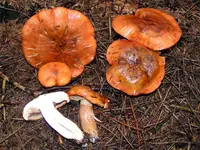
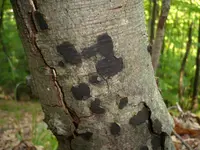
Conferticium ochraceum Care

Conferticium ochraceum

About Conferticium ochraceum

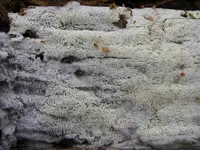
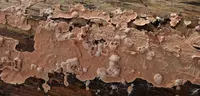
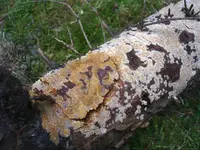
Conferticium ochraceum is a crust-forming fungus rather than a traditional leafy houseplant. It typically appears as thin, patchy, ochre to yellow-brown layers on dead wood. In nature, it occurs on decaying branches and logs in forested regions, where it helps break down wood and recycle nutrients. The fruiting surface is usually smooth to slightly uneven and closely attached to the substrate, so it can be easy to overlook. This species is mainly of interest to fungus enthusiasts and ecologists rather than casual indoor growers. It is not commonly cultivated, and practical guidance on how to care for Conferticium ochraceum is limited, since it depends on natural wood decay conditions that are hard to reproduce indoors.

Main Plant Requirements

Care Difficulty

Moderate Care

Light Preference

Partial Shade

Water Requirements

Moderate Water

Temperature Preference

Warm Climate

Hardiness Zone

Unknown

Soil Texture

Loamy

Soil pH

Slightly acidic (6.5–7.0)

Soil Drainage

Well-drained

Fertilization

Minimal (feed rarely)

Get Personalized Care Plan

Scan your plant to receive care tips personalized for your specific plant

Available on iOS and Android

How to Care for the Conferticium ochraceum

This fungus favors stable, gentle light rather than strong, direct sun exposure.

  • Provide dappled or filtered light equivalent to 2–4 hours of weak morning sun; avoid direct midday sun that can desiccate the substrate surface.
  • Allow partial to full shade under shrubs, logs, or leaf litter, since Conferticium ochraceum naturally occupies low-light forest or woodland microhabitats.
  • In summer, protect from hot western sun; in winter, ensure some ambient brightness so fruiting bodies can form and color normally rather than remaining sparse and pale.

Moisture conditions in the substrate are more critical than direct watering of the fungus itself.

  • Maintain consistently moist, not waterlogged, wood or organic debris; allow only the top 1–2 cm to begin drying before rewetting the substrate.
  • Use freely draining, porous material so excess water runs off; standing water promotes anaerobic conditions, mold overgrowth, and collapse of fruiting structures.
  • In warm, dry weather, increase misting or gentle soaking frequency, watching for shriveling or cracking as signs of dryness, and slimy, foul-smelling patches as signs of overwatering.

This species grows best in cool to mild conditions without major temperature swings.

  • Aim for 55–70°F (13–21°C) for steady growth, with fruiting often most active at the lower end of this range in consistently moist environments.
  • Tolerate short drops to about 40°F (4°C), but protect from hard frost below 32°F (0°C), which can damage or halt surface structures on the substrate.
  • During hot spells above 80°F (27°C), increase humidity and shade while ensuring airflow, since prolonged heat and drying winds can cause the fungus to recede into the wood.

This species prefers moderately moist air but usually adapts to typical indoor humidity if not too dry.

  • Aim for 50–70% humidity to reduce desiccation of the fruiting surface and maintain even growth.
  • Tolerates brief dips to 35–40% but prolonged dry air leads to pale, brittle tissue and slower spread.
  • Increase humidity with a nearby open tray of water, grouped plants, or a room humidifier rather than misting directly on Conferticium ochraceum.

This fungus develops best on consistently moist, well-aerated, organic-rich substrate with fast drainage.

  • Use a loose mix of fine bark, leaf mold, and composted wood pieces that mimics decaying wood structure.
  • Ensure excess water drains freely; standing water collapses air pockets and encourages anaerobic rot organisms.
  • Maintain slightly acidic to neutral conditions around pH 5.5–7.0 by avoiding heavy lime additions in the substrate.
  • Improve aeration by blending in coarse wood chips or perlite so the mycelium can spread through oxygenated pores.

It can be grown in containers when the goal is to observe its development on controlled woody substrates.

  • Choose a deep, rigid container that holds a stable block of wood or woody mix without tipping as the colony spreads.
  • Drill side ventilation holes above the drainage line to keep the interior humid yet still oxygenated for mycelial growth.
  • Use opaque or dark-colored containers to limit light on the substrate, which helps maintain a more natural microhabitat.

This species typically grows on natural substrates and usually needs no supplemental feeding in garden or container culture.

Pruning needs for Conferticium ochraceum are minimal and mainly hygienic.

  • Inspect once a year, ideally in late winter or early spring, when growth is slow and structure is easy to see.
  • Remove any dead, diseased, or mechanically damaged host tissue that might harbor pathogens.
  • Make clean cuts with sharp, disinfected tools to limit wound size and reduce infection risk.
  • Avoid heavy shaping; maintain as much healthy, undisturbed surface as possible to support normal development.

This organism is rarely cultivated in pots, so focus on careful transplanting of colonized substrate rather than routine repotting.

  • Transplant only if the current substrate is breaking down, contaminated, or no longer supports healthy growth.
  • Plan moves for cool, mild weather in spring or early fall to reduce stress and drying.
  • Lift and move the colonized material gently, keeping the substrate mass intact and disturbing roots and mycelium as little as possible.
  • Re-establish in a similar shade, moisture, and host environment, then water lightly and keep evenly moist until stable.

Propagation of Conferticium ochraceum is specialized and not typically attempted by home growers.

In most temperate climates this species is naturally cold hardy and usually needs no specific winter care.

Care Tips

Stable mounting surface

Attach fruiting bodies to a firm, non-flexing substrate such as a hardwood board or stable branch section so the thin resupinate crust is not damaged by movement or vibration during inspection.

Minimal handling zones

Plan viewing and access paths so that the living margin is not brushed by clothing or tools, since repeated light abrasion can stop growth along those edges.

Moisture buffering setup

Use a layer of soaked, wrung-out sphagnum or coarse wood mulch around but not on the colony to buffer humidity and reduce rapid wet–dry swings on the wood surface.

Targeted airflow control

Position a gentle, indirect airflow source to keep the substrate surface just dry enough to limit mold without directing drafts straight at the fruiting crust, which can cause cracking and margin dieback.

Seasonal observation log

Keep a simple photo and note log of color, texture, and spread pattern through the year to learn the normal cycle for growing Conferticium ochraceum and to detect stress or contamination early.

Common Pests and Diseases

Slime mold overgrowth

This disease forms a patchy, powdery to crusty growth that can smother the native mycelium on the wood surface. Symptoms include dull, discolored, or patchy areas that look different in texture and color from the normal Conferticium ochraceum crust.

Solution

Gently scrape or brush off the overgrowing slime mold with a soft brush and improve air movement around the log or substrate so surfaces dry between wet periods. If practical, shift the inoculated wood to a slightly less shaded, breezier position to reduce prolonged surface moisture that favors slime mold spread.

Competing saprotic fungi

This disease appears as different-colored crusts, brackets, or fuzzy molds that colonize the same wood and gradually displace the desired crust fungus. Symptoms include mixed patches of foreign fruiting bodies breaking the continuity of the ochre crust.

Solution

Cut away or chisel off sections of wood heavily colonized by other fungi and remove them from the area. Maintain moderate but not excessive moisture, avoid heavy mulching on top of the colonized wood, and if needed re‑inoculate clean, freshly cut wood to keep growing Conferticium ochraceum on a strong, less-competed substrate.

Wood-boring beetle larvae

These insects tunnel through the dead wood substrate, creating galleries that disrupt moisture balance and sometimes detach the crust from the surface. Symptoms include small exit holes, fine sawdust-like frass, and loosened bark or crust patches.

Solution

Physically remove and discard highly infested wood pieces and replace them with sound, dead hardwood if the goal is to maintain a stable substrate. Store colonized logs off bare soil and in a well-ventilated, not overly damp spot to make conditions less favorable for re-infestation.

Isopod grazing

These pests (woodlice or pillbugs) feed on the surface of decaying wood and can rasp away young, tender fruiting areas of the crust. Symptoms include irregularly scraped patches and thinning of the fresh growth margin, often where isopods shelter under bark flakes or debris.

Solution

Carefully lift and remove loose bark, leaf litter, and stones that provide hiding places right against the colonized wood, and relocate isopods away from the cultivation area. If damage is persistent, raise the wood slightly on bricks or a rack and keep the immediate surroundings drier so it is less attractive as a shelter site.

Interesting Facts

Crust-like corticioid fruiting body

This species forms a thin, crust-like fruiting body tightly attached to dead wood, characteristic of corticioid fungi that spread as smooth to slightly textured patches rather than classic mushroom caps.

Distinctive ochre coloration

Mature fruiting surfaces typically show yellowish to ochre tones, a key macroscopic feature that helps separate it from many whitish or grayish lookalike wood-inhabiting crust fungi.

Wood-decaying lifestyle

It lives as a saprotroph on dead wood, breaking down structural compounds such as cellulose and hemicellulose and contributing to nutrient cycling in forest ecosystems.

FAQs about Conferticium ochraceum

This crust fungus spreads slowly along dead wood surfaces and does not behave aggressively in gardens. It colonizes available woody debris but rarely outcompetes other saprophytic fungi in a way that would concern a typical landowner or gardener.

Grow Healthy Plants with Botan Care

Keep your plants happy and healthy with plant identification, disease detection, and easy care guidance.

Botan plant care app — identify plants on mobile

Explore More Plants