Clean substrate rotation
After each flush, remove spent clusters and gently scrape away the top 0.5–1 cm of exhausted substrate to reduce mold spores and encourage a cleaner new flush when growing Cluster Cap.

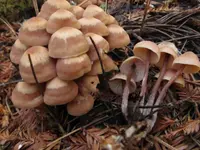
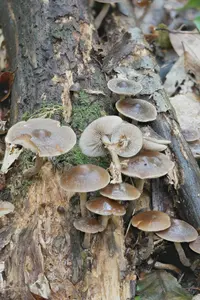
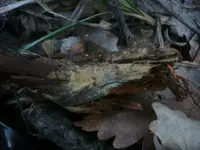
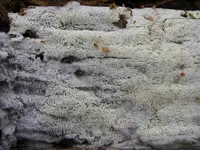
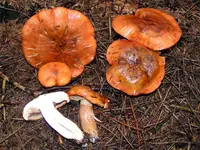
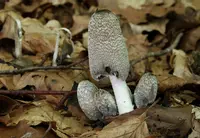
Cluster cap, Connopus acervatus, is a small saprobic mushroom that grows in dense clusters on decaying hardwood, especially beech. It forms thin, tawny to reddish-brown caps with slender pale stems. In nature it occurs across parts of Europe and North America, usually in moist, shaded woodlands where fallen logs and stumps provide a food source. This fungus recycles dead wood rather than growing in soil like typical houseplants. Because it depends on decaying timber and stable humidity, it is not an easy species for beginners to cultivate indoors. Those who care for Cluster Cap usually work with controlled, sterile substrates and consistent moisture to mimic its woodland habitat.

Care Difficulty
Moderate Care

Light Preference
Partial Shade

Water Requirements
Keep Soil Moist

Temperature Preference
Cool Climate

Hardiness Zone
Unknown

Soil Texture
Loamy, Silty, Organic-rich

Soil pH
Acidic (5.5–6.5), Slightly acidic (6.5–7.0)

Soil Drainage
Moist but well-drained

Fertilization
Minimal (feed rarely)
Scan your plant to receive care tips personalized for your specific plant
Available on iOS and Android
This saprophytic mushroom prefers cool, shaded woodland light rather than direct sun.
This wood-rotting fungus requires consistently moist, never waterlogged, conditions in its substrate.
This fungus develops fruiting bodies in cool to mild conditions and declines in heat or hard frost.
This wood-decaying fungus prefers consistently moist air but adapts to a broad humidity range outdoors.
Connopus acervatus grows best on decaying wood with a consistently moist, airy substrate rather than true mineral soil.
This species can be grown in containers when the substrate and moisture are controlled carefully.
Connopus acervatus typically grows on nutrient-rich dead wood and seldom benefits from added fertilizer in garden settings.
Pruning is rarely needed for Connopus acervatus because the visible mushrooms are short-lived fruiting bodies rather than a long-term plant structure.
Transplanting focuses on the underlying fungal mycelium rather than the short-lived fruiting clusters.
Propagation of Connopus acervatus is possible but mainly of interest to experienced fungal growers rather than casual gardeners.
This saprophytic fungus is generally cold hardy and needs minimal winter care once established outdoors.

Plant Health Check
Not sure what's wrong with your plant? Check your plant's health inside the app.
This small saprotrophic mushroom was long known as Gymnopus acervatus until molecular phylogenetic studies placed it in the separate genus Connopus, reflecting its distinct evolutionary lineage within the Marasmiaceae family.
The species forms dense, often overlapping clusters of slender stems and small caps on well-decayed hardwood, a growth habit that gives rise to the common name cluster cap and helps distinguish it from many similar woodland mushrooms.
As a wood-decaying fungus on fallen branches and logs of broadleaf trees, it plays a measurable role in breaking down lignin- and cellulose-rich tissues, recycling nutrients back into temperate forest soils.
This mushroom is considered inedible due to its small size, poor texture, and lack of culinary value. It is not known to be a desirable food source and should be left in place for decomposition roles.
Keep your plants happy and healthy with plant identification, disease detection, and easy care guidance.