Earthy Waxcap Care (Cuphophyllus fornicatus)

Earthy Waxcap

About Earthy Waxcap

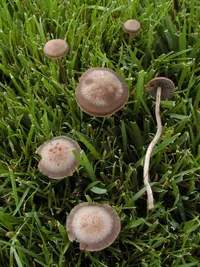
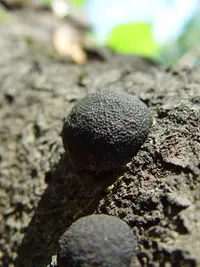
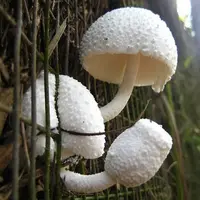
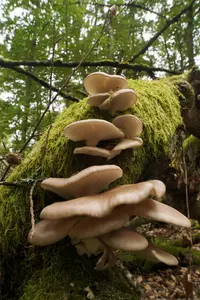
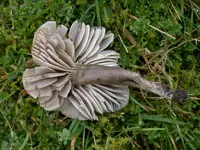
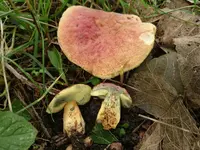
Earthy waxcap, Cuphophyllus fornicatus, is a small grassland mushroom rather than a leafy houseplant. It produces smooth, waxy caps in muted brown to earthy tones, usually scattered through short turf.

This species naturally occurs in unimproved grasslands, lawns, and pastures, often where soils are low in nutrients and not heavily fertilized. It tends to appear seasonally, emerging in moist conditions and then disappearing until the next suitable period.

Because it depends on specific soil conditions and low-disturbance habitats, it is not easy to cultivate intentionally, and most people simply care for Earthy Waxcap by maintaining suitable grassland rather than growing it in pots. It generally favors cool, moist environments with well-drained, undisturbed soil.

Main Plant Requirements

Care Difficulty

Hard Care

Light Preference

Partial Shade

Water Requirements

Regular Water

Temperature Preference

Cool Climate

Hardiness Zone

Unknown

Soil Texture

Loamy, Silty, Organic-rich

Soil pH

Acidic (5.5–6.5)

Soil Drainage

Moist but well-drained

Fertilization

Minimal (feed rarely)

Get Personalized Care Plan

Scan your plant to receive care tips personalized for your specific plant

Available on iOS and Android

How to Care for the Earthy Waxcap

Cuphophyllus fornicatus, known as the earthy waxcap, fruits best in cool sites with soft, indirect light.

  • Provide bright, filtered light or light dappled shade, equivalent to 2–4 hours of gentle morning sun with shade or high, thin cover the rest of the day.
  • Avoid strong, direct midday and afternoon sun, which can dry the turf and leaf litter, reducing fruiting and causing caps to fade and crack.
  • In summer, favor partial shade under open trees; in cooler seasons, ensure the site is not in deep, permanent shade that limits fungal energy production.

Watering for Cuphophyllus fornicatus focuses on keeping the surrounding turf and soil evenly moist, not saturated.

  • Aim for consistently moist soil in the top 3–5 cm; water when this layer feels barely damp rather than fully dry or muddy.
  • Use well-drained but humus-rich soil or lawn; after watering, surface moisture should soak in within 1–2 hours without puddles standing overnight.
  • During dry spells, deep-soak the area 1–2 times per week and watch for signs of stress such as shrinking, brittle caps (too dry) or slimy, collapsing caps (too wet).

This species prefers cool, mild conditions and fruits best in stable, moderate temperatures.

  • Optimal fruiting typically occurs around 50–65°F (10–18°C), with the fungal mycelium in the soil remaining active across a slightly wider range.
  • It tolerates brief drops near 28–32°F (-2–0°C), but repeated hard frosts or frozen ground can halt fruiting and damage exposed fruiting bodies.
  • Sustained heat above 77°F (25°C) combined with dry conditions reduces fruiting; provide shade and moisture in hot spells and expect better displays in cooler seasons.

This species has moderate humidity needs and usually manages in typical outdoor ranges if soil moisture is stable.

  • Target ambient humidity around 50–70% in sheltered, shaded sites to limit drying winds.
  • Tolerates brief drier spells, but prolonged air below 40% combined with dry soil can cause caps to crack and shrivel.
  • If conditions are very dry, use windbreaks, mulch, or nearby dense planting to reduce evaporation around Earthy Waxcap.

Cuphophyllus fornicatus requires consistently moist, well-structured soil to fruit reliably.

  • Provide a fine-textured, humus-rich loam with plenty of decayed plant material and minimal disturbance.
  • Ensure drainage is steady but not rapid; soil should stay evenly damp, never waterlogged or bone dry.
  • Aim for slightly acidic to neutral conditions, roughly pH 5.5–7.0, avoiding limed or heavily fertilized ground.
  • Improve aeration and moisture balance by incorporating leaf litter or well-rotted compost into the upper 5–10 cm only, keeping deeper layers undisturbed.

This species is generally unsuitable for long-term container growing because it relies on complex soil ecosystems.

Cuphophyllus fornicatus, commonly called earthy waxcap, is a wild grassland fungus that does not benefit from routine fertilization and is usually best left unfed.

Cuphophyllus fornicatus is a mushroom-forming fungus, so no horticultural pruning is involved in its management.

This waxcap is adapted to undisturbed grassland soils and is not suited to conventional repotting or transplanting.

  • Avoid lifting or moving fruiting bodies or underlying soil, as disturbance can disrupt the subterranean mycelium network.
  • If conservation is a goal, maintain existing turf or meadow rather than relocating the fungus to new sites.
  • Limit soil compaction, fertilization, and reseeding with aggressive grasses, which can weaken or displace existing colonies.
  • For container culture experiments, accept that long-term establishment is unlikely and stress on the organism will be high.

Cuphophyllus fornicatus is not typically propagated in home or garden settings and is best conserved by protecting its habitat.

This grassland fungus is naturally cold hardy in suitable climates and does not require active winter care from gardeners.

Care Tips

Habitat Microclimate

When establishing a patch, mimic short, unimproved grassland or mossy lawn edges by keeping surrounding vegetation low and avoiding soil enrichment so the fungus can maintain its natural grass–fungus community.

Low-Disturbance Mowing

If the site is in turf, mow only a few times per year at a higher setting, remove clippings instead of mulching them, and avoid mowing during peak fruiting to protect developing fruiting bodies.

Soil Compaction Control

Limit foot traffic, machinery use, and heavy objects on the fruiting area, since reduced compaction improves gas exchange in the upper soil layer and favors stable fungal mycelium.

Chemical-Free Management

Do not use fungicides, selective herbicides, or high-salt de-icing products near the colony, as these chemicals often damage waxcap mycelium and can halt long-term establishment when growing Earthy Waxcap.

Monitored Grass Competition

If coarse grasses start to dominate, selectively thin them by hand or with a rake rather than reseeding or fertilizing, maintaining a more open, low-nutrient sward that better supports this waxcap species.

Common Pests and Diseases

Fungal mycelial competitors

This disease involves faster-growing saprobic fungi overrunning the waxcap mycelium in the soil or turf, leading to weak or absent fruiting bodies. Symptoms include declining numbers of caps in a site that previously produced regular flushes.

Solution

Reduce heavy nutrient inputs such as high-nitrogen fertilizers and avoid importing rich topsoil so the turf remains low in nutrients, which favors waxcaps over aggressive decomposer fungi. Maintain short, lightly managed grass and avoid repeated mechanical disturbance of the soil to help the existing mycelium compete more effectively, which is central to sustainable Cuphophyllus fornicatus care instructions.

Grass thatch smothering

This problem occurs when a dense layer of dead grass and moss builds up, physically blocking waxcap fruiting and altering surface moisture. Symptoms include healthy-looking turf with heavy thatch but very few or no visible mushrooms where they were once present.

Solution

Scarify or rake the turf gently once or twice a year to thin the thatch layer without stripping the soil surface. Combine this with moderate mowing and removal of clippings so caps can emerge through the sward and release spores effectively.

Nutrient enrichment stress

This condition arises when lawn or pasture receives repeated fertilizer, manure, or nutrient-rich runoff, which shifts the fungal community and suppresses waxcap growth. Symptoms include a transition from species-rich, low-input grassland with waxcaps to a lush, dark green sward dominated by vigorous grasses but with no fruiting bodies.

Solution

Stop applying fertilizer, compost, or manure and redirect nutrient-rich runoff away from the area. Over several years, maintain low-intensity management such as light grazing or infrequent mowing with removal of clippings so soil nutrients gradually decline and conditions become suitable again for fruiting.

Soil compaction damage

This problem is caused by heavy foot traffic, vehicles, or livestock concentrated in small areas, which compresses the soil and disrupts the waxcap mycelium. Symptoms include bare patches, puddling after rain, and loss of mushrooms along worn paths or gathering spots.

Solution

Redirect footpaths, limit vehicle access, and spread livestock pressure more evenly to allow soil structure to recover. On compacted ground, reduce use and, where feasible, lightly aerate with shallow tines without inverting the soil to restore pore space and drainage for the underlying mycelium.

Interesting Facts

Distinct earthy aroma

The earthy waxcap produces a noticeable soil-like or musty odor when fresh, which is one reason for its common name and helps field mycologists separate it from other waxcap species with more fruity or neutral scents.

Wax-coated gills

Like other waxcaps, this species has thick, waxy gills that feel greasy or smooth to the touch, a result of specialized cell structure that gives the whole group its characteristic shiny, almost translucent appearance when moist.

Grassland habitat specialist

This fungus is typically associated with unimproved grasslands and mossy lawns rather than forests, and it often indicates older, low-fertilizer turf where soil nutrients and management practices have remained relatively stable over time.

FAQs about Earthy Waxcap

This fungus is generally regarded as inedible. It is small, insubstantial, and not used as food. Identification of waxcaps is difficult, so for safety it is best to avoid eating this species altogether.

Grow Healthy Plants with Botan Care

Keep your plants happy and healthy with plant identification, disease detection, and easy care guidance.

Botan plant care app — identify plants on mobile

Explore More Plants