bowl hoodie Care (Calyptella capula)

bowl hoodie

About bowl hoodie

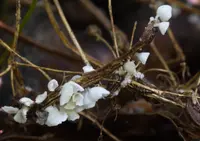
Bowl hoodie, Calyptella capula, is a small cup-shaped fungus rather than a traditional leafy houseplant. It forms tiny, pale bowl-like fruiting bodies on decaying wood or plant debris. In nature it is typically found in damp, shaded forests and gardens, where it helps break down dead organic material. It is not commonly cultivated indoors, and its delicate size and specific substrate needs make it more of a curiosity than a practical decorative species. For those interested in fungi cultivation, learning how to care for bowl hoodie starts with providing consistently moist, clean woody material in a stable, humid environment.


Main Plant Requirements

Care Difficulty

Moderate Care

Light Preference

Partial Shade

Water Requirements

Regular Water

Temperature Preference

Warm Climate

Hardiness Zone

Unknown

Soil Texture

Loamy, Organic-rich

Soil pH

Slightly acidic (6.5–7.0)

Soil Drainage

Moist but well-drained

Fertilization

Minimal (feed rarely)

Get Personalized Care Plan

Scan your plant to receive care tips personalized for your specific plant

Available on iOS and Android

How to Care for the bowl hoodie

Calyptella capula, sometimes called bowl hoodie, develops best in low to moderate forest light rather than direct sun.

  • Provide bright, dappled shade or filtered light, similar to a woodland floor; 1–3 hours of soft morning sun is acceptable, but avoid direct midday or afternoon sun.
  • Sites with partial shade under shrubs, logs, or low branches help maintain even light and humidity, which supports consistent fruiting.
  • Too much direct sun causes drying and shriveling, while deep, continuous shade can limit formation of fruiting bodies; adjust exposure seasonally as tree canopies thicken or thin.

Calyptella capula prefers consistently moist, humus-rich woodland substrates rather than drying out between rains.

  • Aim for evenly moist soil or decaying wood; if the upper 2–3 cm feel dry or crumbly, moisture is too low for reliable fruiting.
  • Good drainage is still important; pooled or stagnant water encourages rot and reduces oxygen around fungal tissues.
  • In warm, dry periods, supplement natural rainfall with gentle soaking, and watch for shriveling or pale caps as a sign of dryness, versus slimy, collapsing growth with sour odor as a sign of excess moisture.

This species favors mild, cool to moderately warm conditions and declines in temperature extremes.

  • Optimal development generally occurs around 55–72°F (13–22°C), typical of shaded woodland or sheltered garden microclimates.
  • Growth slows noticeably below about 45°F (7°C) and sustained frost can damage or halt fruiting structures, though underground mycelium may persist.
  • Short heat spikes up to about 80–82°F (27–28°C) are tolerated if shade and moisture are stable, but extended hot, dry weather often leads to rapid drying and disappearance of fruiting bodies.

This small saprotrophic fungus prefers consistently moist, humid air to fruit well.

  • Aim for 70–90% humidity in sheltered, shaded spots, similar to a damp forest floor or decaying wood pile.
  • It tolerates brief drops to 50–60% but fruiting bodies dry, shrivel, and abort in prolonged dry air.
  • Increase humidity by keeping substrate evenly moist, using surrounding mulch, and positioning near other damp organic materials when caring for bowl hoodie.

Calyptella capula develops best on loose, organic-rich substrates that mimic decomposing plant material.

  • Use a fibrous, humus-rich medium such as finely shredded hardwood chips mixed with leaf mold or compost for structure and nutrients.
  • Ensure very free drainage so water passes through quickly but the substrate remains slightly moist, not waterlogged or compacted.
  • Maintain a slightly acidic to neutral reaction, around pH 5.5–7.0, which favors fungal colonization of woody and leafy debris.
  • Improve aeration by blending in coarse bark fines or chunky wood pieces and avoid dense, clay-heavy or peat-only mixes that stay soggy.

This species can be grown in shallow containers that hold moist, decomposing organic matter rather than traditional potting soil.

  • Choose a broad, shallow tray so the colonized substrate layer stays thin, encouraging even fruiting across the surface.
  • Drill multiple side and base holes so excess water drains rapidly while still allowing high local humidity around the substrate.
  • Opt for opaque plastic or glazed ceramic containers to reduce light penetration and slow surface drying of the decomposing material.

Calyptella capula is a saprophytic fungus that gains nutrients from decaying organic matter and does not need targeted fertilization in cultivation.

Pruning is not a standard practice for Calyptella capula because the fruiting bodies are short-lived fungal structures rather than persistent shoots.

When grown experimentally on substrates, this species is managed by refreshing the medium rather than traditional repotting.

  • Replace the colonized substrate when growth slows or the surface is exhausted, rather than waiting for visible root binding.
  • Time any transfer to a fresh, moist organic medium for mild conditions, avoiding temperature extremes that stress fungal mycelium.
  • Move substrate in chunks, disturbing the white mycelial network as little as possible to reduce stress and resume growth quickly.
  • Use clean tools and containers to limit contamination, since competing fungi and bacteria can quickly overrun the culture.

Propagation of Calyptella capula is specialized and usually carried out by mycology enthusiasts or laboratories rather than home growers.

In natural settings this fungus tolerates seasonal changes without human intervention, so dedicated winter care is usually unnecessary for bowl hoodie.

Care Tips

Stable fruiting surface

Place small, sterilized hardwood chips or well-aged twigs in a shallow, ventilated tray as a stable substrate so the fungus can fruit repeatedly on the same clean material instead of decomposing random debris that may introduce pests or competing molds.

Controlled air exchange

Provide gentle, indirect air movement with a small fan on a low setting aimed past, not directly at, the culture to reduce condensation on the fruiting bodies and limit bacterial growth without drying the substrate too quickly.

Clean handling routine

Use clean tweezers or gloved hands to remove spent fruiting bodies and obviously contaminated material, then lightly mist only the substrate surface to avoid splashing spores and microorganisms onto fresh caps.

Staggered substrate batches

Prepare 2–3 small batches of colonized substrate started 1–2 weeks apart so that if one batch collapses from contamination or drying, another tray can continue producing fruiting bodies for observation or study.

Low-light observation

When observing or photographing the caps, use diffuse, low-intensity light or indirect side lighting rather than a strong close lamp, which can heat and dry the delicate tissue quickly and complicate long-term Calyptella capula care.

Common Pests and Diseases

Fungus gnat larvae

This pest can develop in persistently damp substrate used for cultivating this small fungus, where larvae feed on decaying organic matter and delicate fungal structures. Symptoms include thinning or collapse of small fruiting bodies and the presence of tiny black adult flies around culture containers.

Solution

Allow the substrate surface to dry slightly between misting, improve ventilation, and use fine mesh or tight-fitting lids with air holes to reduce adult access. Sticky traps help capture flying adults, and a biological control such as Bacillus thuringiensis israelensis (Bti) in the watering regime can suppress larvae without harming the fungi when used according to label directions.

Mite infestation

These insects are microscopic arthropods that readily colonize high-humidity culture boxes or dishes containing this species. Symptoms include distorted or halted development of the minute cup-like fruiting bodies and visible moving specks on the substrate under magnification.

Solution

Reduce overcrowding and humidity peaks by improving airflow and avoiding waterlogged conditions, then discard heavily infested cultures. For valuable cultures, transfer uncontaminated tissue or spores to fresh sterile media and use tight but breathable covers to physically exclude mites, cleaning surrounding work surfaces thoroughly to remove residual populations.

Competing mold contamination

This disease occurs when fast-growing molds such as Trichoderma or Penicillium overrun the substrate or agar before this fungus can establish. Symptoms include dense green, blue, or white fuzzy growth that smothers or replaces the fine mycelium and prevents normal fruiting.

Solution

Discard contaminated batches promptly, sterilize or pasteurize fresh substrate thoroughly, and work with the cleanest possible tools and containers. When attempting Calyptella capula plant care in controlled culture, start from clean spore prints or tissue, maintain good air exchange without direct drafts, and isolate new cultures to monitor for hidden mold before placing them near established ones.

Bacterial slime

This disease develops in overly wet, stagnant setups where organic matter decomposes anaerobically, favoring bacterial films. Symptoms include slimy, foul-smelling patches on substrate surfaces and rapid collapse or discoloration of delicate fruiting cups.

Solution

Remove and discard affected material and reduce overall moisture by switching from constant saturation to light, intermittent misting. Improve hygiene by sterilizing containers, using clean water, and ensuring some air movement so surfaces dry slightly between waterings, which strongly limits bacterial spread.

Interesting Facts

Minute bell-shaped fruiting bodies

This species produces tiny, bell- or hood-shaped fruiting bodies only a few millimeters across, with a smooth, pale to whitish exterior and a hollow interior that gives them a delicate, translucent look when backlit.

Saprotroph on herbaceous stems

It lives as a saprotrophic fungus, decomposing dead herbaceous stems and plant debris, especially on grasses and other small plants, and plays a role in recycling nutrients in meadows, field margins, and similar habitats.

Distinctive microscopic features

Identification relies heavily on microscopy, as it has small, smooth, inamyloid spores and characteristic club-shaped basidia that help distinguish it from other tiny cup- and bell-like fungi.

FAQs about bowl hoodie

This fungus is very small and not considered a food source. It is usually classified as inedible rather than poisonous, mainly due to its insubstantial size and lack of culinary value, so it should not be harvested for eating.

Grow Healthy Plants with Botan Care

Keep your plants happy and healthy with plant identification, disease detection, and easy care guidance.

Botan plant care app — identify plants on mobile

Explore More Plants