Allium zebdanense Care

Allium zebdanense

About Allium zebdanense

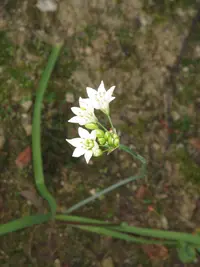
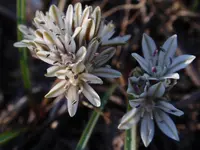
Allium zebdanense is a small bulbous perennial from the eastern Mediterranean, noted for its delicate white, star-shaped flowers held in loose clusters above slender foliage. It forms low clumps that emerge in spring and flower in late spring to early summer, then often go dormant after blooming.

In nature, it is found in rocky, open habitats, which explains its preference for well-drained, light soils and moderate moisture. Its compact size, tolerance of poor soils, and relatively low maintenance needs make it suitable for rock gardens, informal borders, and naturalistic plantings. Gardeners who want to care for Allium zebdanense usually find it straightforward if drainage is good and competition from larger plants is limited.

Main Plant Requirements

Care Difficulty

Easy Care

Light Preference

Partial Sun

Water Requirements

Moderate Water

Temperature Preference

Cold Hardy

Hardiness Zone

5–9

Soil Texture

Sandy, Loamy, Rocky

Soil pH

Slightly acidic (6.5–7.0), Neutral (7.0)

Soil Drainage

Well-drained

Fertilization

Minimal (feed rarely)

Get Personalized Care Plan

Scan your plant to receive care tips personalized for your specific plant

Available on iOS and Android

How to Care for the Allium zebdanense

This bulb prefers bright conditions that mimic an open, lightly shaded meadow.

  • Provide 4–6 hours of direct sun, best as morning sun with light afternoon shade, to support compact growth and reliable flowering in Allium zebdanense.
  • Allow partial shade, especially in hotter regions, such as dappled light under high-branched shrubs, to reduce leaf scorch and soil moisture loss.
  • In summer, protect from harsh west-facing afternoon sun; in cooler seasons, ensure plants are not heavily shaded by taller perennials or shrubs.

This species prefers moist but not saturated soil, especially during active growth and flowering.

  • Water only when the top 3–5 cm of soil feels dry, then soak the root zone and allow excess to drain freely to prevent bulb rot in Allium zebdanense.
  • During spring growth and bloom, expect to water more often in sandy or fast-draining soils, less often in clay or after steady rainfall.
  • Reduce watering sharply once foliage begins to yellow and die back, and watch for signs of stress such as limp, folding leaves from drought or soft, mushy bulbs from overwatering.

This hardy bulb tolerates cool winters and mild to warm summers when given appropriate soil conditions.

  • Active growth and flowering occur best at 55–70°F (13–21°C), with bulbs preferring cool, moist spring conditions followed by drier, warmer early summer.
  • Dormant bulbs typically tolerate winter lows down to about 0°F (−18°C) if soil drains well and does not stay waterlogged in freezing periods.
  • In hot summers above 85°F (29°C), provide some afternoon shade and mulch to moderate soil temperature, but avoid heavy, wet mulches that hold cold moisture against bulbs.

This bulb is adapted to relatively dry air and does not need special humidity control indoors or outdoors.

  • Target 30–50% air humidity, similar to most heated homes, without deliberate humidifying.
  • Dry indoor air is usually tolerated; browning leaf tips more often indicate underwatering or excess fertilizer than low humidity.
  • If air is extremely dry and leaves shrivel, place the pot away from direct heat vents and group with other plants to slightly raise local humidity.

This bulb prefers light, well-aerated, free-draining soil that never stays waterlogged.

  • Use a sandy or loamy mix with 30–40% mineral grit such as coarse sand or fine gravel to keep pores open around the bulbs.
  • Aim for slightly alkaline to neutral pH, roughly 6.8–7.5, which suits Allium zebdanense and helps prevent nutrient lockout.
  • In containers, combine standard potting mix with perlite and coarse sand in roughly equal parts for improved drainage and aeration.
  • Avoid heavy clay, compacted beds, or any mix that forms puddles after watering, as stagnant moisture quickly rots bulbs and roots.

This species is suitable for containers, especially where garden space or drainage is limited.

  • Choose a pot at least 20–25 cm deep so bulbs can sit several centimeters below the rim with room for root spread.
  • Select a heavier material like ceramic or clay if placing outside, as this helps stabilize tall flower stems against wind.
  • Slightly underfill the pot with mix to keep the soil surface below the rim, which reduces runoff and allows even watering around all bulbs.

This small bulb from the eastern Mediterranean needs only light feeding in average garden soil.

  • For Allium zebdanense in the ground, mix a thin layer of compost over the bed in early spring before shoots emerge.
  • In poorer soils, apply a balanced slow-release fertilizer (around 10-10-10) once in early spring at label rate.
  • For containers, use a half-strength balanced liquid feed every 4–6 weeks during active growth only.
  • Stop feeding once foliage begins to yellow and die back, as the plant is entering dormancy.

Pruning needs for this ornamental allium are minimal and mainly focused on tidiness and bulb health.

  • Cut spent flower heads at the base once they fade if self-seeding is not desired, or leave them for ornamental seed heads.
  • Remove yellowing or diseased leaves with clean, sharp scissors or hand pruners to reduce fungal spread.
  • Do not cut healthy green foliage early; allow leaves to wither naturally so bulbs can store energy for next season.
  • Avoid heavy cutting or reshaping, since Allium zebdanense grows from bulbs and does not respond like woody shrubs.

This bulb is usually grown in the ground, with transplanting focused on lifting and dividing clumps rather than frequent repotting.

  • Transplant or divide every 3–5 years when flowering declines, clumps become crowded, or bulbs push to the soil surface.
  • Plan work for late summer to early fall, after foliage has fully died back and bulbs are dormant.
  • Lift bulbs gently with a fork, tease apart offsets, discard any soft or diseased bulbs, and replant at the same depth in fresh soil.
  • Water lightly after replanting to settle soil, then keep conditions slightly dry to reduce rot and stress on recovering roots.

This species is most commonly propagated by bulb division, with seed used mainly in more specialized setups.

  • Divide mature clumps in late summer or early fall when bulbs are dormant and foliage has disappeared.
  • Lift the clump carefully, separate firm offsets from the parent bulb, and discard any damaged or soft material.
  • Replant offsets immediately at 2–3 times their bulb height, in well-drained soil and full sun to light shade.
  • For seed, sow fresh seed in pots outdoors, allow natural winter chilling, and keep the mix evenly moist until germination.

This hardy bulb tolerates typical winters in many temperate regions and needs only modest attention outdoors.

  • In USDA zones where ground freezes, a 5–7 cm layer of mulch over the planting area helps buffer temperature swings.
  • Allow foliage to die back naturally before removing it; the bulb survives underground through winter.
  • In very cold or poorly drained sites, grow Allium zebdanense in containers and move pots to a cold, frost-free but bright place.

Care Tips

Staggered Bulb Planting

Plant bulbs in clusters at slightly different depths (for example 7–9 cm and 9–11 cm) to extend the bloom display and reduce the chance that a single late frost spoils the entire planting.

Seed Head Management

After flowering, leave some seed heads to mature fully for self-sowing in informal areas, but remove most of them in more controlled beds to prevent overcrowding and maintain consistent display quality.

Bulb Clump Renewal

Every 3–4 years, lift and divide congested clumps in late summer dormancy, replanting only firm, healthy bulbs to keep flowering strong and to spread the planting to new areas.

Targeted Rodent Deterrence

In gardens with heavy vole or mouse activity, set bulbs inside fine wire mesh baskets before planting so the roots can grow freely while the bulbs remain protected from chewing damage.

Companion Groundcover Use

Underplant with shallow-rooted, low groundcovers such as creeping thyme to help shade the soil surface, suppress weeds, and visually hide fading foliage while still allowing enough light and air movement for growing Allium zebdanense.

Common Pests and Diseases

Onion fly

This pest lays eggs at the base of the bulbs and the larvae tunnel into bulbs and roots, causing yellowing and collapse of foliage.

Solution

Use fine mesh or insect netting over the planting area from early spring to prevent egg laying, rotate plantings away from previous Allium beds, and remove and destroy any affected bulbs. In home gardens, applying beneficial nematodes to the soil and mounding clean soil over the bulb zone can reduce larval damage.

Allium leaf miner

This pest is a small fly whose larvae create winding mines in leaves and can burrow into flower stalks and bulbs, leading to distorted, weak growth.

Solution

Use row covers as soon as foliage emerges to block adult flies, and remove and dispose of mined leaves and any soft, damaged bulbs. In regions where this pest is established, time planting so that vulnerable growth avoids peak flight periods and avoid leaving Allium debris in the soil over winter.

Downy mildew

This disease causes pale, yellowish patches on leaves that develop into grey or purplish fuzzy growth, often leading to leaf collapse in cool, damp weather.

Solution

Space clumps to improve airflow, avoid overhead watering, and remove infected foliage promptly to reduce spread. In areas with repeated issues, choose well-drained, sunny sites, water at soil level in the morning, and consider using a labeled copper-based fungicide as a preventive spray during prolonged cool, wet periods.

Basal rot

This disease starts at the base of the bulb, causing brown, sunken tissue, stunted shoots, and eventual plant collapse, often in warm, poorly drained soils.

Solution

Plant bulbs in well-drained soil, avoid overwatering, and never replant Allium bulbs in beds with a history of rot for several years. Discard any soft, discolored bulbs before planting and remove and destroy any plants that show basal decay to limit spread in the bed.

Narcissus bulb fly

This pest is a large fly whose larvae bore into ornamental bulbs, including some Allium species, hollowing out the bulb and preventing normal growth or flowering.

Solution

Inspect bulbs before planting and discard any that feel unusually light or soft, and cover newly planted bulbs with at least 10 cm of soil to make access harder for egg‑laying adults. In gardens with recurring problems, lift and inspect bulbs during dormancy, destroy infested ones, and consider using physical barriers like soil covers or mesh during the main flight period.

Interesting Facts

Native Levantine bulb

This species is native to the eastern Mediterranean, especially Lebanon and surrounding areas, where it grows on rocky slopes and open woodland edges in well-drained, often calcareous soils.

Soft white umbels

Its small, starry, white flowers are carried in loose, rounded umbels on slender stalks, giving a delicate, airy appearance that contrasts with the more rigid, spherical inflorescences of many ornamental onions.

Subtle evening fragrance

The flowers release a light, sweet scent that is most noticeable in still, mild weather and can attract small pollinating insects such as bees and hoverflies.

FAQs about Allium zebdanense

This species usually flowers in late spring to early summer, depending on climate. The blooming window is fairly short, often 2–4 weeks, but bulbs can naturalize and form more flowering clumps over time.

Grow Healthy Plants with Botan Care

Keep your plants happy and healthy with plant identification, disease detection, and easy care guidance.

Botan plant care app — identify plants on mobile

Explore More Plants