


Encourage Compact Shape
Pinch back soft stem tips after flowering to keep the plant compact and encourage branching, which produces more hanging bell clusters the following season.

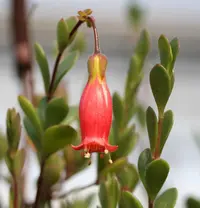
Beach bells (Kalanchoe manginii) is a compact, trailing succulent known for its arching stems and tubular, bell-shaped flowers in warm orange to salmon tones. The fleshy, rounded leaves store water, so the plant tolerates short dry periods better than constant moisture.
This species comes from rocky areas of Madagascar, where it grows in bright, filtered light with sharp drainage. Its drought tolerance and modest growth rate make it suitable for hanging baskets and containers indoors.
For those learning how to care for beach bells, it is generally considered an easy, low-maintenance houseplant if given bright light, well-drained soil, and protection from cold drafts.

Care Difficulty
Easy Care

Light Preference
Bright Indirect Light

Water Requirements
Low Water

Temperature Preference
Tropical / Frost Sensitive

Hardiness Zone
10–12

Soil Texture
Sandy, Loamy, Organic-rich

Soil pH
Acidic (5.5–6.5), Slightly acidic (6.5–7.0)

Soil Drainage
Well-drained

Fertilization
Light (every 4–6 weeks)
Scan your plant to receive care tips personalized for your specific plant
Available on iOS and Android
Kalanchoe manginii prefers bright, indirect light with some gentle direct sun each day.
This succulent stores moisture in its leaves and needs thorough but infrequent watering.
This species prefers warm, stable conditions and does not tolerate frost.
This succulent prefers relatively dry air and usually does well in typical indoor humidity.
Use a fast-draining, airy mix that mimics a rocky, sandy habitat.
This species is well-suited to container growing, including hanging baskets.
This succulent benefits from light, controlled feeding rather than heavy fertilization.
Thoughtful pruning keeps Kalanchoe manginii compact and encourages better flowering.
Repotting maintains healthy roots and supports stable, compact growth in containers.
New plants are most often produced from stem cuttings taken from healthy growth.
This species is frost-tender and needs protection in regions with cold winters.

Plant Health Check
Not sure what's wrong with your plant? Check your plant's health inside the app.
This species is native to rocky cliffs and outcrops in Madagascar, where it grows in crevices with very shallow, fast‑draining substrates and intense light.
It produces hanging, bell‑shaped orange to salmon tubular flowers on arching stems, an adaptation that facilitates pollination by birds and long‑tongued insects that can access nectar from below.
Its small, rounded leaves are true succulent organs with thick water‑storage tissue and a waxy cuticle, allowing the plant to maintain metabolism during prolonged dry periods common in its native habitat.

This species, together with a few close relatives, helped botanists define a distinct group within the genus Kalanchoe characterized by trailing or arching stems and pendulous tubular flowers, and it is often used in horticultural breeding to introduce these traits into new ornamental hybrids.
Lack of blooms usually comes from insufficient light, too much nitrogen fertilizer, or no cool, dry rest in winter. Provide bright conditions, avoid heavy feeding, and give a slightly cooler, drier period to set flower buds.
Keep your plants happy and healthy with plant identification, disease detection, and easy care guidance.


binh voi
Stephania pierrei
 POPULAR
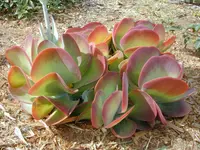
Flapjacks plant
Kalanchoe thyrsiflora
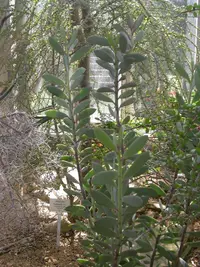
Lavender Steps
Senecio crassissimus
 POPULAR
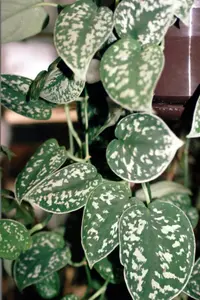
Satin Pothos
Scindapsus pictus
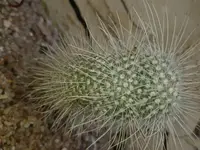
greenflower nipple cactus
Cochemiea barbata
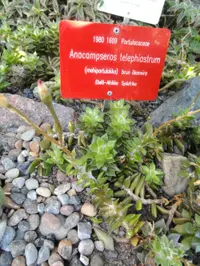
Large-flowered Sandrose
Anacampseros telephiastrum
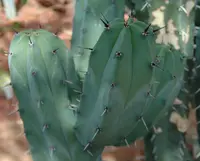
Bilberry Cactus
Myrtillocactus geometrizans
Dumbcane
Dieffenbachia 'Panther'