Rotate For Pattern
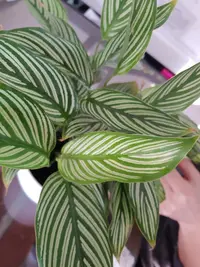
Quarter-turn the pot every 2–3 weeks so all sides receive similar light, which keeps the variegation even and prevents the stems from leaning strongly in one direction.

Dieffenbachia 'Panther', commonly called dumbcane, is a tropical foliage houseplant grown for its bold, patterned leaves. It is typically upright and bushy, making it useful as a statement plant indoors.
This cultivar has large, oval leaves with marbled green tones and lighter speckling, giving it a dense, jungle-like look even in small spaces. In its wild relatives, Dieffenbachia naturally occurs in warm, shaded forests of Central and South America.
It is considered moderately easy to grow, as long as it receives stable warmth, no direct harsh sun, and evenly moist but not waterlogged soil. Understanding how to care for Dumbcane mainly involves providing consistent conditions and avoiding cold drafts or very dry air.

Care Difficulty
Moderate Care

Light Preference
Bright Indirect Light

Water Requirements
Moderate Water

Temperature Preference
Tropical / Frost Sensitive

Hardiness Zone
11–12

Soil Texture
Loamy, Peaty, Organic-rich

Soil pH
Acidic (5.5–6.5), Slightly acidic (6.5–7.0)

Soil Drainage
Moist but well-drained

Fertilization
Light (every 4–6 weeks)
Scan your plant to receive care tips personalized for your specific plant
Available on iOS and Android
Dieffenbachia 'Panther' grows best in bright, filtered light that mimics a forest understory.
Dieffenbachia 'Panther' prefers evenly moist but not saturated soil.
This plant prefers consistently warm, stable temperatures without sudden swings.
This plant prefers moderately high household humidity to keep foliage healthy and prevent leaf edge damage.
This plant grows best in a loose, airy, organic-rich mix that drains quickly yet holds steady moisture.
This species is well suited to container growing due to its upright, clumping habit and moderate root system.
Balanced feeding supports steady foliage growth in Dieffenbachia 'Panther' without causing weak, leggy stems.
Thoughtful pruning keeps Dieffenbachia 'Panther' compact, safe, and visually balanced.
Occasional repotting maintains root health and supports upright, vigorous growth in Dieffenbachia 'Panther'.
Vegetative propagation of Dieffenbachia 'Panther' is common and helps refresh older plants.
Indoor Dieffenbachia 'Panther' needs modest winter adjustments since it is not frost tolerant.

Plant Health Check
Not sure what's wrong with your plant? Check your plant's health inside the app.
The cultivar name Panther refers to the strongly mottled, contrasting pattern on the leaves, which resembles a big cat’s coat more than the softer speckling of many older Dieffenbachia types.
This cultivar was selected for its relatively compact, upright growth compared with many large Dieffenbachia forms, which makes it suited to modern indoor spaces where a full-size species plant would be too large.
The patterned variegation of this plant is genetically fixed rather than caused by random mutation, so plants propagated from stem cuttings maintain the same mottled look instead of reverting to plain green foliage.
Yellowing leaves usually result from overwatering, poor drainage, or natural aging of lower foliage. Check that the pot has drainage holes, empty saucers, and allow the top layer of potting mix to dry slightly before watering again.
Keep your plants happy and healthy with plant identification, disease detection, and easy care guidance.