weeping furcraea Care (Furcraea parmentieri)

weeping furcraea

About weeping furcraea

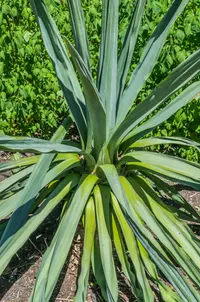
Weeping furcraea (Furcraea parmentieri) is a large succulent from highland regions of Mexico, often grown as an architectural accent plant. It forms a tall trunk topped with a rosette of long, narrow, arching leaves that create a graceful, fountain-like silhouette.

In mild climates it can reach tree-like size outdoors, while in colder regions it is kept in large containers and moved under cover in winter. The plant is drought tolerant but slow to mature, which makes care for weeping furcraea relatively straightforward if given strong light, very well-drained soil, and protection from hard frost.

Main Plant Requirements

Care Difficulty

Moderate Care

Light Preference

Full Sun

Water Requirements

Low Water

Temperature Preference

Warm Climate

Hardiness Zone

8–11

Soil Texture

Sandy, Loamy, Rocky

Soil pH

Slightly acidic (6.5–7.0), Neutral (7.0)

Soil Drainage

Well-drained

Fertilization

Minimal (feed rarely)

Get Personalized Care Plan

Scan your plant to receive care tips personalized for your specific plant

Available on iOS and Android

How to Care for the weeping furcraea

This highland succulent thrives in bright, open sites with strong sun and good air movement.

  • Provide 6–8 hours of direct sun daily; morning and midday sun suit weeping furcraea, while harsh, reflected afternoon sun in very hot climates can scorch leaves.
  • In hot lowland areas, use light afternoon shade or filtered light from a tree or shade cloth to reduce leaf burn and stress.
  • In cooler regions, plant in the sunniest, south-facing exposure so shorter winter days still deliver strong light and maintain compact growth.

This species prefers deep but infrequent watering in sharply drained soil.

  • Water only when the top 5–8 cm of soil are completely dry, then soak the root zone and let excess drain away fully.
  • During warm active growth, drying between waterings is essential; in cool or rainy seasons, watering may be needed only every few weeks in the ground.
  • Signs of overwatering in Furcraea parmentieri include yellowing, soft leaves and crown rot, while underwatering shows as slow growth and prolonged leaf curling.

This plant is adapted to mild, dry, highland climates with moderate temperature swings.

  • Best growth occurs around 65–80°F (18–27°C), with warm days and cooler nights promoting sturdy rosettes and strong root development.
  • Mature plants tolerate brief drops to about 25–28°F (-4 to -2°C), but foliage damage increases below freezing and prolonged frost can kill the growing point.
  • Heat tolerance is good up to about 95°F (35°C) if soil drains fast and air is moving; combine shade and dryness in heat waves to reduce stress.

Humidity is rarely a concern for this species, which thrives in dry air.

This species prefers a very free-draining, mineral-based substrate that mimics rocky slopes.

  • Use a gritty mix such as 50–60% coarse sand or fine gravel with 40–50% cactus potting mix to prevent waterlogging.
  • Aim for slightly acidic to slightly alkaline soil, around pH 6.0–7.5, as Furcraea parmentieri tolerates a broad range.
  • Incorporate perlite or pumice to increase aeration, especially in heavier commercial mixes used outdoors.
  • Avoid compacted, clay-heavy, or water-retentive substrates that stay wet for more than 1–2 days after watering.

This species can be grown in containers, especially in regions with cold winters.

  • Select a wide, heavy pot to prevent tipping as the rosette becomes tall and top-heavy.
  • Choose a mineral-based mix in a deep container that allows the long taproot to extend downward without curling tightly.
  • Use thick-walled terracotta or concrete to reduce moisture retention and improve stability in windy, exposed positions.

This drought-tolerant species needs only light feeding, so caring for weeping furcraea focuses more on sun and drainage than fertilizer.

  • Use a low-dose balanced succulent fertilizer or very dilute balanced liquid (around 1/4 strength).
  • Feed once in late spring and once in midsummer during active growth only.
  • Avoid fertilizing in fall and winter to prevent soft, frost-tender growth.
  • Do not apply fertilizer onto dry roots; water lightly first, then feed.

Pruning Furcraea parmentieri is minimal and focuses on hygiene rather than shaping.

  • Best time for any pruning is late spring or early summer in dry weather.
  • Remove dead, damaged, or pest-infested leaves at the base using clean, sharp pruners.
  • Trim spent flower stalks after they wither to keep the rosette tidy and direct energy to roots.
  • Avoid heavy cutting of healthy leaves, which can weaken the plant and distort its form.

This plant is most often grown in the ground, so transplanting is more common than repotting.

  • Transplant or shift containers in late spring once frost risk has passed.
  • Look for roots circling the pot, bulging containers, or stalled growth as signals to move it up 1 pot size.
  • Use a very free-draining, gritty mix and keep the original root ball largely intact to limit stress.
  • Water lightly after transplanting, then allow the mix to dry between waterings while roots re-establish.

Propagation of Furcraea parmentieri relies mainly on bulbils and sometimes seeds.

  • Collect bulbils that form on old flower stalks; choose firm, undamaged pieces.
  • Plant bulbils in a gritty, barely moist mix in late spring or early summer with bright, indirect light.
  • Maintain warmth around 70–80°F and good airflow to reduce rot during early rooting.
  • Seed propagation is possible but slow; sow fresh seed shallowly in well-drained medium and keep just slightly moist.

Winter care depends strongly on climate, as this species tolerates only light frost.

  • In USDA zones 9–10, mature plants usually withstand brief dips near 25–28°F if soil drains well.
  • In colder regions, grow in large containers and move indoors to a bright, cool, frost-free space.
  • Mulch the root zone of in-ground plants with 5–8 cm of coarse, dry material in late fall.

Care Tips

Stabilize Top-Heavy Plants

As the rosette gains height and weight, use a heavy, wide-based container or add bricks inside decorative pots to prevent tipping, especially in windy or exposed spots.

Encourage Strong Rooting

When potting or repotting, plant the base slightly above the soil line and firmly tamp the mix around the roots so the crown stays dry and the plant does not rock in the wind.

Manage Leaf Spines Safely

When working around the plant, wear thick gloves and long sleeves, and use long-handled tools to remove damaged leaves so the sharp leaf margins do not cause injury.

Support Flowering Stalk

If a tall flower spike develops, drive one or two sturdy stakes into the soil and loosely tie the stalk in at several points to prevent breakage from wind or the weight of developing bulbils.

Propagate From Bulbils

After flowering, collect small bulbils from the spent stalk, let them dry for 1–2 days, then plant them in a fast-draining mix to create genetically identical plants and extend the collection when growing weeping furcraea.

Common Pests and Diseases

Agave snout weevil

This pest bores into the base of the rosette and feeds inside the stem and core, causing sudden collapse of large leaves and eventual plant death. Symptoms include wilting despite adequate water, yellowing lower leaves, and a foul smell from the crown when the damage is advanced.

Solution

Remove and destroy any heavily infested plants, including the main stem and roots, to prevent the weevils from completing their life cycle. For early or preventive management, avoid fresh wounds at the plant base, keep the area free of decaying leaf litter, and in outdoor plantings use a systemic insecticide labeled for snout weevils as a soil drench around the base in spring when adults become active.

Scale insects

These insects attach to leaves and stems, sucking sap and producing sticky honeydew that can lead to sooty mold on the leaf surface. Symptoms include yellowing patches, reduced growth, and small dome-shaped or flat bumps that do not brush off easily.

Solution

Wipe accessible foliage and stems with a cloth or cotton pad dipped in diluted isopropyl alcohol to remove individual scales, then rinse with water. For ongoing problems, repeat mechanical cleaning every 7–10 days and apply a light horticultural oil spray to the leaf undersides and stem bases, taking care not to treat in full sun or high heat to avoid leaf burn.

Mealybugs

These insects hide in leaf bases and along the midrib, where they feed on plant sap and weaken the rosette. Symptoms include white, cotton-like clusters, sticky honeydew, distorted new leaves, and overall decline in vigor, especially in container-grown plants under warm, dry conditions.

Solution

Isolate affected plants, then remove visible mealybugs with a cotton swab dipped in diluted isopropyl alcohol and rinse the plant with a firm stream of water, focusing on leaf axils. For persistent infestations, apply insecticidal soap or a light horticultural oil to all leaf surfaces and repeat every 7–10 days until no new insects appear, while improving light and airflow to reduce reinfestation.

Leaf spot (fungal)

This disease causes tan to dark brown spots on leaves, often with irregular margins and sometimes a yellow halo. Symptoms include scattered lesions that may coalesce, making the leaf tissue thin, dry, and more prone to cracking or tearing, especially in humid or poorly ventilated sites.

Solution

Remove and discard affected leaves or leaf sections, cutting back into healthy tissue and keeping the plant dry during handling. Improve spacing, airflow, and watering practices so that foliage dries quickly, and if spots continue to appear, use a fungicide labeled for ornamental succulents, applied to both upper and lower leaf surfaces according to label directions.

Basal stem rot

This disease starts at the crown or base where leaves meet the stem, causing soft, water-soaked tissue and a brown to black discoloration that may spread upward. Symptoms include sudden leaf yellowing, wobbling or loose rosettes, and a wet, sometimes foul-smelling area at the soil line, especially in heavy or poorly drained soils.

Solution

At early stages, improve drainage by amending or replacing soil with a very coarse, fast-draining mix and allow the plant to dry between waterings; remove all soft, discolored tissue with sterile tools and keep the crown above standing water. Severely affected plants are usually lost, so discard the entire plant and surrounding wet soil, then replant offsets or new specimens on mounded, well-drained sites and avoid overwatering as part of Furcraea parmentieri care.

Interesting Facts

High-altitude origin

This species is native to high-elevation pine–oak forests of central Mexico, where it often grows between open rocks and slopes exposed to intense sun and strong temperature swings.

Towering flower spike

Mature plants can produce a very tall floral inflorescence that rises well above the rosette, carrying many greenish-white, bell-shaped flowers pollinated by insects and sometimes bats.

Clonal bulbils production

After flowering, the plant often forms numerous small bulbils, or plantlets, on the spent flower stalk, which drop off and root, allowing it to spread clonally without producing many seedlings.

Botan icon

Did you know?

Historically, local communities in Mexico have used the strong leaf fibers of this species as a source of cordage and coarse textiles, contributing to regional traditional crafts and practical household materials.

FAQs about weeping furcraea

This monocarpic species usually flowers only once, after many years of vegetative growth, then the main rosette dies. Lack of maturity, severe cold damage, or heavy disturbance to the roots can delay or prevent flowering altogether.

Grow Healthy Plants with Botan Care

Keep your plants happy and healthy with plant identification, disease detection, and easy care guidance.

Botan plant care app — identify plants on mobile

Explore More Plants