Control Offsets
Remove and replant crowded pups with a clean, sharp knife once they reach 5–8 cm, leaving some attached if you want a solid clump for erosion control or a groundcover effect.

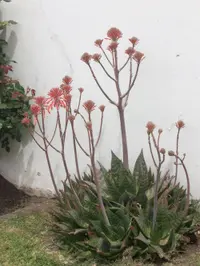
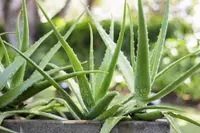
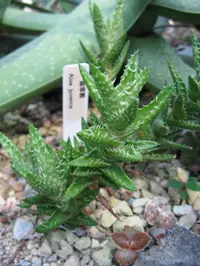
Soap aloe, Aloe maculata, is a compact, clumping succulent known for its spotted, fleshy leaves and showy flower spikes. It stays relatively low and spreads slowly by offsets, forming a small colony over time.
This species is native to southern Africa, where it grows in rocky, sun-exposed habitats. It is valued as a tough ornamental for dry gardens and containers.
The plant tolerates heat, drought, and poor soils, which makes it forgiving for beginners. Understanding how to care for Soap aloe mainly involves providing strong light, good drainage, and avoiding consistently wet soil.

Care Difficulty
Easy Care

Light Preference
Full Sun

Water Requirements
Low Water

Temperature Preference
Warm Climate

Hardiness Zone
9–11

Soil Texture
Sandy, Loamy, Rocky

Soil pH
Slightly acidic (6.5–7.0), Neutral (7.0)

Soil Drainage
Well-drained

Fertilization
Minimal (feed rarely)
Scan your plant to receive care tips personalized for your specific plant
Available on iOS and Android
This succulent thrives in bright light with some protection from harsh extremes.
This drought-tolerant succulent needs infrequent, deep watering in fast-draining soil.
This species prefers warm, dry conditions and does best without prolonged cold or extreme heat.
Humidity is rarely a concern for Aloe maculata, which thrives in dry indoor air around 30–50%.
Aloe maculata prefers a very fast-draining, gritty mix that prevents water from sitting around the roots.
This species is well suited to container growing when drainage and stability are managed carefully.
Aloe maculata benefits from light, infrequent feeding in active growth but tolerates lean soil well.
Aloe maculata needs only light pruning to keep rosettes healthy and tidy.
Container-grown plants benefit from occasional repotting to refresh soil and manage offsets.
Propagation of Aloe maculata is most reliable from offsets that form around the base of mature plants.
This succulent tolerates light frost but needs protection in colder climates or severe freezes.

Plant Health Check
Not sure what's wrong with your plant? Check your plant's health inside the app.
The rosette shape and inward-curved leaves can collect and funnel rainwater toward the plant’s base, helping it survive in seasonally dry habitats in its native Southern African range.
This species shows highly variable leaf spots and banding; plants grown in strong light often develop more pronounced markings and reddish tones, while shade-grown plants may appear greener and less spotted.
Populations growing near the coast tolerate windborne salt spray and poor, sandy soils, which is one reason this species adapts well to coastal landscapes in mild climates outside its native range.

Aloe maculata is considered one of the most widely naturalized aloes worldwide, having escaped cultivation and established self-sustaining populations on multiple continents, often along coastal or disturbed habitats.
Yellowing leaves often result from excess moisture around the roots, poor drainage, or prolonged low light. Check for soggy soil, compacted mix, or a pot without holes, and remove standing water to prevent root decline.
Keep your plants happy and healthy with plant identification, disease detection, and easy care guidance.