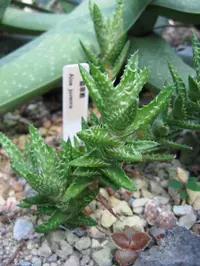
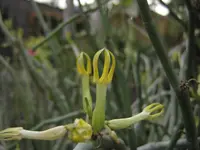
Lion Spoor Care (Euphorbia clavarioides)

Also known as: Cushion Barrelwort, Lionspoor Barrelwort
Lion Spoor

About Lion Spoor

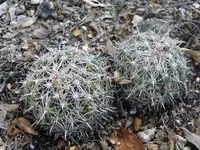
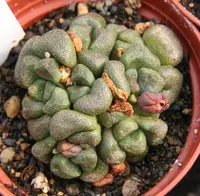
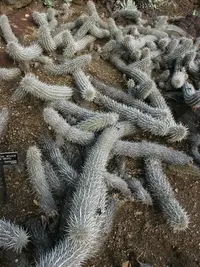
Lion spoor, Euphorbia clavarioides, is a compact succulent from arid regions of South Africa. It forms low, dome-shaped clusters that resemble a rough, stone-like cushion on the soil surface. New growth appears as many short, finger-like stems tightly packed together, giving it a distinctive, sculptural look. This growth habit helps the plant conserve water and cope with intense sun in its native habitat. The plant suits patient growers who prefer slow-growing, long-lived succulents. It dislikes excess moisture and needs very free-draining, gritty soil and bright light. Those who learn how to care for Lion Spoor usually find it reliable and rewarding over time.

Main Plant Requirements

Care Difficulty

Moderate Care

Light Preference

Full Sun

Water Requirements

Low Water

Temperature Preference

Warm Climate

Hardiness Zone

9–11

Soil Texture

Sandy, Loamy, Rocky

Soil pH

Slightly acidic (6.5–7.0), Neutral (7.0)

Soil Drainage

Well-drained

Fertilization

Minimal (feed rarely)

Get Personalized Care Plan

Scan your plant to receive care tips personalized for your specific plant

Available on iOS and Android

How to Care for the Lion Spoor

This compact South African succulent prefers bright, open light similar to its rocky habitat.

  • Provide 6–8 hours of full sun daily, with strong morning sun and some light afternoon shade in very hot, dry climates.
  • Tolerates light partial shade, but dense shade causes elongated, weak growth and dull, uneven coloring in Lion Spoor mounds.
  • In summer, slowly acclimate plants moved from shade to stronger sun to prevent scorching; in winter, remove overhead shade cloths to capture lower-angle sunlight.

This species is highly drought-tolerant and must be kept on the dry side to avoid root rot.

  • Allow the soil to dry thoroughly between waterings; in pots, the top 3–5 cm should be completely dry and the pot feel noticeably lighter.
  • During active growth in spring and early summer, water deeply but infrequently, then let excess drain away through a fast-draining mineral mix.
  • Reduce watering sharply in late fall and winter; wrinkling or slight shrinking signals mild thirst, while yellowing, softness, or splitting bodies indicate excess moisture in Euphorbia clavarioides.

This plant thrives in conditions that mimic high, dry South African grasslands.

  • Aim for 65–80°F (18–27°C) for steady growth, with short peaks up to 90°F (32°C) tolerated if airflow and shade from harsh afternoon sun are provided.
  • Protect from cold; growth slows below 55°F (13°C), and tissue damage often occurs near 32°F (0°C), especially in wet soil.
  • Overwinter in a frost-free site above 40°F (4°C); keep much drier in cool periods to improve cold tolerance and reduce rot risk.

This species is highly adapted to dry air, so humidity management is rarely critical for Lion Spoor indoors.

This dwarf succulent needs a very fast-draining, mineral-rich mix that mimics rocky, sandy habitat.

  • Use a gritty blend such as 50–60% inorganic material (pumice, coarse sand, fine gravel) with 40–50% cactus potting mix.
  • Aim for slightly acidic to neutral pH around 6.0–7.0 for stable nutrient availability and root health.
  • Increase aeration by using only coarse particles and avoiding peat-heavy mixes that compact and hold water too long.
  • Avoid dense, moisture-retentive garden soil or clay-based mixes that cause root rot in Euphorbia clavarioides.

This species is well suited to container culture due to its compact, clumping growth.

  • Choose a wide, shallow pot so the flattened root system can spread without sitting in deep, damp substrate.
  • Use unglazed terracotta if extra evaporation is needed in cooler or lower-light locations to prevent chronic wetness.
  • Add a top dressing of fine gravel to stabilize the plant body, reduce evaporation swings, and keep the stem base dry.

This compact succulent from arid habitats needs only light feeding to stay healthy in cultivation.

  • Use a very dilute balanced liquid fertilizer (around 1/4 strength) or a low-dose cactus fertilizer formulated for succulents.
  • Feed once every 4–6 weeks during the warm active growing season, only when the plant is well hydrated and actively producing new growth.
  • Skip feeding in winter or any clear dormancy period to prevent weak, elongated tissue and root stress.
  • For caring for Lion Spoor in containers, avoid rich compost; use a lean, gritty mix and minimal nutrients to mimic its native soils.

Euphorbia clavarioides needs minimal pruning, focused on hygiene rather than shaping.

  • Best time for any trimming is late spring to early summer, when growth is active and recovery is fastest.
  • Remove only dead, shriveled, diseased, or rotting heads and any obviously damaged tissue to limit infection spread.
  • Use small, sharp, disinfected scissors or a knife, and avoid crushing the dense cushion-like clumps.
  • Pruning has little effect on flowering or size; it mainly improves airflow and reduces the risk of fungal problems.

This species prefers to stay undisturbed and is repotted infrequently to avoid stressing its compact root system.

  • Consider repotting when roots circle the pot, drainage slows despite dry mix, or growth declines without another clear cause.
  • Best timing is in late spring, allowing the plant a full warm season to re-establish in fresh, gritty, fast-draining soil.
  • Repot only every 3–5 years, moving to a slightly larger, shallow pot that supports the broad, cushion-like form.
  • Reduce root stress by handling the root ball gently, keeping as much mix intact as possible, and withholding water for 3–5 days after repotting.

Propagation of Euphorbia clavarioides is possible but slow and often handled by experienced growers.

  • Seed sowing in late spring is the most common method; use a sterile, very gritty mix and surface-sow fine seed.
  • Maintain bright, indirect light, warm temperatures around 70–77°F, and steady but light moisture until germination.
  • Occasional division of well-established clumps is possible; separate offsets with minimal root disturbance and allow wounds to dry before potting.
  • Provide strong air circulation and careful watering after any propagation step to reduce rot and improve survival rates.

This compact succulent dislikes prolonged freezing and benefits from thoughtful winter handling, especially in containers.

  • In regions with frost, grow in pots and move indoors or into a cool, bright greenhouse before temperatures fall below 35°F.
  • Keep nearly dry in winter, watering just enough to prevent severe shriveling to reduce rot risk in cold conditions.
  • If grown outdoors in mild climates, place in a sharply drained, raised, gravelly bed and avoid heavy winter rain on the crown.

Care Tips

Shallow dish planting

Use a wide, shallow clay dish so the flat, clumping body can spread and dry quickly, and leave at least 2–3 cm between the plant and pot rim to reduce crown rot from trapped moisture.

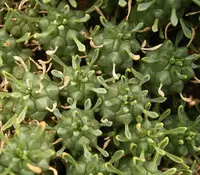
Top-dress with grit

After potting, cover the soil surface with a 0.5–1 cm layer of coarse mineral grit or pumice to keep the crown dry, stabilize the plant, and reduce algae or fungus growth on the surface.

Dormancy water cutback

In the coolest, darkest part of winter, reduce watering to only light sips every 4–6 weeks to respect its natural rest period and prevent root loss in this slow-growing species.

Careful offset division

If offsets form and you want to divide them, use a sterile, very sharp knife, allow cut surfaces to callus for 5–7 days in a dry, shaded spot, then replant in fresh mineral substrate to minimize infection risk.

Safe handling protocol

Always handle the plant with thick gloves, avoid breaking the stems, and keep pets and children away from the milky sap, since Euphorbia latex is irritating and can cause skin and eye problems when caring for Lion Spoor.

Common Pests and Diseases

Mealybugs

This pest often hides in stem crevices and between the clustered heads, sucking sap and causing yellowing, distortion, and slow decline. Symptoms include cottony white tufts lodged in tight spaces of the plant body or at the base of the tubercles.

Solution

Isolate the plant, then remove visible insects with a cotton swab dipped in 70% isopropyl alcohol, taking care to reach gaps between heads. Improve light and airflow, reduce excess fertilization, and repeat spot treatments weekly; for heavy infestations, use a systemic insecticide labeled for ornamental succulents and follow all label directions.

Spider mites

These insects thrive in hot, very dry conditions and can cause a dull, stippled surface and fine webbing on the fleshy heads. Symptoms include slowed growth, a rough or dusty look, and tiny moving dots on close inspection.

Solution

Rinse the plant gently with a firm stream of water to dislodge mites, keeping the soil relatively dry, then increase humidity slightly around but not directly on the plant and improve air movement. For persistent issues, apply a targeted miticide or insecticidal soap to the above-ground parts, repeating treatments as directed until new growth appears clean.

Scale insects

This pest appears as small, hard, dome-shaped bumps on stems and at the plant base, feeding on sap and excreting sticky honeydew. Symptoms include weak growth and sometimes sooty mold developing on the sticky surfaces.

Solution

Manually remove scales with a soft brush or cotton swab dipped in 70% isopropyl alcohol, focusing on ridges and junctions between heads. After cleaning, apply a systemic insecticide suitable for succulents if the infestation is moderate to heavy, and keep the plant in bright, dry conditions to support recovery.

Fungal stem rot

This disease can develop when the plant is kept in poorly drained soil or exposed to prolonged moisture, leading to soft, discolored patches on the dome-like heads. Symptoms include tissue that becomes mushy, brown to black, and may collapse in sections.

Solution

At the first sign of soft tissue, cut away affected parts with a sterile blade, leaving only firm, healthy material, and allow cut surfaces to dry and callus in a warm, airy spot. Repot into fresh, very fast-draining mineral mix, reduce watering to short, infrequent soakings, and maintain strong light to support healthy regrowth.

Sun scorch

Symptoms include bleached, tan, or rough patches on the exposed upper surface of the plant when it is moved too quickly from lower light to intense sun. This stress can permanently scar the compact heads and slow growth.

Solution

Move the plant gradually into stronger light over 1–2 weeks, using shade cloth or a sheer curtain to soften midday sun. Remove only severely damaged tissue if it becomes dry and sunken, and then maintain stable bright light and careful watering as part of general Euphorbia clavarioides plant care.

Interesting Facts

Dwarf cushion growth

This species forms a low, flattened cushion of many fused stems that sit almost level with the soil, an adaptation that helps reduce water loss and heat stress in its exposed South African habitats.

Non-cactus succulent

Although it looks like a small cactus, it belongs to the Euphorbia genus and produces a toxic milky latex typical of spurges, not the clear sap and areoles associated with true cacti.

Seasonal leaf strategy

It produces only tiny, short-lived leaves during favorable seasons, relying mainly on its thick, photosynthetic stems to carry out most of its energy production over the year.

Botan icon

Did you know?

In extremely rocky grassland, this species often grows partially buried among stones, where its camouflaged, rock-like surface reduces herbivore grazing and blends it into the surrounding substrate so effectively that it can be hard to spot even at close range.

FAQs about Lion Spoor

Flowering is often reduced by low light, excess water in winter, or recent repotting. Slightly cooler, bright, dry winter conditions and a short dry rest usually help trigger buds. Avoid heavy feeding or frequent disturbance before bloom.

Grow Healthy Plants with Botan Care

Keep your plants happy and healthy with plant identification, disease detection, and easy care guidance.

Botan plant care app — identify plants on mobile

Explore More Plants