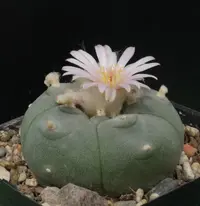
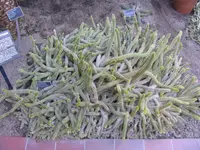
Pot for stability
Use a wide, shallow, heavy pot with a drainage hole so the relatively top-heavy stem remains stable and less likely to topple or be damaged during handling.

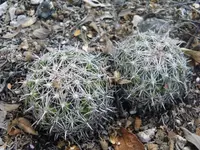
Coryphantha delicata is a small, globular cactus native to arid regions of northern Mexico. It forms a single rounded stem covered in neat, tubercled ribs with short spines. In suitable conditions it produces showy, funnel-shaped flowers at the top of the plant, often in soft yellow or cream tones. Growth is generally slow, which suits windowsill or compact collection displays. This species prefers bright light, low humidity, and fast-draining, mineral-rich soil that dries thoroughly between waterings. Its drought tolerance and modest size make it manageable for beginners who want to learn how to care for Coryphantha delicata without complex routines.

Care Difficulty
Moderate Care

Light Preference
Full Sun

Water Requirements
Low Water

Temperature Preference
Warm Climate

Hardiness Zone
9–11

Soil Texture
Sandy, Rocky, Loamy

Soil pH
Slightly acidic (6.5–7.0), Neutral (7.0)

Soil Drainage
Well-drained

Fertilization
Minimal (feed rarely)
Scan your plant to receive care tips personalized for your specific plant
Available on iOS and Android
This small desert cactus thrives in strong light but needs gradual acclimation to intense sun.
This species stores water in its stem and needs infrequent but thorough watering.
This cactus prefers warm, dry conditions with a distinct cool, dry rest in winter.
This cactus prefers dry air and usually thrives in 20–40% humidity.
Provide a very fast-draining, mineral-based mix to prevent root rot.
This species is well suited to container growing when drainage and depth are managed carefully.
This small desert cactus needs only light feeding to stay healthy in containers.
This cactus needs minimal pruning, focused on health rather than shaping.
This compact cactus grows slowly and only needs infrequent repotting in containers.
New plants are usually raised from seed, as this cactus seldom produces offsets.
This cactus benefits from a cool, very dry winter rest to stay compact and healthy.

Plant Health Check
Not sure what's wrong with your plant? Check your plant's health inside the app.
This species is native to arid regions of northeastern Mexico, where it occurs in scattered, localized populations on rocky slopes and limestone outcrops rather than broad desert plains.
The plant forms a small, rounded stem with strongly tuberculate ribs and a characteristic star-like arrangement of pale, needle-like spines at each tubercle, which helps distinguish it from closely related Coryphantha species.
It produces relatively small, pale yellow to cream flowers at the stem apex in summer, a timing that aligns with seasonal rainfall pulses in its native habitat.
This species grows slowly, often adding only a few millimeters in diameter each year. Expect several years to reach a modest clump. Limited root volume, cool temperatures, and low light can all slow growth further.
Keep your plants happy and healthy with plant identification, disease detection, and easy care guidance.