Pad orientation
When planting, orient the pad so its broad side faces the strongest sun and prevailing wind to reduce twisting and snapping as new segments form.

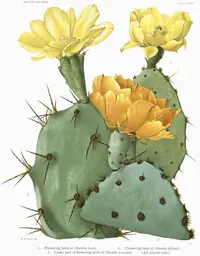
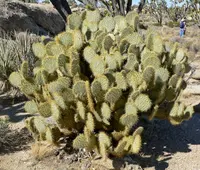
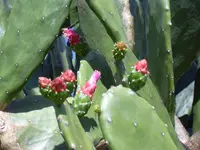
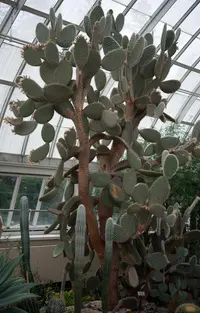
Chenille pricklypear (Opuntia aciculata) is a clump-forming cactus known for its flat, elongated pads and long, hair-like spines that create a fuzzy look. Mature plants may develop bright orange to red flowers, adding strong seasonal color in dry gardens.
This species is native to arid regions of Texas and northern Mexico, where it grows in rocky, well-drained soils and full sun. It is drought-tolerant and generally low-maintenance once established, but the fine spines detach easily and require careful handling.
For those who want to care for chenille pricklypear successfully, provide strong light, lean gritty soil, and infrequent but deep watering, allowing the soil to dry between waterings.

Care Difficulty
Easy Care

Light Preference
Full Sun

Water Requirements
Low Water

Temperature Preference
Warm Climate

Hardiness Zone
8–11

Soil Texture
Sandy, Loamy, Rocky

Soil pH
Slightly acidic (6.5–7.0), Slightly alkaline (7.0–7.5)

Soil Drainage
Well-drained

Fertilization
Minimal (feed rarely)
Scan your plant to receive care tips personalized for your specific plant
Available on iOS and Android
This cactus thrives in strong sun but benefits from gradual exposure in harsher climates.
This desert cactus requires infrequent but deep watering with excellent drainage.
This species prefers warm, dry conditions and has good heat tolerance but limited cold tolerance.
Humidity is rarely a concern for Opuntia aciculata, which thrives in dry air around 20–40%.
Opuntia aciculata prefers very fast-draining, gritty soil that dries quickly between waterings.
This species is well suited to container growing when the pot and substrate control excess moisture effectively.
This drought-adapted cactus needs only light feeding for steady growth; overfertilizing harms chenille pricklypear more than it helps.
Pruning Opuntia aciculata is mainly corrective, aimed at safety, plant health, and controlling spread.
This species is more often transplanted outdoors than repotted, but container plants still outgrow their space over time.
This cactus is commonly propagated from stem pads, which root reliably under warm, dry conditions.
This cactus has some cold tolerance but benefits from thoughtful winter management, especially in containers or wet climates.

Plant Health Check
Not sure what's wrong with your plant? Check your plant's health inside the app.
This species is known for its dense clusters of fine, hairlike spines that create a fuzzy, chenille-like look, which is why it is commonly called chenille pricklypear.
It occurs naturally in a limited range in south Texas and adjacent northern Mexico, where it grows in dry, rocky habitats and open shrublands rather than broad desert sands.
In its native range, the fleshy fruits and sometimes the young pads are eaten by wildlife such as birds and small mammals, which also help disperse its seeds across the landscape.

This species is considered a characteristic component of some Tamaulipan thornscrub communities, meaning its presence helps botanists recognize and classify this specific semi-arid ecosystem type in south Texas and northern Mexico.
This species needs several years of maturity, strong sun, and a marked warm season to flower well. Lack of blooms often relates to youth, insufficient light, or cool conditions, rather than fertilizer or pruning issues.
Keep your plants happy and healthy with plant identification, disease detection, and easy care guidance.