dollarjoint pricklypear Care (Opuntia chlorotica)

Also known as: Pancake Pricklypear, clockface prickly-pear, Flapjack Pricklypear
dollarjoint pricklypear

About dollarjoint pricklypear

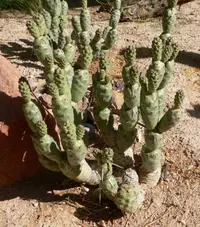
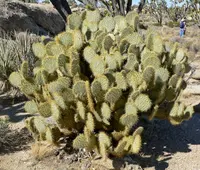
Dollarjoint pricklypear, Opuntia chlorotica, is a shrubby cactus native to the deserts of the southwestern United States and northern Mexico. It typically forms clumps of rounded, blue-green pads that create a dense, sculptural shape in dry landscapes.

This species thrives in full sun, high heat, and very well-drained, sandy or rocky soils. It is drought-tolerant and slow to moderate in growth, which makes it relatively low-maintenance once established.

Thick pads store water, so overwatering is a bigger risk than underwatering. Those learning how to care for dollarjoint pricklypear mainly need to manage sharp spines and avoid overly rich or wet soil.

Main Plant Requirements

Care Difficulty

Easy Care

Light Preference

Full Sun

Water Requirements

Low Water

Temperature Preference

Warm Climate

Hardiness Zone

8–11

Soil Texture

Sandy, Loamy, Rocky

Soil pH

Slightly acidic (6.5–7.0), Slightly alkaline (7.0–7.5)

Soil Drainage

Well-drained

Fertilization

Minimal (feed rarely)

Get Personalized Care Plan

Scan your plant to receive care tips personalized for your specific plant

Available on iOS and Android

How to Care for the dollarjoint pricklypear

This desert cactus thrives in strong, direct sun once properly acclimated.

  • Provide 6–10 hours of direct sunlight daily; full sun is best in open, arid landscapes for dollarjoint pricklypear.
  • Allow young or recently transplanted plants 2–4 weeks in bright morning sun with light afternoon shade to prevent pad scorch.
  • In cooler seasons, full sun all day is usually safe; in very hot summers, protection from low, west-facing afternoon sun reduces stress and sunburn risk.

This species is highly drought-tolerant and prefers infrequent, deep watering.

  • Water only when the top 5–8 cm of soil are completely dry; in hot, dry periods this may mean every 2–4 weeks, less often in cool seasons.
  • Use fast-draining, sandy or gravelly soil so water exits quickly; standing water around the roots leads to rot and mushy, yellowing pads.
  • Signs of underwatering include slightly shriveled, flattened pads; signs of overwatering include soft, discolored tissue and black or brown spots on Opuntia chlorotica pads.

This desert cactus handles heat well but needs protection from severe cold.

  • Optimal growth occurs around 70–90°F (21–32°C) with warm days and cooler, dry nights typical of arid regions.
  • Mature plants can tolerate brief drops to about 15–20°F (-9 to -6°C) if soil is very dry, but repeated hard freezes increase pad and root damage risk.
  • In intense heat above 100°F (38°C), good air movement and dry soil help prevent stress, while sudden frosts can scar pads even if the plant survives.

This cactus thrives in dry air and does not need elevated humidity.

  • Target 20–40% humidity; typical indoor levels are acceptable year-round.
  • It tolerates very dry air, but prolonged high humidity above 60% increases rot risk at the pads and roots.
  • Symptoms of humidity stress include soft, water-soaked pads and blackened areoles; increase airflow and keep foliage dry rather than adding humidity.

Use a very fast-draining, mineral-rich mix that mimics desert soil.

  • Choose a gritty, sandy mix with little organic matter, such as 50–70% mineral components and 30–50% cactus potting mix.
  • Aim for neutral to slightly alkaline pH (about 6.5–8.0), which suits Opuntia chlorotica in cultivation.
  • Combine coarse sand, pumice or perlite, and small gravel to improve aeration and prevent water from lingering around the roots.
  • Avoid heavy, peat-heavy, or clayey substrates that stay wet, as these quickly lead to root and pad rot.

This species adapts well to container growing when the pot is chosen for drainage and stability.

  • Select a wide, low pot that counters the top-heavy, spreading pads and reduces tipping in wind or accidental bumps.
  • Use a gritty mix filled only to leave the root zone slightly elevated, so water drains away from the pad base contact point.
  • Choose unglazed clay over plastic if possible, since porous walls speed evaporation and reduce the risk of chronic moisture around the roots.

Opuntia chlorotica needs only light feeding in containers; in the ground, it often manages with minimal fertilizer.

  • Use a diluted balanced liquid fertilizer (around 10-10-10) at 1/4–1/2 strength for potted dollarjoint pricklypear during active growth.
  • Feed every 4–6 weeks in spring and early summer, then stop by late summer.
  • Avoid high-nitrogen products that promote weak, lush pads instead of sturdy growth.
  • Do not fertilize in winter dormancy, especially for outdoor plants in cool climates.

Opuntia chlorotica needs limited pruning, mainly for safety, health, and shape control.

  • Best time is late winter to early spring, before strong new growth begins.
  • Remove dead, diseased, storm-damaged, or crossing pads to improve airflow and reduce rot risk.
  • Thin overly crowded pads to control spread and maintain a stable, uncluttered structure.
  • Use long-handled pruners and thick gloves, cutting pads at joints and allowing wounds to dry naturally.

Container-grown plants and young transplants benefit from careful, infrequent moves to avoid root damage.

  • Look for roots circling the pot drainage holes, soil drying extremely fast, or noticeably slowed growth as signs it is time.
  • Plan repotting or transplanting in late spring to early summer, when soil is warm and growth is active.
  • For pots, shift up only 1 size every 3–5 years, using a very fast-draining cactus mix and handling pads with tongs or folded newspaper.
  • Minimize root disturbance, keep roots dry for 1–2 days after moving, then water lightly once, allowing soil to dry fully between later waterings.

New Opuntia chlorotica plants are most often produced from pad cuttings, with seed used for larger restoration projects.

  • Take healthy, mature pads in late spring or early summer, cutting cleanly at the joint with a sterile knife.
  • Let pads callus in a dry, shaded place for 7–14 days until the cut surface is dry and corky.
  • Set pads upright or slightly buried in a gritty, barely moist cactus mix at 70–80°F with bright, indirect light.
  • For seed, sow in shallow trays of sandy mix, keep just slightly moist, and expect slow, uneven germination.

Established Opuntia chlorotica is fairly cold hardy and often needs little winter intervention in dry, mild climates.

  • Mature plants tolerate light freezes and brief dips near 10–15°F if soil is very well drained.
  • Apply a 5–8 cm layer of coarse gravel or mineral mulch around the root zone, avoiding contact with pads.
  • Keep soil on the dry side in winter to reduce pad damage and root rot risk.
  • For container plants in wet or very cold regions, move under cover or indoors to an unheated, bright, frost-free spot.

Care Tips

Use gritty topdress

Add a 1–2 cm layer of coarse gravel, pumice, or decomposed granite on the soil surface to keep pads dry at the base, reduce rot risk, and discourage fungus gnats in containers.

Pad handling safety

When moving or repotting, handle pads with folded newspaper, tongs, or thick closed-cell foam instead of gloves alone, which helps prevent the tiny glochids from penetrating fabric and skin.

Stabilize young plants

For newly planted or top-heavy specimens, use 2–3 short, loose ties to a sturdy stake for the first growing season to prevent wind rock that can damage new roots at the pad joints.

Cold rain protection

In regions with cold winter rain, place container plants under an eave or temporary clear cover so pads stay mostly dry while still receiving high light, which greatly reduces cold-related rot.

Controlled pad propagation

To expand a planting, remove a healthy, mature pad at the joint with a clean cut, let the cut end callus in a dry, shaded spot for 7–14 days, then plant it upright just 2–3 cm deep in a fast-draining mix for reliable new starts when growing dollarjoint pricklypear.

Common Pests and Diseases

Cochineal scale

This pest forms white, cottony masses on pads and feeds on plant sap, causing yellowing, pad weakening, and sometimes sooty mold on the honeydew they excrete.

Solution

Prune and discard heavily infested pads, then spray remaining pads with a strong jet of water to dislodge insects. Follow with applications of insecticidal soap or horticultural oil labeled for cacti, repeating every 7–10 days until pads stay clean; reduce overhead watering and keep plants in high light to discourage reinfestation.

Cactus longhorn beetle

This pest bores into pads and stems, causing oozing wounds, collapsed segments, and internal tunneling that can kill sections of the plant.

Solution

Inspect plants regularly for entry holes and chew marks at night or early morning and hand-pick adult beetles where practical. Remove and destroy infested pads to eliminate larvae inside, and avoid leaving cut or damaged tissue on the ground, since it attracts egg‑laying adults when growing dollarjoint pricklypear outdoors.

Opuntia mealybug

These insects appear as small white cottony clusters in pad joints and on roots, sucking sap and leading to stunted growth, yellowing, and general decline.

Solution

Isolate affected plants, then dab visible mealybugs with cotton swabs dipped in 70% isopropyl alcohol and rinse pads after a few minutes. Treat remaining insects with repeated applications of insecticidal soap, and for potted plants consider repotting into fresh, well‑drained mix after gently washing roots to remove root mealybugs.

Phyllosticta pad spot

This disease causes small, sunken, brown to black spots on pads that may enlarge and coalesce, leaving dry, scabbed areas and weakening affected segments.

Solution

Cut off and discard infected pads, sterilizing tools between cuts with alcohol to avoid spreading spores. Improve air circulation, keep pads dry (no overhead watering), and if the problem persists in outdoor plantings, apply a copper‑based fungicide labeled for cacti at the start of warm, wet periods.

Soft bacterial rot

Symptoms include water-soaked, foul-smelling areas on pads that quickly become soft and collapse, often starting from a wound or insect damage site.

Solution

Immediately cut out all affected tissue well into healthy, firm pad tissue, and dispose of infected material in the trash. Allow wounds to dry and callus in a warm, dry, well‑ventilated location, reduce watering, and protect plants from mechanical injury and prolonged moisture on the pads to limit new infections.

Interesting Facts

Blue-green pad color

The pads of this species have a distinctive blue-green to gray-green surface caused by a waxy coating that reflects intense desert sunlight and reduces water loss.

Arizona upland specialist

This cactus is especially characteristic of the Arizona Upland subdivision of the Sonoran Desert, where it often grows on rocky slopes and bajadas alongside saguaros and palo verdes.

Key wildlife resource

Its fruits and seeds are an important food for desert birds and small mammals, and the dense, spiny pads provide protective nesting sites for species such as cactus wrens and curve-billed thrashers.

Botan icon

Did you know?

This species can form large, multi-stemmed clonal clusters that persist for many decades, with new pads continuously replacing older ones so that the individual living clone may be far older than any single pad on the plant.

FAQs about dollarjoint pricklypear

Lack of blooms usually comes from insufficient light, plants that are still immature, or overly rich, frequently watered soil. This desert cactus needs strong sun, cool but frost-free winters, and lean, well-drained conditions to set flower buds.

Grow Healthy Plants with Botan Care

Keep your plants happy and healthy with plant identification, disease detection, and easy care guidance.

Botan plant care app — identify plants on mobile

Explore More Plants