Semifree Morel Care (Morchella semilibera)

Also known as: Mel-3
Semifree Morel

About Semifree Morel

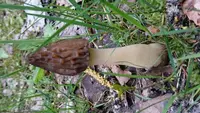
The semifree morel, Morchella semilibera, is a spring-fruiting fungus, not a leafy plant. It produces small, honeycombed caps that hang partly free from a pale stem. The cap attaches about halfway down the stalk, giving it a distinctive “semifree” look.

This species is typically found in temperate woodlands, hedgerows, and forest edges, often near deciduous trees such as ash or elm. It is more delicate and less robust than some larger morel species, which can make it a bit more challenging to cultivate.

Those who want to learn how to care for Semifree Morel should know it prefers cool, moist, well-drained, humus-rich soils and a sheltered, lightly shaded position.

Main Plant Requirements

Care Difficulty

Hard Care

Light Preference

Partial Shade

Water Requirements

Keep Soil Moist

Temperature Preference

Cool Climate

Hardiness Zone

4–8

Soil Texture

Loamy, Silty, Organic-rich

Soil pH

Acidic (5.5–6.5), Slightly acidic (6.5–7.0)

Soil Drainage

Moist but well-drained

Fertilization

Minimal (feed rarely)

Get Personalized Care Plan

Scan your plant to receive care tips personalized for your specific plant

Available on iOS and Android

How to Care for the Semifree Morel

This woodland fungus prefers cool, filtered light that mimics a deciduous forest floor.

  • Provide dappled or light shade with 1–3 hours of weak morning sun and no harsh afternoon sun, ideally under leafed-out trees or shrubs.
  • Site Morchella semilibera where taller plants cast shifting shade; consistent full sun dries the substrate, reducing mushroom formation and mycelium vigor.
  • In early spring, brief exposure to cooler sun is tolerated, but as temperatures rise, maintain stronger overhead shade to prevent overheating of the fruiting zone.

Moist, well-drained soil is essential for stable Morchella semilibera mycelium and reliable fruiting.

  • Keep the upper 2–5 cm of soil evenly moist but never saturated; aim for a sponge-like feel that springs back when lightly pressed.
  • Use a loose, well-drained mix with leaf litter or wood chips; after soaking rains, ensure excess water can drain away to prevent standing water and anaerobic (oxygen-poor) conditions.
  • During dry spells, mist or gently water when the surface starts to lighten in color or feel dry, avoiding strong jets that disturb the substrate.

This species fruits best in cool to mild conditions typical of early to mid spring in temperate regions.

  • Target 50–60°F (10–16°C) for active fruiting, as warmer conditions often shorten the season and dry the substrate too quickly.
  • The mycelium in the soil can survive short dips near 32°F (0°C), but repeated hard freezes below this can damage shallow colonized layers.
  • Once daytime highs consistently exceed 70–75°F (21–24°C), expect fruiting to decline; partial shade and moist soil help buffer short warm spells.

This fungus needs consistently moist, humid air during fruiting to form healthy morels.

  • Aim for 70–90% humidity around developing caps and stems, especially in protected beds or tunnels.
  • Dry air causes shriveling, cracked caps, and stalled growth even if the substrate stays damp.
  • Raise humidity with fine misting of the surrounding area, damp burlap over the bed, or placing trays of water nearby without soaking the substrate.

Morchella semilibera develops best in loose, moist, organic-rich soil that mimics a forest floor.

  • Use a deep loamy mix based on leaf mold or composted hardwood chips blended with native garden soil for structure.
  • Ensure free drainage by incorporating coarse sand or fine gravel so water moves through yet the upper 5–10 cm stay evenly damp.
  • Maintain slightly acidic to neutral conditions, roughly pH 6.0–7.0, avoiding liming unless soil is strongly acidic.
  • Avoid compacted clay, heavy peat-only mixes, or constantly saturated ground, which limit aeration and increase rot risk for the underground mycelium.

This species is not well suited to long-term container growing because the mycelium prefers broad, natural soil contact and stable moisture profiles.

This woodland fungus usually relies on natural soil nutrients, so added fertilizer is rarely necessary for caring for Semifree Morel.

Pruning is not part of normal Morchella semilibera care, since the organism lives mainly as hidden mycelium in the soil.

Morchella semilibera is seldom grown in pots; focus on careful transplanting of inoculated substrate rather than true repotting.

  • Transplant only when mycelium has fully colonized its substrate and growth slows or becomes patchy.
  • Choose early spring or fall, matching the original site’s shade, soil type, and moisture as closely as possible.
  • Move intact substrate blocks with minimal disturbance, handling gently to avoid tearing the mycelium network.
  • Water lightly after transplanting and keep the new site evenly moist, not waterlogged, to limit stress.

Propagation is specialized and usually attempted only by experienced growers, as Morchella semilibera has complex life cycle requirements.

This species is naturally cold hardy in temperate climates and usually needs no special winter care outdoors.

Care Tips

Use host trees

Establish beds near compatible deciduous trees such as ash, elm, or apple, since this fungus often associates with tree roots and decaying roots, which can significantly improve your chances of fruiting.

Controlled burn mimic

Before spawning an outdoor bed, remove surface organic matter and lightly scorch or pasteurize the top 2–3 cm of soil or substrate with boiling water to mimic post-fire conditions and reduce competing fungi.

Staggered substrate layering

When building an outdoor patch, alternate thin layers of hardwood chips, well-rotted leaf litter, and native soil, finishing with a 1–2 cm soil cap to encourage even colonization and stable moisture around the mycelium.

Seasonal moisture shield

In late winter and early spring, cover inoculated beds with a breathable layer of coarse leaf litter or shade cloth to buffer against rapid thaw–freeze cycles that can damage developing primordia, then gradually remove it as nights stay above freezing.

Gentle harvest method

When picking, cut the stem at ground level with a clean knife instead of pulling the whole structure out, which leaves the subterranean mycelium intact and supports long-term productivity when growing Semifree Morel.

Common Pests and Diseases

Fungal competition

This disease refers to aggressive colonization of the substrate by other saprophytic fungi that outcompete the morel mycelium. Symptoms include poor or no morel fruiting and visible growth of dense white, gray, green, or black molds in the bed or trays.

Solution

Remove and discard heavily colonized substrate sections and any foreign mushroom fruiting bodies, then refresh with clean, pasteurized organic material. For better Morchella semilibera care instructions, start new beds or trays with well-pasteurized or freshly composted hardwood material, maintain moderate moisture (not soggy), and avoid adding unpasteurized kitchen scraps or contaminated soil that can introduce competing fungi.

Bacterial blotch

This disease causes water-soaked, slimy, or brown patches on the caps and stems, often developing where water stands on the fruiting bodies. Symptoms include soft, collapsing tissue and an unpleasant odor in badly affected mushrooms.

Solution

Harvest and discard affected morels promptly and do not eat them, then improve air movement and reduce overhead watering to keep surfaces only slightly moist, not wet. Use clean tools and water, avoid splashing soil onto the fruiting bodies, and maintain good drainage in outdoor beds or trays.

Springtail feeding

These insects are tiny, soil-dwelling arthropods that can chew on tender morel tissue, especially in very damp substrates rich in organic matter. This pest may cause small pits or scars on stems and caps, and heavy populations can distort young fruiting bodies.

Solution

Reduce excessive moisture and improve drainage in beds or trays, since springtails thrive in constantly wet conditions. Remove heavily infested substrate layers, introduce coarser material such as sand or fine gravel to break up soggy zones, and encourage surface drying between waterings while keeping the deeper layer slightly moist.

Slug and snail damage

These pests feed on the soft, fleshy caps and stems, especially in shaded, moist outdoor beds. Symptoms include irregular holes, shredded tissue, and slime trails around or on the fruiting bodies.

Solution

Hand-pick slugs and snails in the evening or early morning, and use physical barriers such as copper tape, rough gravel rings, or traps with boards or upturned pots that can be checked and cleared regularly. Reduce dense groundcover and keep the immediate area around the morel patch free of thick mulch layers that provide hiding places.

Mite infestation

These insects are microscopic or very small arthropods that can build up in morel cultivation trays or beds with rich organic substrates. This pest may lead to scarring, stunted or misshapen fruiting bodies, and visible fine movement on or around the mushrooms when populations are high.

Solution

Discard and replace badly infested substrate and any deformed or heavily damaged morels, then restart with pasteurized or well-composted material and clean containers. Keep humidity high but not saturated, avoid overfeeding with high-nutrient supplements, and if needed introduce predatory mites from reputable suppliers to reduce pest mite numbers in controlled setups.

Interesting Facts

Distinctive half-free cap

This species has a cap that is attached about halfway down the stem, leaving the lower cap edge free, which clearly separates it from true morels with fully attached caps.

Early spring fruiting

Fruiting bodies typically appear very early in spring, often before many plants leaf out, taking advantage of cool, moist conditions and increased light on the forest floor.

Association with hardwoods

It is most often found under ash, elm, and other deciduous trees on calcareous or neutral soils, reflecting a preference for specific tree partners and soil chemistry.

Botan icon

Did you know?

Genetic and morphological studies have shown that material long referred to as Morchella semilibera in Europe actually represents several closely related species, so the true Morchella semilibera in the strict sense is now understood to have a more limited native range than once thought.

FAQs about Semifree Morel

This wild morel is considered edible, but only when correctly identified, thoroughly cooked, and harvested from unpolluted areas. Raw or undercooked fruiting bodies can cause digestive upset. Beginners should consult local experts or field guides before consuming any wild mushrooms.

Grow Healthy Plants with Botan Care

Keep your plants happy and healthy with plant identification, disease detection, and easy care guidance.

Botan plant care app — identify plants on mobile

Explore More Plants